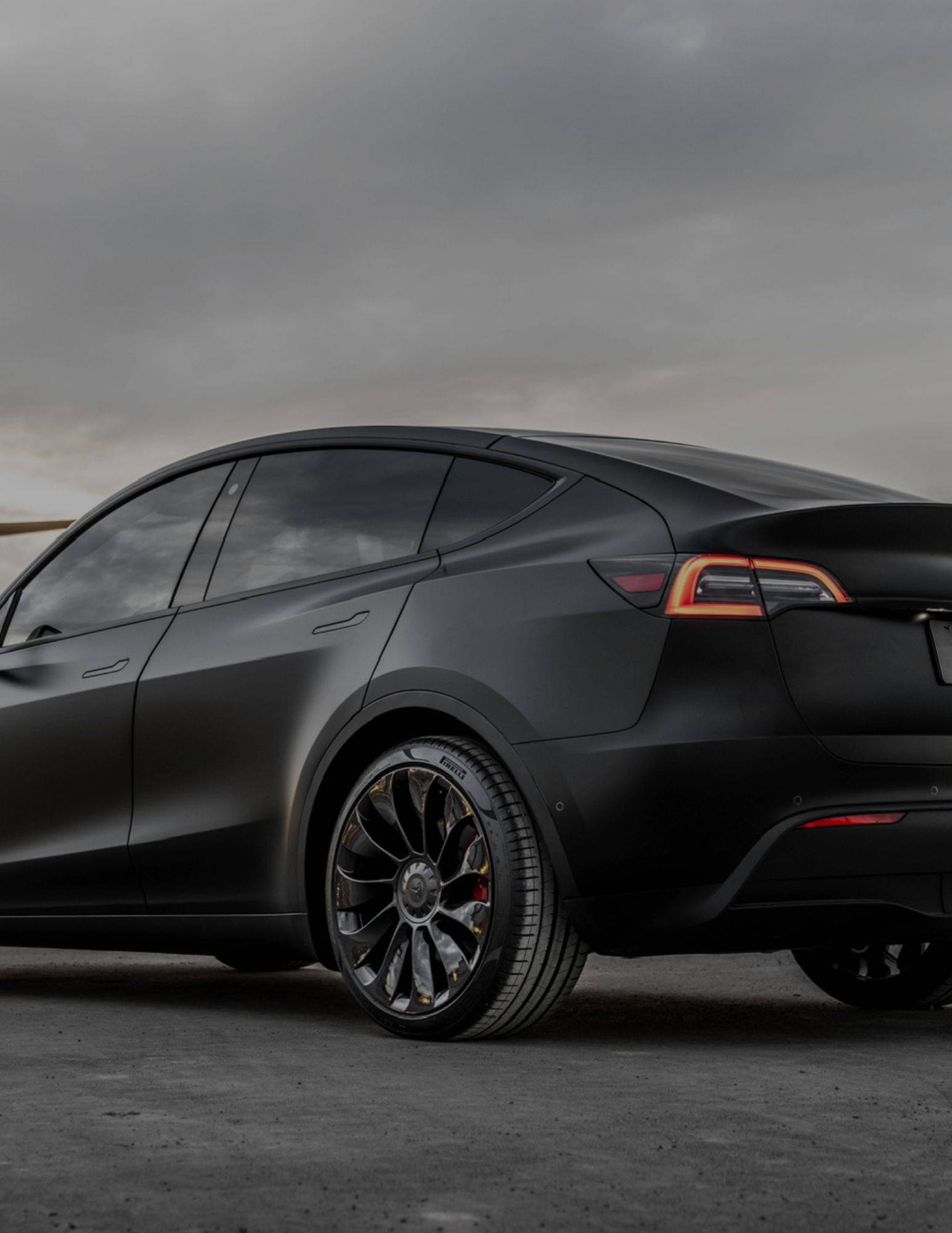
Window Tinting in Derry & Ligonier, PA gives local drivers a way to reduce cabin heat, cut glare, block UV rays, add privacy, and change the appearance of their vehicle. Choosing the right film takes more than picking a dark shade. Film construction, visible light transmission, infrared rejection, factory glass, vehicle type, and Pennsylvania tint rules all affect the finished result.
Ceramic Pro Indiana County installs Ceramic Pro window films for drivers from Derry, PA, Ligonier, PA, and nearby western Pennsylvania communities. Our Ceramic Pro Elite Dealer shop is located at 7515 US-119 S in Josephine, PA.
Drivers can choose from carbon and ceramic films with different levels of heat rejection and visible light transmission. Someone who wants a darker appearance may choose differently from a driver who wants high heat rejection while keeping the glass relatively light.
This guide covers Window Tinting in Derry & Ligonier, PA, Ceramic Pro film choices, Pennsylvania VLT rules, heat rejection, UV protection, trucks and SUVs, Tesla tint, and what to think about before scheduling installation.
Drivers usually start researching Window Tinting in Derry & Ligonier, PA because they want to solve one or more everyday problems inside their vehicle.
Sunlight passing through automotive glass can heat seats, dashboards, steering wheels, consoles, and interior trim. Bright sunlight can also create glare while driving.
Window film can help with:
Ceramic Pro Indiana County’s Window Tint service includes carbon and ceramic films designed for different levels of solar control.
The film you choose should match what bothers you most.
If cabin heat is the concern, pay close attention to infrared rejection.
If appearance matters more, shade and color may carry more weight.
If you want heat control without making the windows look very dark, lighter ceramic films deserve a closer look.
Window tint changes more than the appearance of automotive glass.
Ceramic Pro’s current film information lists high UV rejection across several film lines. Ceramic IR is listed at more than 99% UVA and UVB rejection, while Ultimate IR is listed at 99.9%.
UV reduction can help reduce exposure reaching passengers and interior materials.
Window film can also reduce visible glare.
The amount of glare reduction depends partly on VLT. A darker film allows less visible light through than a lighter film.
Heat control works differently.
Infrared radiation and visible light are not the same thing. This is why a lighter ceramic film may provide strong heat control without having the appearance of very dark tint.
For Window Tinting in Derry & Ligonier, PA, it helps to decide whether you care most about heat, glare, appearance, privacy, or a mix of those goals.
VLT stands for visible light transmission.
It tells you how much visible light passes through a window.
A higher percentage means more light passes through.
A lower percentage creates darker-looking glass.
A simple comparison looks like this:
| VLT | General Appearance |
|---|---|
| 80% | Nearly clear |
| 70% | Very light |
| 50% | Light |
| 35% | Medium |
| 20% | Dark |
| 5% | Very dark |
These appearance descriptions are only a rough guide.
Interior color, factory glass, weather, and lighting can change how dark film looks from outside.
The real question is how VLT affects the finished window.
Pennsylvania uses total light transmittance, not just the percentage printed on the film.
Factory glass already reduces some visible light. Adding film lowers the finished reading further.
That means a film marked 70% does not guarantee that the finished glass will meter at 70%.
This distinction matters when selecting Window Tinting in Derry & Ligonier, PA.
Ceramic Pro Indiana County installs both carbon and ceramic films.
Both film types can provide UV protection, glare reduction, heat control, and a darker appearance.
The construction differs.
Carbon films use carbon-based particles.
Ceramic films use ceramic materials designed to control solar energy without using metal.
Ceramic Pro’s current films are non-metallic, which means they are designed to work without disrupting GPS, Bluetooth, mobile-phone, radio, or satellite signals.
Let’s break it down.
Ceramic Pro Carbon X Window Tint is a nano-carbon film available through Ceramic Pro Indiana County.
The current local product page lists Carbon X as:
Carbon X can fit a driver who wants a dark, color-stable appearance along with heat and UV control.
Its metal-free construction also means modern vehicle electronics can continue communicating through the glass.
For Window Tinting in Derry & Ligonier, PA, Carbon X gives drivers a carbon-film choice before moving into ceramic film lines.
Ceramic Pro Ceramic IR Window Tint places more attention on infrared heat rejection.
Ceramic Pro Indiana County currently lists Ceramic IR as blocking up to 96% of infrared heat and more than 99% of UVA and UVB radiation.
The film uses nano-ceramic construction without metal.
Ceramic IR is available in seven VLT choices according to the current product page.
That wider shade range can be useful for drivers who want to balance heat rejection with appearance and Pennsylvania tint rules.
One published example from Ceramic Pro Indiana County states that Ceramic IR at 70% VLT can still provide 88% infrared heat rejection.
Here is why that matters.
A Pennsylvania driver may want a relatively light film on glass that has a 70% total-light-transmittance requirement.
Ceramic film gives that driver a way to focus on heat control without automatically selecting a dark shade.
Ceramic Pro Ultimate IR Window Tint is aimed at drivers who put heat rejection near the top of their list.
Ceramic Pro Indiana County currently lists Ultimate IR as blocking:
The film is non-metallic and is offered in several VLT levels.
Lighter options include Ultimate IR 70 and Ultimate IR 80, which are intended to retain a light or near-factory appearance.
Ceramic Pro’s local product information states that the 80% VLT film can provide up to 95% infrared blocking.
What this means for Window Tinting in Derry & Ligonier, PA is that very dark glass is not required to get strong infrared control.
Drivers who want less heat but do not want a dark appearance may find this type of film worth comparing.
Not always.
A darker film blocks more visible light than a lighter film.
That does not automatically mean it rejects more infrared energy.
A dark, lower-grade film may let more infrared heat through than a lighter ceramic film.
This is one of the biggest reasons to compare film specifications rather than choosing only by appearance.
Think about two different drivers.
One wants dark glass for privacy and styling.
The other wants a cooler cabin but prefers a nearly factory-looking window.
Those drivers may need very different films.
Window Tinting in Derry & Ligonier, PA should start with what you want the film to do, then move into shade selection.
Pennsylvania drivers also need to account for state light-transmittance rules.
PennDOT’s April 2025 Vehicle Window Tint Fact Sheet lists the minimum total light transmittance allowed for several vehicle categories.
For passenger cars from model year 1998 and newer, PennDOT lists:
| Window | Minimum Total Light Transmittance |
|---|---|
| Windshield | 70% |
| Front side windows | 70% |
| Rear side windows | 70% |
| Rear window | 70% |
For trucks and multipurpose passenger vehicles, PennDOT lists:
| Window | Minimum Total Light Transmittance |
|---|---|
| Windshield | 70% |
| Front side windows | 70% |
| Rear side windows | No requirement listed |
| Rear window | No requirement listed |
PennDOT defines a multipurpose passenger vehicle for its tint fact sheet as one built on a truck chassis or designed for occasional off-road use.
The catch is that Pennsylvania’s percentage applies to the finished glass and film together.
A film marked 70% can result in a finished reading below 70% after it is placed over factory glass.
This is why the vehicle and existing glass should be considered before choosing Window Tinting in Derry & Ligonier, PA.
PennDOT also states that window tint is not checked as part of the regular Pennsylvania inspection process, but a driver with tint below the state’s allowed light-transmittance level may still be stopped and cited while operating the vehicle.
Truck and SUV owners often have a different tint situation from sedan owners.
Many trucks and SUVs leave the factory with darker privacy glass behind the front doors.
That can create a visible mismatch between light front windows and darker rear windows.
A driver may want to tint the front glass for a closer appearance match, while another may want film added over rear privacy glass for more heat control.
Factory privacy glass and ceramic film are not the same product.
Privacy glass can look dark without providing the same infrared rejection as a ceramic window film.
Pennsylvania’s rear-window rules also differ for qualifying trucks and multipurpose passenger vehicles.
PennDOT lists no minimum total VLT for their rear side windows or rear window, while the windshield and front side windows remain listed at 70%.
For Window Tinting in Derry & Ligonier, PA, vehicle classification should be checked before choosing the final shade.
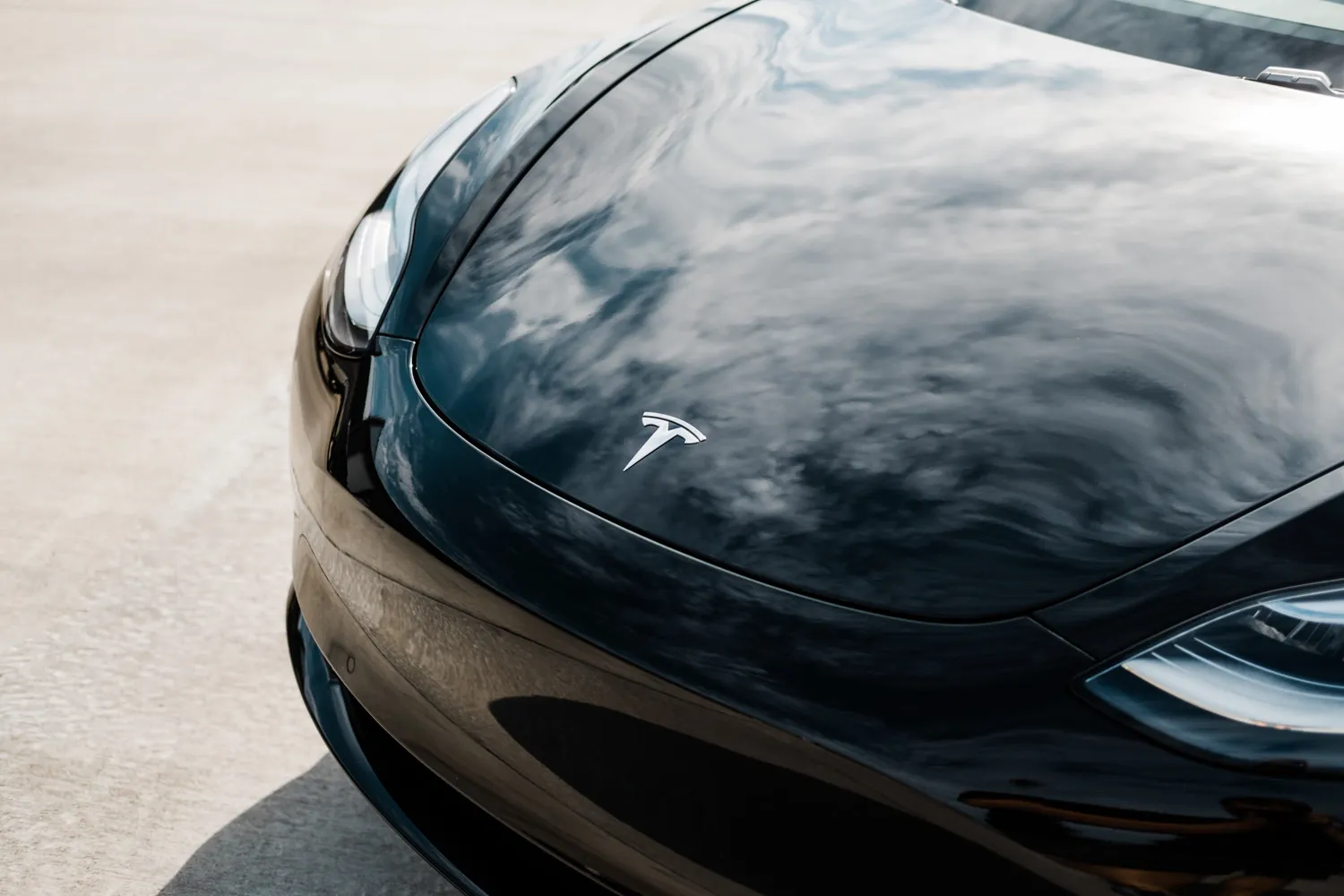
Tesla owners can also schedule dedicated Tesla Window Tinting through Ceramic Pro Indiana County.
Large glass areas make heat control a common concern for Tesla drivers.
Carbon and ceramic films can help with solar heat and UV exposure while retaining compatibility with GPS, mobile, Bluetooth, and other wireless systems.
Tesla owners may want to compare Carbon X, Ceramic IR, and Ultimate IR depending on their preferred shade and heat-control goals.
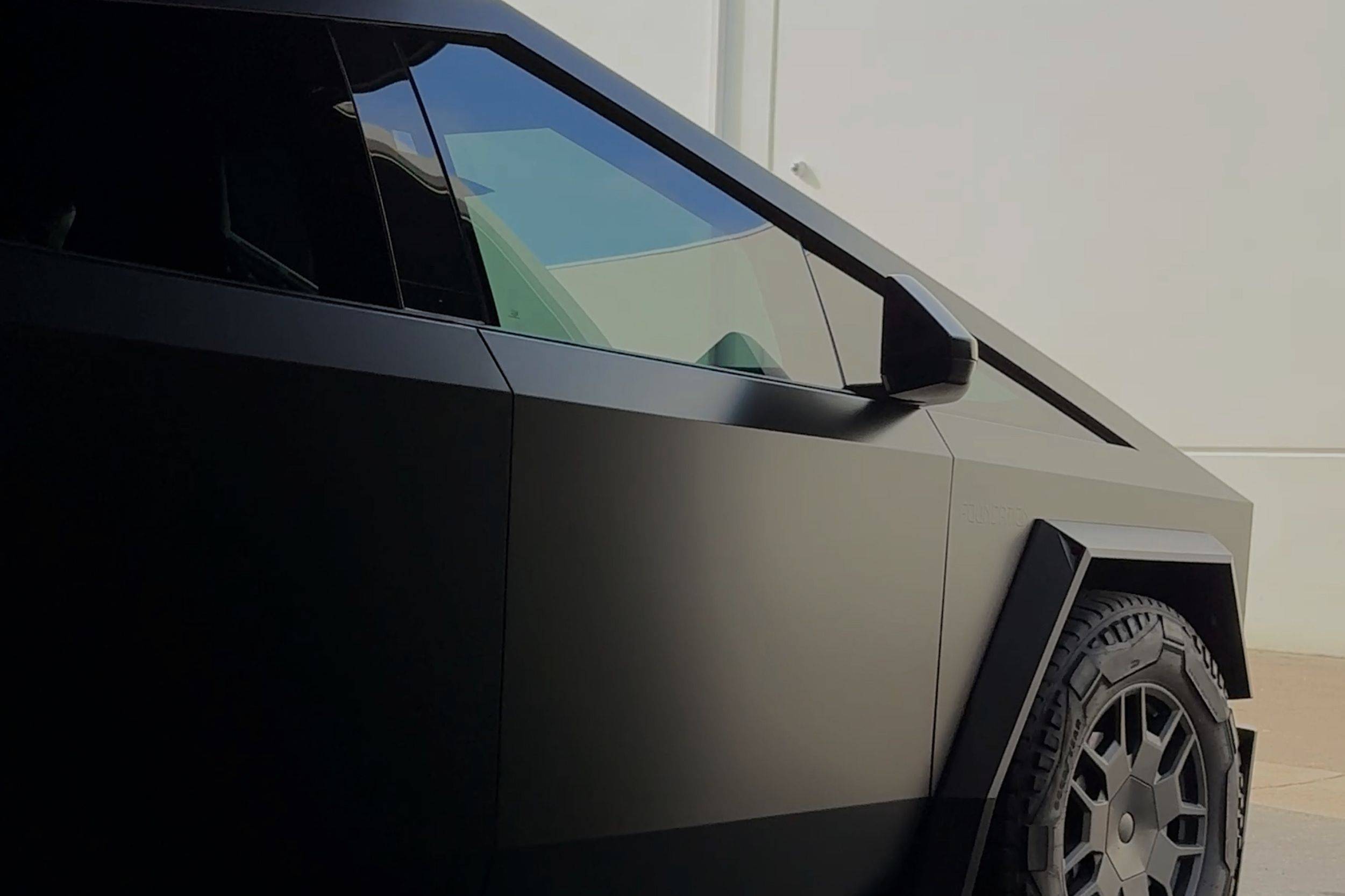
Cybertruck owners can also review our Tesla Cybertruck Window Tint service.
Pennsylvania’s VLT rules still need to be considered before choosing film.
Derry, PA is one of the service areas listed on Ceramic Pro Indiana County’s current window-tint page.
Derry Borough’s municipal site lists the borough at 114 East Second Avenue in Derry, PA 15627.
Drivers from Derry, PA looking for Window Tinting in Derry & Ligonier, PA can visit our Josephine, PA shop to compare carbon and ceramic films.
Nearby communities we also serve include:
If you drive a car, truck, SUV, or Tesla, tell us what bothers you most about the existing glass.
Is it heat?
Glare?
Privacy?
The appearance of light front glass against darker rear privacy glass?
Those answers help narrow the film choices.
Ligonier, PA is also listed among the current service areas for Ceramic Pro Indiana County.
Ligonier Borough’s municipal site lists Town Hall at 120 East Main Street in Ligonier, PA 15658.
Drivers from Ligonier, PA can compare Ceramic Pro carbon and ceramic films at our Josephine, PA shop.
Window Tinting in Derry & Ligonier, PA may make sense for a daily commuter, weekend vehicle, truck, SUV, or Tesla.
If cabin heat is your concern, compare infrared rejection.
If appearance leads the decision, compare shade and film color.
If you want light-looking glass with strong solar control, ask about lighter Ceramic IR and Ultimate IR choices.
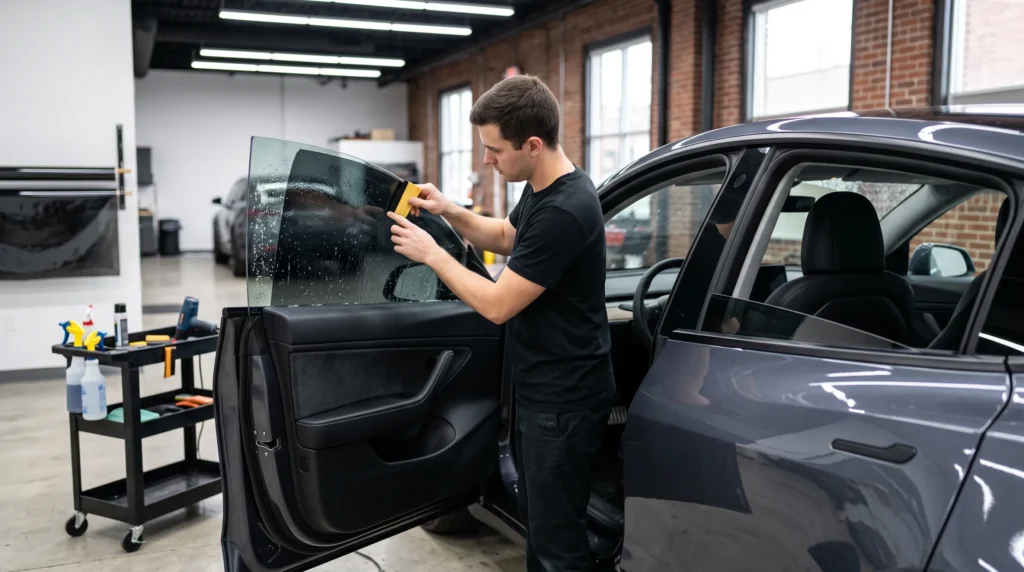
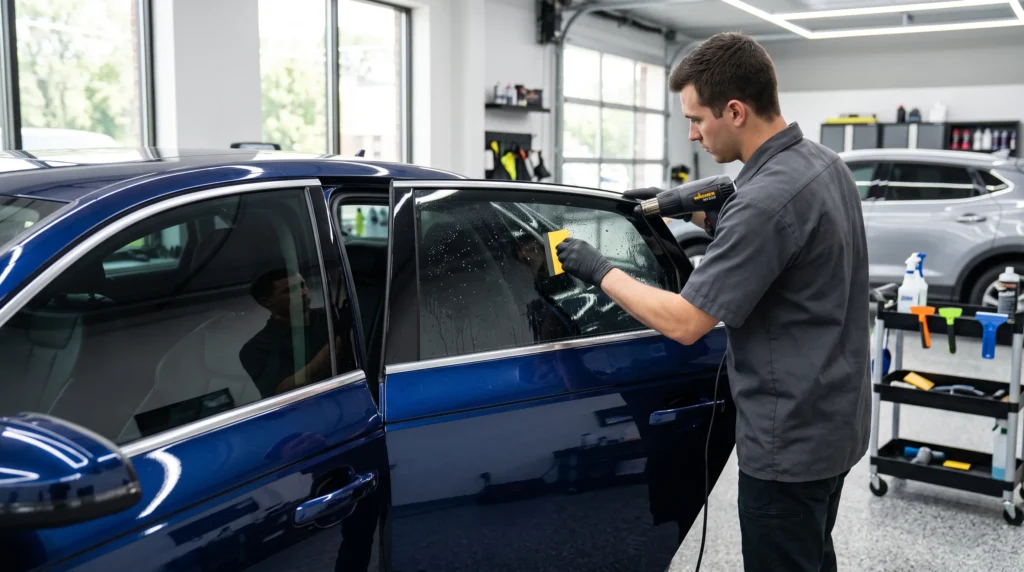
The film itself is only one part of a tint job.
Automotive glass needs to be cleaned and prepared before installation.
The installer also needs to work around:
Ceramic Pro Indiana County states that most tint installations take about two to four hours depending on the number of windows and coverage.
The shop also advises waiting 48 to 72 hours before rolling tinted windows down so the film can cure.
Ceramic Pro films installed through the shop carry manufacturer warranty coverage against listed issues such as fading, peeling, and bubbling.
Ceramic Pro Indiana County is located at:
7515 US-119 S Josephine, PA 15750
Business hours are:
Monday through Friday 10 AM to 8 PM
Our business information lists more than 220 reviews with a 5-star rating.
Window Tinting in Derry & Ligonier, PA comes down to more than choosing a tint percentage.
Start with your goal.
Carbon X may fit drivers who want carbon construction, a black or charcoal appearance, strong heat rejection, and UV protection.
Ceramic IR may fit drivers who want higher infrared control and more VLT choices.
Ultimate IR may fit someone who wants very high infrared rejection, including lighter film that keeps the glass close to a factory appearance.
Pennsylvania tint rules need to be part of the choice too.
The film rating alone does not tell you the finished VLT because factory glass also affects total light transmission.
Call Ceramic Pro Indiana County at (724) 487-5404 to discuss Window Tinting in Derry & Ligonier, PA for your vehicle.
You can also contact Ceramic Pro Indiana County to request an appointment.
Bottom line, choose the film based on heat rejection, UV protection, appearance, vehicle type, existing glass, and Pennsylvania’s total light-transmittance rules.
Ceramic Pro Indiana County serves drivers from both Derry, PA and Ligonier, PA. Our Ceramic Pro Elite Dealer shop is located at 7515 US-119 S, Josephine, PA 15750. Call (724) 487-5404 or use our contact page to schedule.
Ceramic Pro Indiana County currently lists Ultimate IR at up to 99% infrared rejection. Ceramic IR is listed at up to 96%, while Carbon X is listed at up to 95% on its current local product page. Performance varies by film and VLT.
No. Ceramic IR and Ultimate IR are available in lighter VLT choices. Ceramic Pro Indiana County states that Ceramic IR at 70% VLT can still reject 88% of infrared heat, while Ultimate IR 80 can provide high infrared blocking with a nearly clear appearance.
PennDOT currently lists a 70% minimum total light transmittance for windshields and front side windows. For 1998 and newer passenger cars, the same minimum applies to the rear side windows and rear window. Trucks and qualifying multipurpose passenger vehicles have no listed minimum for rear side windows and the rear window.
Ceramic Pro Carbon X, Ceramic IR, and Ultimate IR use non-metallic construction. The manufacturer and Ceramic Pro Indiana County state that these films are designed to work without disrupting GPS, Bluetooth, mobile-phone, radio, or satellite signals.
Ceramic Pro Indiana County currently states that most vehicles take about two to four hours depending on the number of windows and amount of coverage. The shop recommends waiting 48 to 72 hours before rolling tinted windows down after installation.
Call (724) 487-5404 to discuss your car, truck, SUV, or Tesla. You can also use the Ceramic Pro Indiana County contact page to request an appointment.
At Ceramic Pro Indiana County, we offer a full range of auto protection services to keep your car looking its best—and staying protected for the long haul. From scratch-resistant film and gloss-enhancing coatings to UV-blocking window tint, we’re your certified local experts.
Explore the many services we offer by clicking the boxes below