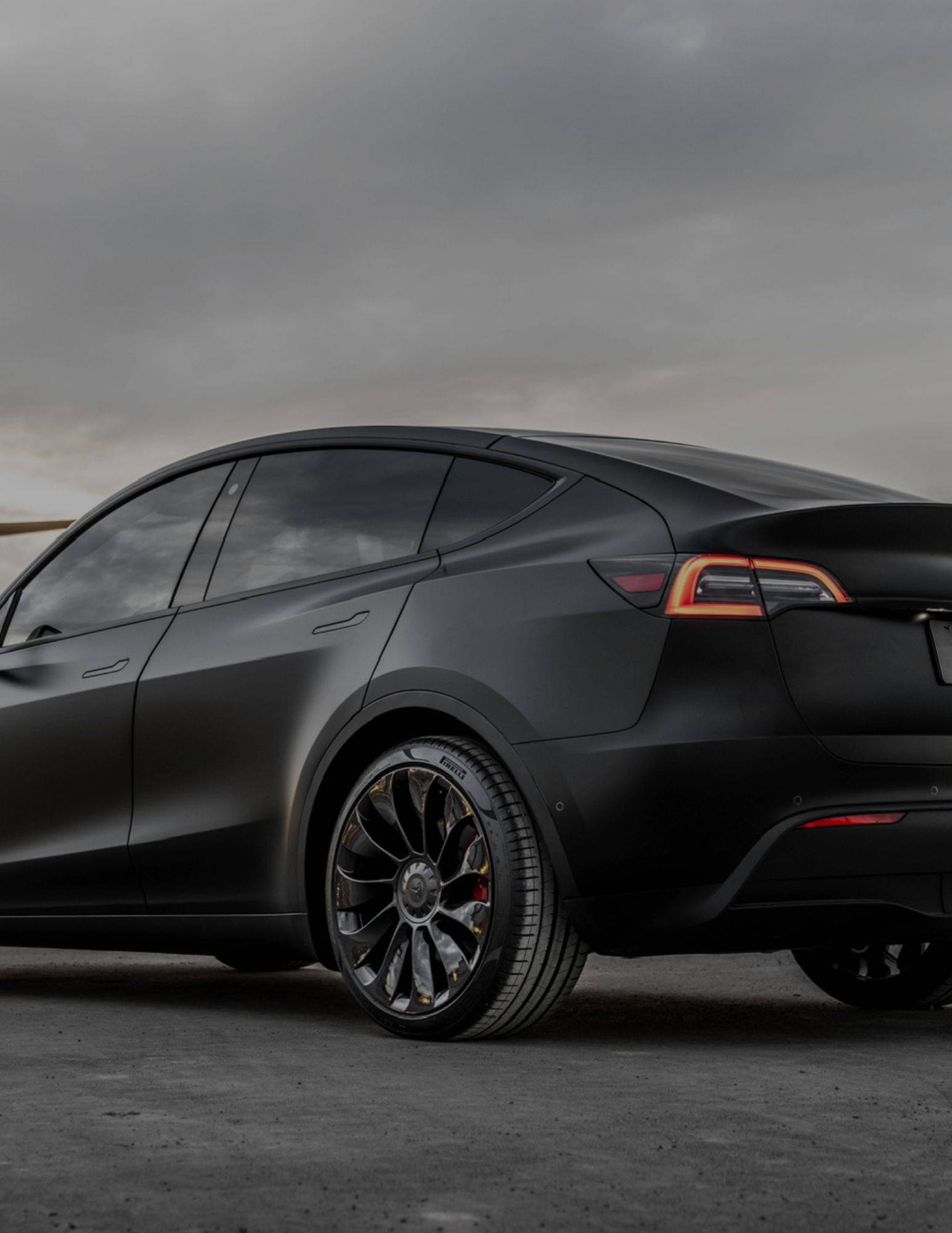
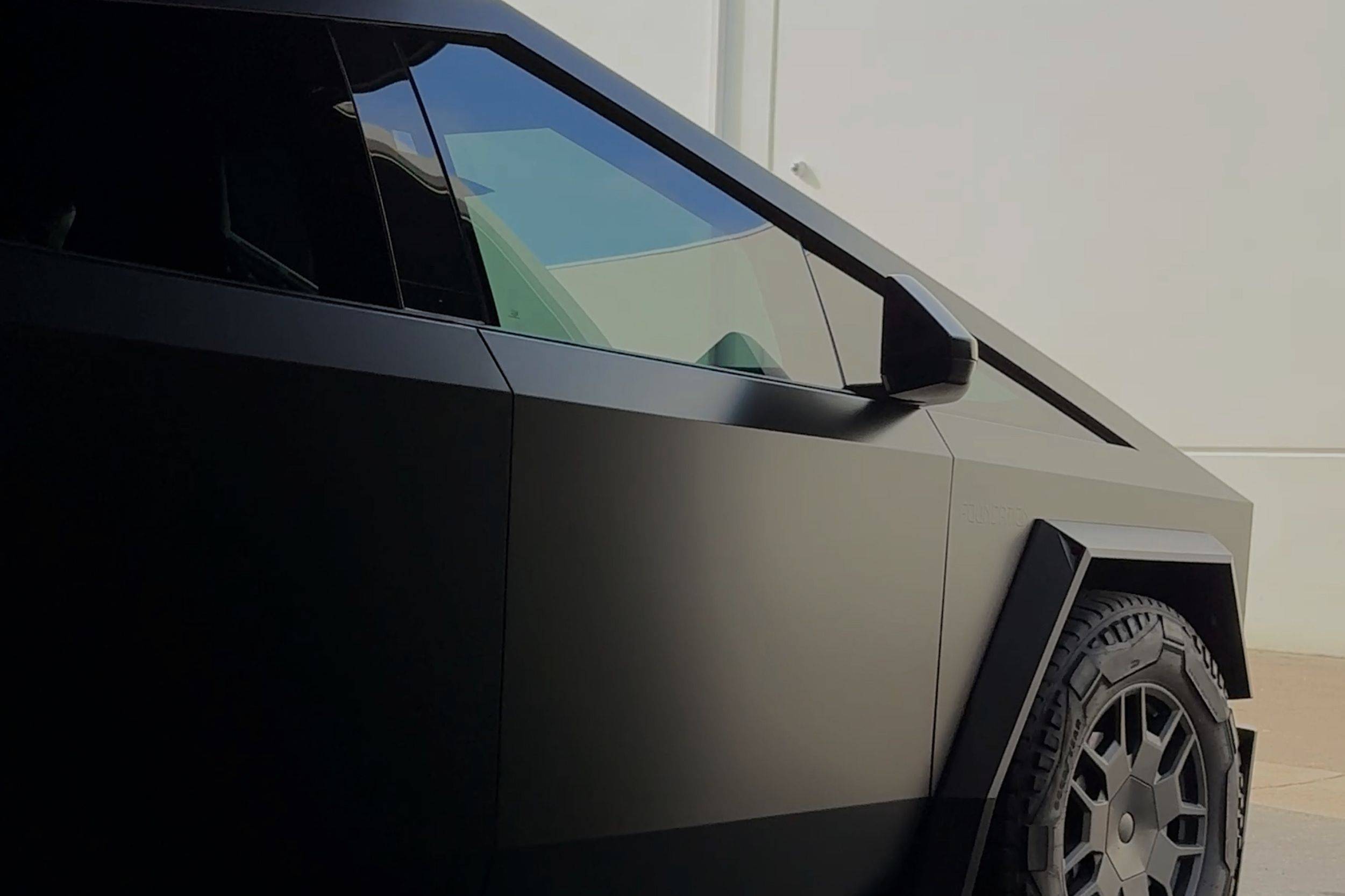
PeelClear vs Paint Protection Film is a choice more vehicle owners are starting to consider when they want real paint protection without repainting the car. Both can place a physical barrier over factory paint, both can help reduce damage from road debris and contamination, and both can be removed later when installed over suitable paint and handled correctly. The way they reach those goals is very different.
PeelClear is a spray-applied, waterborne peelable paint system. It is sprayed in a controlled booth, builds into a continuous protective layer, and cures with a paint-like finish. Paint protection film, or PPF, is a flexible thermoplastic polyurethane film installed over body panels with an adhesive layer.
For vehicle owners in Josephine, PA, Indiana, PA, and Homer City, PA, the right choice can depend on the finish you want, the areas you want covered, how you want small surface damage handled, and whether you prefer a sprayed coating or an adhesive film.
Here is why the PeelClear vs Paint Protection Film comparison deserves more than a quick answer.
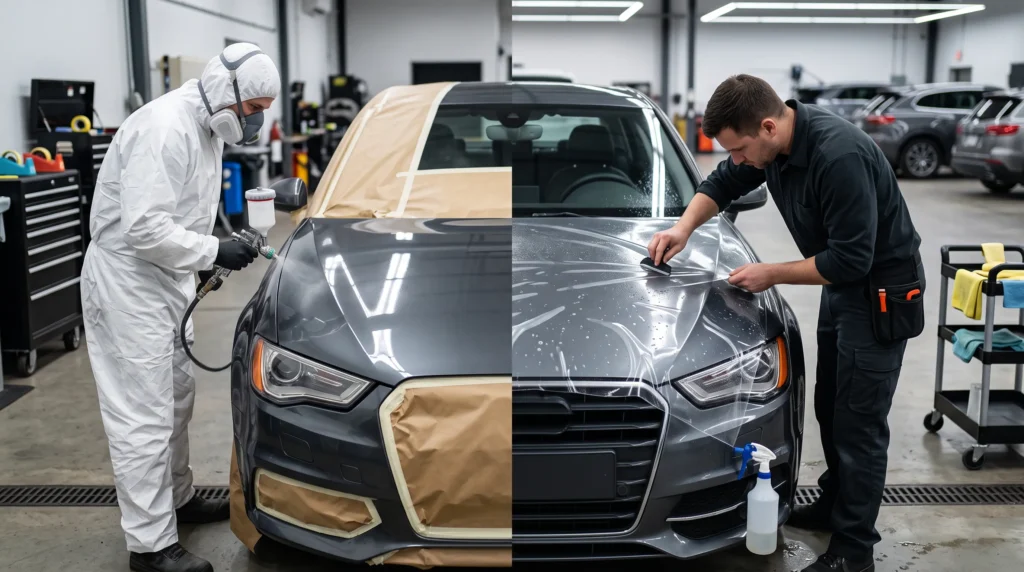
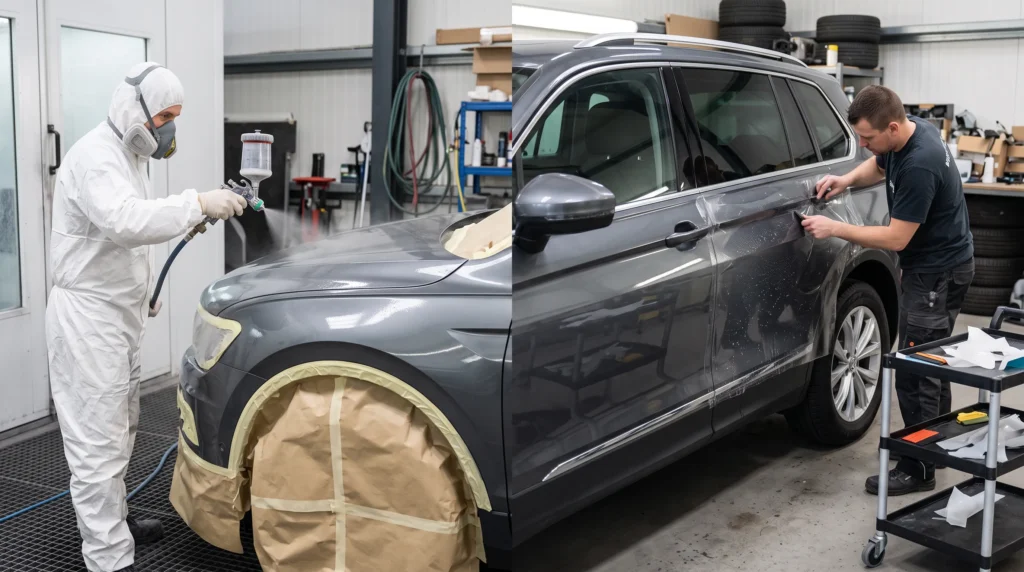
PeelClear vs Paint Protection Film starts with the material itself. PeelClear is sprayed like automotive paint. PPF arrives as a sheet of flexible film and is fitted over the vehicle.
| Feature | PeelClear | Paint Protection Film |
|---|---|---|
| Material | Waterborne peelable paint system | Thermoplastic polyurethane film |
| Installation | Sprayed in a controlled booth | Film fitted and applied to panels |
| Adhesive | No adhesive layer | Uses an adhesive layer |
| Published thickness | Builds to about 8 to 12 mil | PPF commonly runs about 6 to 8 mil |
| Finish choices | Clear, gloss, satin, matte, and color | Clear gloss, matte, black, and color options depending on film |
| Film seams | No sheet-film seams | Film ends at panel edges or installer-selected cut lines |
| Light surface marks | Can be sanded and polished | Many modern PPF products self-heal light marks with heat |
| Removal | Designed to peel away without adhesive | Film is removed from its adhesive bond |
| Warranty | 20-year limited PeelClear product warranty | Depends on the PPF line |
| Partial coverage | Yes | Yes |
| Full vehicle coverage | Yes | Yes |
Thickness numbers alone do not decide which product will protect a specific vehicle better. Material construction, installation, coverage, impact type, surface condition, and care all matter.
What this means is that PeelClear vs Paint Protection Film is less about asking which one wins every category and more about matching the product to the car and owner’s goals.
PeelClear is a patent-pending waterborne peelable automotive paint system. According to Peelclear’s technology information, the system uses a base coat and top coat that chemically crosslink as they cure.
The base builds the protective layer. The top coat controls the final gloss, satin, or matte appearance and adds resistance to UV exposure and environmental wear.
PeelClear says the finished system builds to about 8 to 12 mil. At that thickness, the company positions it as protection comparable to standard PPF for normal road use.
Unlike an adhesive film, PeelClear is sprayed onto the prepared vehicle surface. The cured layer can be wet sanded, polished, and corrected much like an automotive finish.
PeelClear can also be clear or colored. Clear protection lets the factory color stay visible. Colored versions can change the exterior appearance while the original paint remains underneath.
Ceramic Pro Indiana County offers PeelClear peelable paint protection at its Josephine, PA shop.
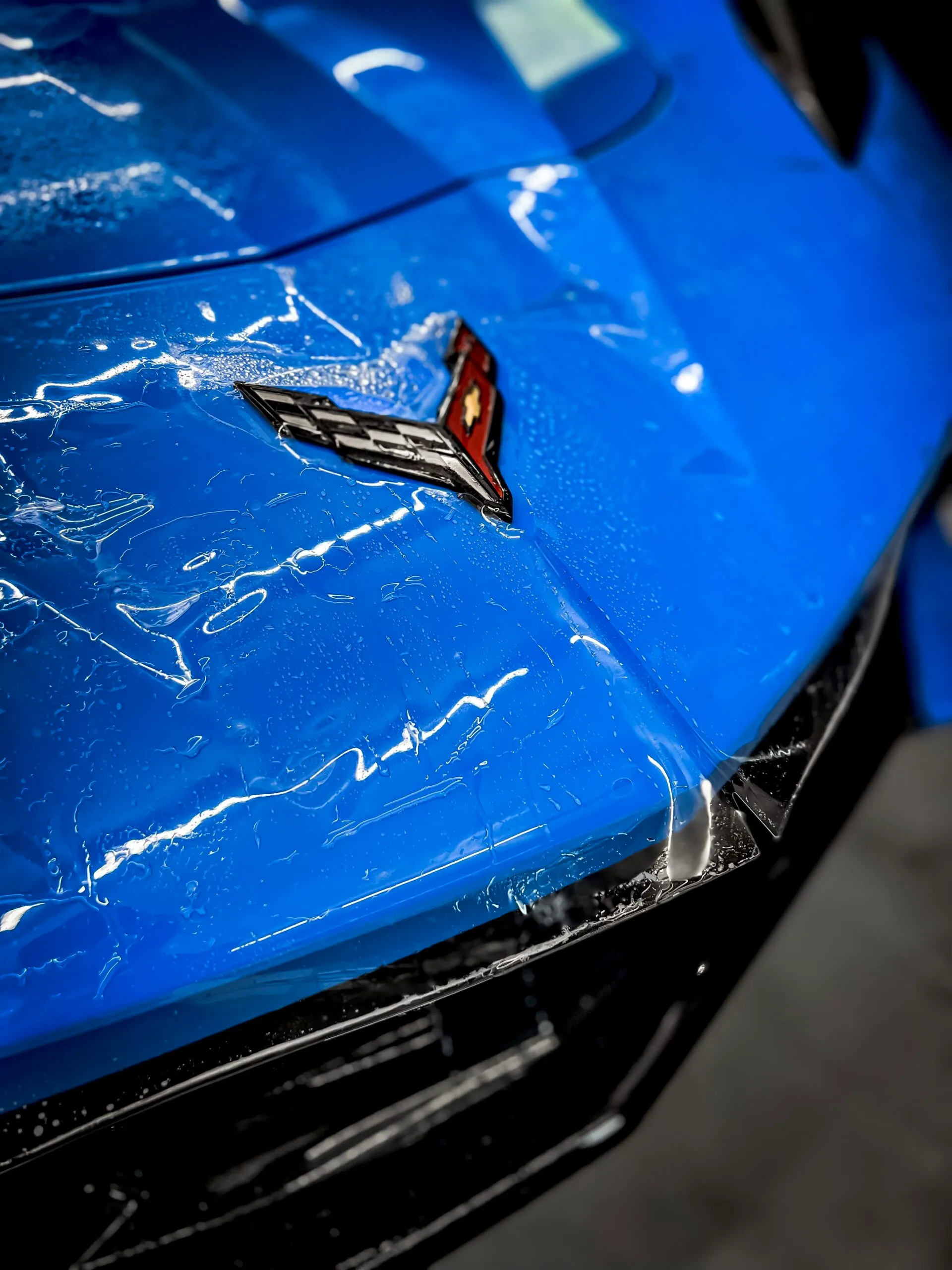
Paint protection film is a flexible polyurethane film placed over automotive paint.
Ceramic Pro describes modern PPF as having three main working layers: an adhesive layer, a thermoplastic polyurethane body, and a top coat. The TPU absorbs impact and resists road debris, while the top coat can add stain resistance, water repellency, and self-healing behavior.
Ceramic Pro says automotive PPF commonly measures around 6 to 8 mil thick.
Ceramic Pro’s current clear PPF is also ceramic-infused and has a self-healing surface. Light scratches and swirl-like marks in the film can lessen with heat.
Ceramic Pro Indiana County installs paint protection film on partial-front, full-front, and full-vehicle packages.
Drivers can also choose from other film styles, including Ceramic Pro clear PPF, matte film, black PPF, and color PPF.
The installation method is one of the clearest differences in PeelClear vs Paint Protection Film.
PeelClear is sprayed with automotive spray equipment in a controlled booth.
The vehicle is prepared, masked, and sprayed in multiple passes. PeelClear says its base and top coat cure together into one continuous material.
Because it is sprayed, PeelClear follows curves and body lines without requiring a sheet of film to be stretched and fitted over the panel.
There is no adhesive layer under the finished surface.
This can appeal to owners who want a paint-like surface without visible sheet-film lines.
PPF arrives as film.
The installer cleans and prepares the paint, positions the film with installation solution, and works the material across the panel. The film can be cut from a vehicle pattern or fitted by the installer, depending on the panel and shop process.
Edges may be wrapped where the panel shape allows it.
PPF installation depends heavily on panel preparation, film placement, tension, edge work, and clean working conditions.
Both services call for trained installation. They simply reach the finished result through different methods.
Rock-chip protection is often the first question in a PeelClear vs Paint Protection Film comparison.
Both products are made to reduce direct contact between road debris and factory paint.
PeelClear says its 8 to 12 mil crosslinked layer can absorb minor impacts and abrasion. Its current clear-protection page says it can reduce chipping and surface marring compared with unprotected paint, while also stating that it will not stop every direct rock strike.
PPF has a long history as an impact-protection film. Its flexible TPU layer is made to absorb energy from gravel, small stones, bugs, and other road debris.
Ceramic Pro PPF is designed around protection from rock chips, road debris, salt, bird droppings, and environmental contamination.
Neither product should be treated as an invisible force field.
A hard enough stone, sharp object, collision, or heavy impact can damage PeelClear, PPF, or the body panel underneath.
The real question is where you need the protection.
If the front bumper, hood, and fenders take most of the road exposure, either product can be focused on those zones. If you want protection from front to rear, both have full-exterior paths.
Appearance may be the deciding factor for some owners.
PeelClear cures with a paint-like surface. The company offers clear finishes along with color options and gloss, satin, or matte top coats.
Because the material is sprayed, there are no adhesive-film seams between sprayed sections.
PPF has its own visual choices.
Clear gloss PPF lets the factory finish remain visible. Matte PPF can change gloss paint to a satin-style look. Black and colored PPF can restyle the exterior while protecting the original paint.
Ceramic Pro’s Shift color PPF is one route for owners who want a colored TPU film rather than clear film.
Here’s what matters: PeelClear vs Paint Protection Film can both preserve the factory paint underneath, but they create the outside surface in a different way.
Choose based on whether you want a sprayed paint-like finish or the characteristics of a TPU film.
Repair behavior is another useful part of the PeelClear vs Paint Protection Film decision.
PeelClear says its cured surface can be sanded and polished.
That means some surface defects can be corrected in much the same way a paint technician would work on a clear coat. The company also says local damage can be repaired without removing the full system in every case.
If the damage is deeper, the affected area may need refinishing by a trained installer.
Modern Ceramic Pro PPF has self-healing behavior for light surface marks.
Heat can help minor scratches and swirl-like marks lessen in the top coat.
A cut, puncture, torn section, or badly damaged film will not self-heal. When damage goes beyond the surface layer, the affected piece of film may need replacement.
For an owner who likes the idea of polishing a sprayed finish, PeelClear may have more appeal.
For an owner who likes heat-activated recovery from light film marks and panel-based film replacement, PPF may feel more familiar.
Removal is another major difference in PeelClear vs Paint Protection Film.
PeelClear does not use adhesive beneath the cured layer.
The manufacturer says a certified installer can score the material at an edge and peel it away in large sections. PeelClear’s removal claims apply to sound, properly prepared surfaces and approved removal methods.
That condition matters.
PeelClear’s current warranty says the company warranties its coating system, not the condition or stability of the underlying paint. Previous body repairs, weak paint, poor preparation, and other surface problems can affect the result.
PPF uses adhesive to stay attached to the panel.
Professional PPF removal involves lifting and removing the film while managing the adhesive bond. Paint condition matters here too, especially on repainted panels or surfaces where the paint-to-panel bond is weak.
Ceramic Pro’s current PPF warranty recommends addressing chips, scuffs, and paint defects before film installation and says older vehicles may benefit from machine polishing first.
If your vehicle has body-shop history, tell the installer before choosing either product.
You do not have to protect every panel.
PeelClear offers front-end and full-exterior approaches. Its current product information describes a front-focused package covering the bumper, hood, and front fenders, along with broader exterior packages.
Ceramic Pro Indiana County’s PPF service also has several coverage levels.
This approach is aimed at panels that face incoming debris.
Common areas include:
PPF is widely used this way because installers can place film only on the panels that see the most impact.
PeelClear can also be sprayed on high-impact areas.
Full coverage makes more sense when the owner wants paint protection across doors, quarter panels, rocker areas, rear panels, and other painted surfaces.
PeelClear creates a continuous sprayed layer across the areas included in the job.
PPF uses separate pieces fitted to the vehicle’s panels.
For PeelClear vs Paint Protection Film, the coverage question often comes down to how much of the car you want protected and which finished appearance you prefer.
Warranty language can sound similar until you read what each warranty actually covers.
PeelClear currently carries a 20-year limited product warranty for qualifying installations.
Its warranty covers qualifying product-system failures such as delamination, blistering, adhesion failure, product-related peeling, premature yellowing from material degradation, cracking, structural breakdown, and loss of intended protective function.
PeelClear also states that the warranty is on the PeelClear system itself. It does not warranty the vehicle or guarantee that every scratch, stone chip, chemical mark, stain, or impact will be prevented.
Ceramic Pro PPF warranty length depends on the film.
Ceramic Pro’s June 2025 warranty states that Ceramic Pro PPF and Ceramic Pro Matte PPF are covered for the lifetime of the vehicle’s original factory paint when the stated conditions are met. Ceramic Pro Urban PPF has a 10-year warranty.
Ceramic Pro also requires annual service to keep the stated PPF coverage periods in place.
So when looking at PeelClear vs Paint Protection Film, do not compare warranty length by itself. Read what is covered, what is excluded, what care is required, and whether annual service or installer removal rules apply.
PeelClear may fit an owner who wants the protective layer to behave more like a sprayed automotive finish.
It may be worth considering if you want:
PeelClear can also suit someone who changes the look of a vehicle but does not want permanent repainting.
A clear PeelClear finish can keep the factory color visible, while colored versions can restyle the vehicle.
If this direction sounds closer to your goals, review Ceramic Pro Indiana County’s PeelClear service.
PPF may fit an owner who wants a flexible TPU film and likes the established characteristics of modern paint protection film.
It may make sense if you want:
PPF is also a familiar choice for a new vehicle when the owner wants to cover the nose before highway miles start adding chips.
Ceramic Pro Indiana County offers Paint Protection Film as well as Ceramic Pro PPF for owners comparing film choices.
Ceramic Pro Indiana County offers PeelClear and paint protection film at 7515 US-119 S, Josephine, PA 15750.
That gives vehicle owners a useful advantage when comparing PeelClear vs Paint Protection Film: you can discuss both protection styles with the same shop instead of choosing based only on what one installer sells.
The shop serves vehicle owners from Josephine, PA, Indiana, PA, and Homer City, PA.
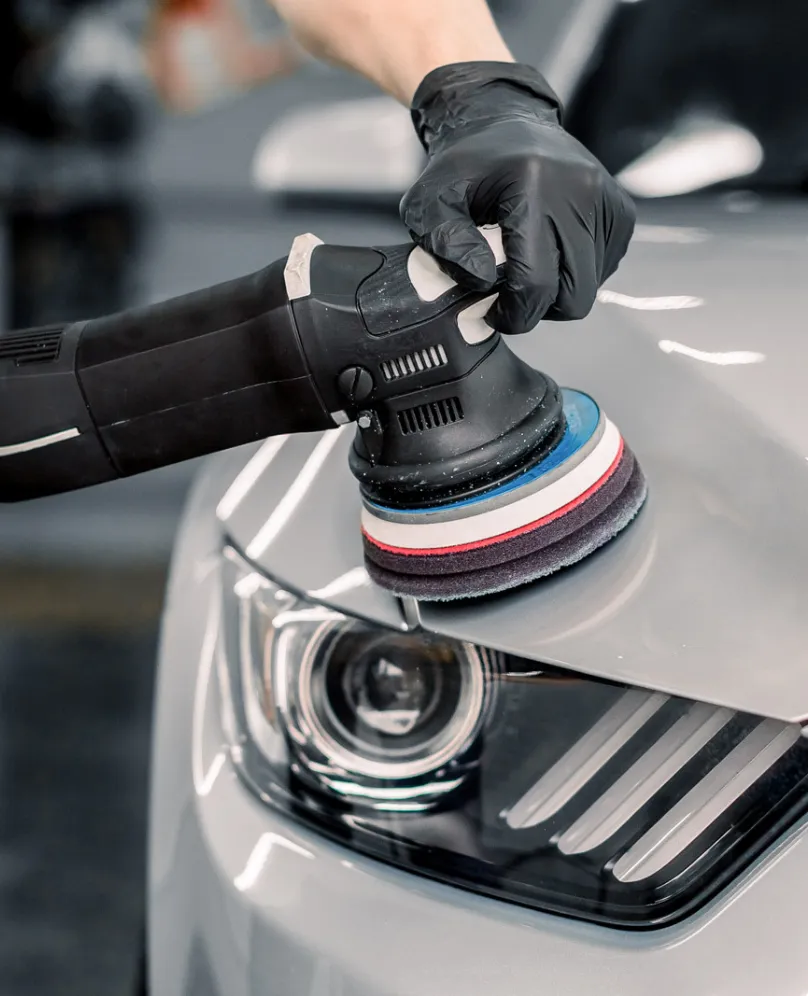
For a car that already has chips, swirl marks, or other visible defects, ask whether paint correction or paint repair should happen before protection is installed.
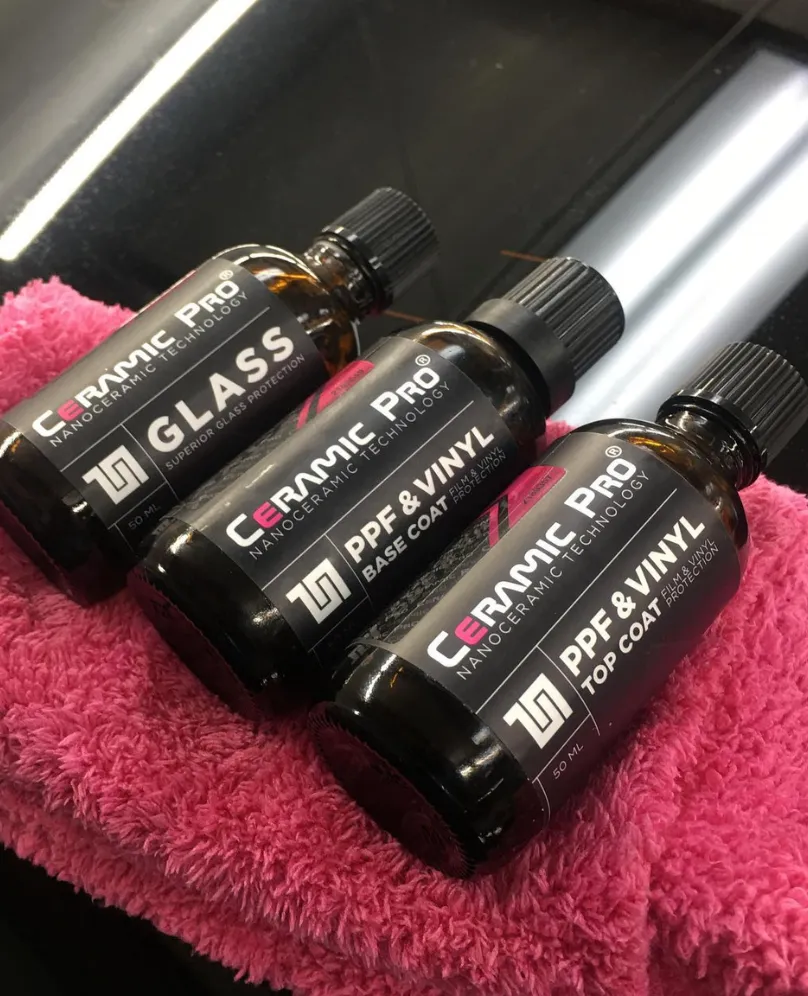
For owners who want more water repellency after the paint-protection work is completed, ask whether a compatible ceramic coating can be added to the chosen protection system.
Bottom line, PeelClear vs Paint Protection Film is not a case where every owner should pick the same product.
PeelClear makes sense when a sprayed, paint-like, removable surface is a strong part of what you want. PPF makes sense when you want a flexible TPU film with self-healing behavior and familiar panel-based coverage.
Both can protect factory paint. Both have limits. Both need proper surface preparation and care.
The next step is to look at your vehicle, how you use it, which panels receive the most road exposure, and what you want the finished surface to look like.
Call Ceramic Pro Indiana County at (724) 487-5404 or schedule an appointment through the contact page to compare PeelClear and PPF for your car.
No. PeelClear is a waterborne peelable paint system sprayed onto the vehicle. Paint protection film is a thermoplastic polyurethane sheet attached to the paint with an adhesive layer. Both are made to protect the finish, but their materials, installation, correction, and removal methods differ.
PeelClear says its cured 8 to 12 mil layer absorbs minor impact and abrasion and gives protection comparable to standard PPF during normal road use. Its warranty also states that the system cannot guarantee protection from every rock chip or impact. PPF is also built to absorb road-debris impacts, and a hard enough strike can damage either product.
PeelClear is sprayed and cured as a paint-like finish, so it does not have sheet-film seams. PPF is a film, though clear PPF can be difficult to notice after a clean installation. The better visual fit depends on whether you want a sprayed finish or want the factory paint visible through clear film.
Yes. PeelClear can be applied to high-impact front areas, and PPF is commonly installed as partial-front or full-front coverage. Ceramic Pro Indiana County also offers full-vehicle PPF when an owner wants protection beyond the nose.
Yes. PeelClear says its cured top surface can be sanded, polished, and corrected. Modern Ceramic Pro PPF handles light surface marks differently because its top coat is self-healing with heat. Deeper film damage may call for replacement of the affected PPF section.
The methods are different. PeelClear is designed to peel away in large sections without an adhesive layer. PPF must be removed from its adhesive bond. Both should be handled with the condition of the underlying paint in mind. Repainted, weak, or damaged surfaces deserve inspection before either product is installed or removed.
Ceramic Pro Indiana County offers both PeelClear and PPF at 7515 US-119 S, Josephine, PA 15750 and serves vehicle owners from Indiana, PA and Homer City, PA as well. Call (724) 487-5404 or contact Ceramic Pro Indiana County to discuss which protection style fits your vehicle.
What Is Peelclear? How Does It Work?
Publisher: Peelclear
Publication Date: September 15, 2026
Used for: PeelClear waterborne construction, spray application, protection role, and removal concept.
Peelclear vs PPF and Vinyl Wrap
Publisher: Peelclear
Publication Date: September 16, 2026
Used for: PeelClear and PPF application differences, road-debris protection, correction, and full-body coverage comparison.
Peelclear Technology
Publisher: Peelclear
Publication Date: Not listed
Used for: Base and top coat construction, crosslinking, 8 to 12 mil build, sandability, polishability, and material behavior.
Peelclear 20 Year Limited Warranty
Publisher: Peelclear
Publication Date: Not listed
Used for: Warranty term, covered product failures, exclusions, paint-condition limits, and protective-performance limits.
Paint Protection Film Guide
Publisher: Ceramic Pro
Publication Date: Not listed
Used for: Current Ceramic Pro PPF line, self-healing behavior, ceramic-infused top coat, road-debris protection, and warranty categories.
Ceramic Pro PPF Aftercare and Warranty
Publisher: Ceramic Pro
Publication Date: June 2025
Used for: Ceramic Pro PPF warranty periods, annual-service requirements, preparation guidance, care requirements, and exclusions.
PeelClear in Josephine, PA
Publisher: Ceramic Pro Indiana County
Publication Date: Not listed
Used for: Local PeelClear availability, address, phone number, local service information, and coverage choices.
Paint Protection Film in Josephine, PA
Publisher: Ceramic Pro Indiana County
Publication Date: Not listed
Used for: Local PPF availability, partial-front, full-front, and full-vehicle packages, address, phone number, and service areas.
At Ceramic Pro Indiana County, we offer a full range of auto protection services to keep your car looking its best—and staying protected for the long haul. From scratch-resistant film and gloss-enhancing coatings to UV-blocking window tint, we’re your certified local experts.
Explore the many services we offer by clicking the boxes below