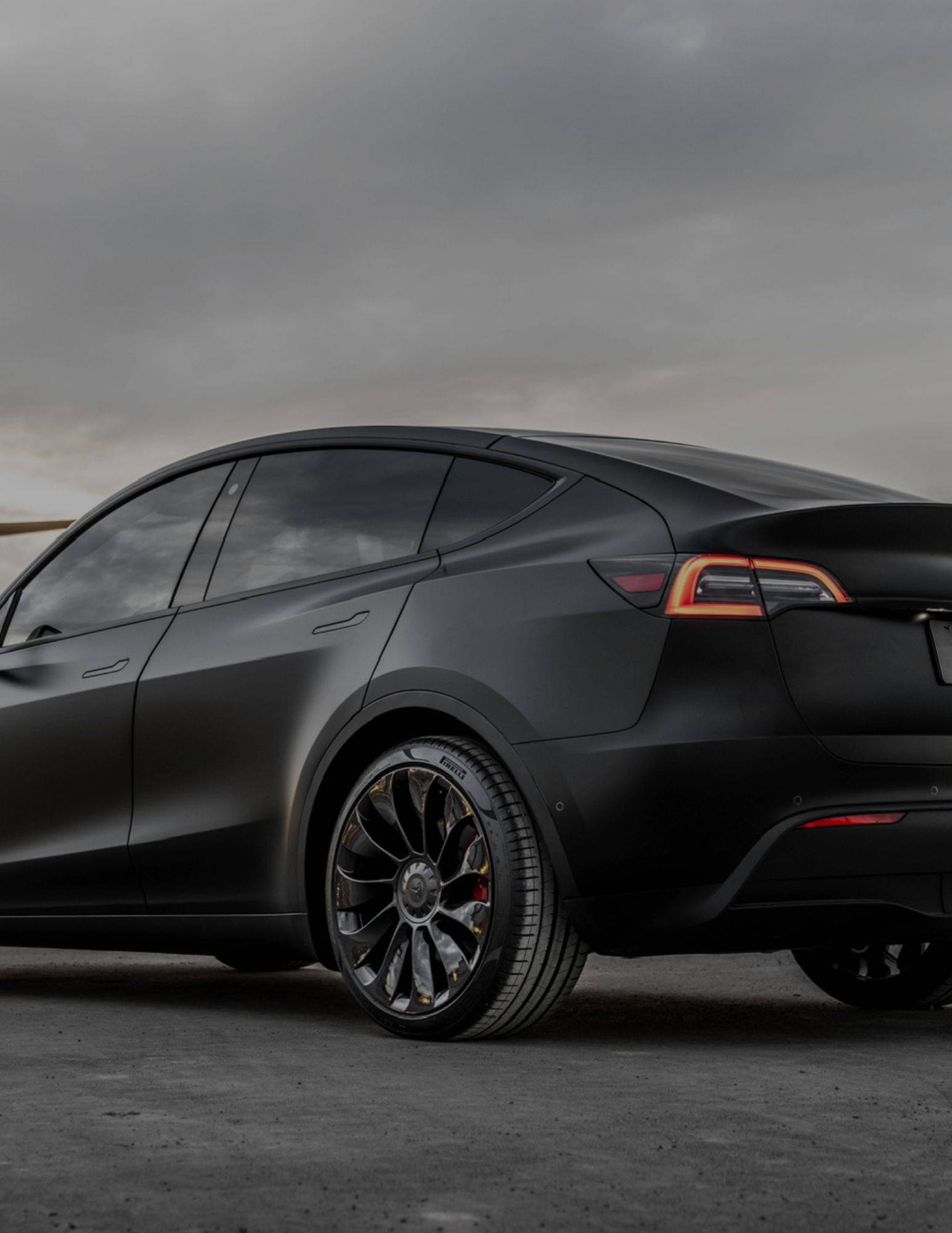
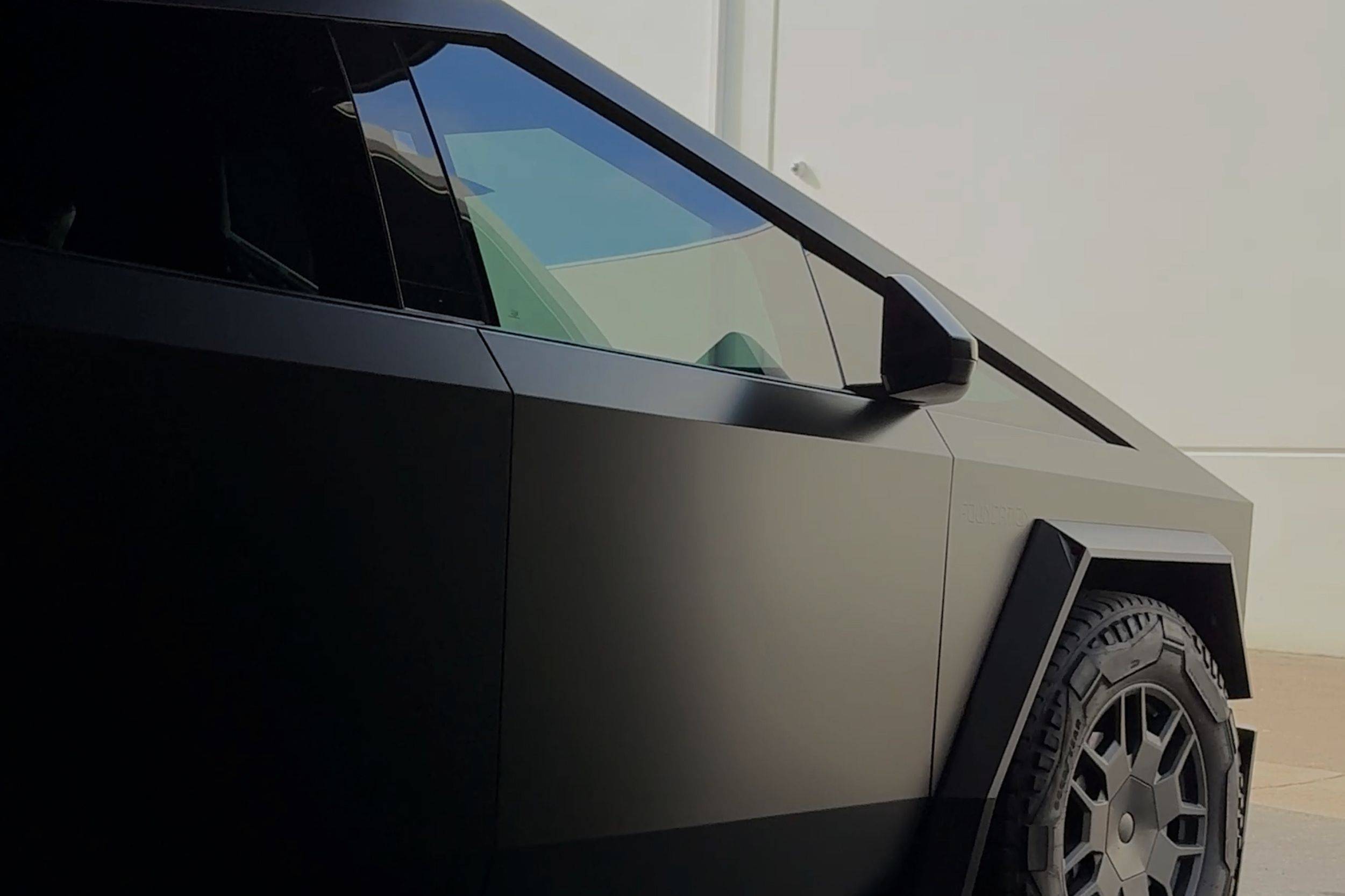
Mirror & Reflective Window Tint in Pennsylvania gets confusing because many online tint charts reduce the law to a few percentages. Pennsylvania’s official rules are more complicated. The state regulates how much visible light must pass through certain windows, and state law also restricts screening material that prevents someone from seeing or viewing the inside of a vehicle through covered windshield and side-window areas.
The current PennDOT Vehicle Window Tint Fact Sheet does not publish a separate statewide number saying a window may be only a certain percentage reflective. Its chart is built around total visible light transmission, or VLT. Pennsylvania’s Vehicle Code also uses visibility language, and its medical-exemption section refers to both light transmittance and luminous reflectance.
That means a highly mirrored film should not be judged by appearance alone. Reflective window tint in Pennsylvania can create a legal problem if the completed glass does not meet the applicable light-transmission requirement or if the material conflicts with Pennsylvania’s visibility rules.
For vehicle owners in Indiana, PA, Josephine, PA, and Homer City, PA, the safest way to choose window tint is to start with the vehicle type, window location, measured total VLT, and current PennDOT guidance rather than relying on a generic “mirror tint is legal” or “mirror tint is illegal” answer.
Here is what Pennsylvania vehicle owners should know.
Mirror tint and reflective tint describe window films that send more visible light back toward the outside instead of simply absorbing or transmitting it.
A strongly reflective film can create a silver, metallic, or mirror-like appearance when viewed from outside the vehicle. Some films have only a mild reflective quality, while others can look much closer to a one-way mirror under certain lighting conditions.
That appearance is different from ordinary dark tint.
A dark carbon or ceramic film may reduce visible light without producing a metallic mirror effect. A reflective film can look bright or silver from outside even when its VLT is not the darkest option available.
This distinction matters because Pennsylvania’s official tint chart measures light transmission, not how shiny a film looks.
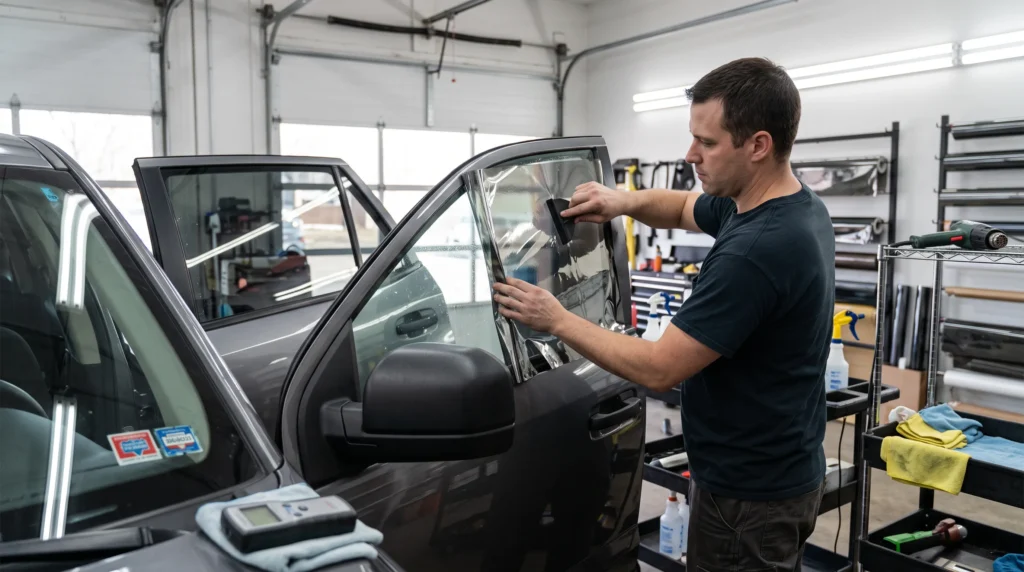
Ceramic Pro Indiana County offers several window tint choices that focus on heat rejection, UV blocking, glare control, and privacy without requiring a mirror-style appearance.
There is not a reliable one-word answer for every window and vehicle.
PennDOT’s current Vehicle Window Tint Fact Sheet does not list a separate numeric reflectivity limit for automotive tint. Instead, it gives minimum total light-transmission percentages based on vehicle type and window location.
Pennsylvania law adds another layer.
Under 75 Pa.C.S. § 4524(e), a person may not operate a vehicle with sun screening or other material that does not permit a person to see or view the inside of the vehicle through the windshield, side wing, or side window, subject to listed exceptions.
Pennsylvania regulations in 67 Pa. Code § 175.263 also say a person may not operate a vehicle on a highway with a front windshield, side window, or side wing equipped with screening that does not permit a person to see or view the inside.
So the answer to “Is mirror tint legal in Pennsylvania?” depends on more than whether the film is described as reflective.
You need to consider:
A film seller’s description does not decide legality.
The installed glass does.
PennDOT’s April 2025 Vehicle Window Tint Fact Sheet gives the current state chart for minimum total light transmission.
VLT stands for Visible Light Transmission. A 70% requirement means at least 70% of the light reaching the window must pass through the completed glazing.
PennDOT’s chart lists:
| Vehicle Type | Windshield | Front Side Windows | Rear Side Windows | Rear Window |
|---|---|---|---|---|
| Pre-1998 passenger cars | 70% | 70% | 70% | VESC-20 |
| 1998 and newer passenger cars | 70% | 70% | 70% | 70% |
| Trucks and multi-purpose passenger vehicles | 70% | 70% | No requirement listed | No requirement listed |
| Medium/heavy trucks and buses | 70% | 70% | No requirement listed | No requirement listed |
| All other vehicles | 70% | 70% | No requirement listed | No requirement listed |
PennDOT notes that the percentages are the total minimum light transmittance permitted.
That word “total” matters.
The film and factory glass work together. You cannot assume that putting a film marked “70% VLT” on factory glass will leave the completed window at exactly 70%.
Automotive glass already reduces some visible light before aftermarket film is installed.
This is why measuring the completed glass matters when compliance is the goal.
VLT and reflectivity are two different properties.
VLT measures how much visible light passes through the glass and film.
Lower VLT means darker glass.
Higher VLT means more visible light gets through.
Reflectivity describes how much light is sent back from the surface.
A window can have a reflective appearance without being the darkest window on the road. A dark window can also have relatively little mirror-like reflection.
This is where reflective window tint in Pennsylvania is often misunderstood.
PennDOT’s current public fact sheet gives numeric limits for light transmission. It does not give a separate statewide chart saying automotive film may have a maximum of 10%, 20%, or another stated reflectivity percentage.
The Pennsylvania Vehicle Code does mention “luminous reflectance” in the medical-exemption language of § 4524(e)(3), but the current PennDOT public chart is still presented as a light-transmission chart rather than a numeric reflectivity chart.
Federal rules do not create a numeric reflectivity limit either. In a published interpretation of Federal Motor Vehicle Safety Standard No. 205, NHTSA stated that the federal glazing standard does not set a limit on glazing reflectivity. States may regulate reflectance separately.
What this means for Pennsylvania vehicle owners is straightforward: do not use a reflectivity percentage copied from a generic website as your only legal reference.
Use current Pennsylvania sources and have the completed window evaluated against the rules that apply to that vehicle.
Pennsylvania’s “see or view the inside” language is one of the most important parts of the law for mirror-style film.
Section 4524(e)(1) of the Pennsylvania Vehicle Code states that a person may not operate a vehicle with screening or other material that does not permit a person to see or view the inside through the windshield, side wing, or side window.
Pennsylvania’s sun-screening regulation uses similar wording for the front windshield, side windows, and side wings.
A highly mirrored surface can matter here because strong exterior reflection can make the cabin hard to see, especially when outside light is brighter than the interior.
That does not mean every film with a slight reflective appearance automatically violates the law.
It means the legal question cannot be reduced to “the film is silver, so it is legal” or “the film reflects light, so it is illegal.”
The installed result matters.
Pennsylvania appellate case law has also distinguished the Vehicle Code’s visibility language from the separate 70% regulatory standard. That is another reason vehicle owners should avoid treating one percentage as the entire law.
If you want reflective window tint in Pennsylvania that looks strongly mirrored from outside, ask the installer to review whether that product is appropriate for the planned window location before installation.
The windshield has some of the strictest rules.
PennDOT lists a 70% minimum total light-transmission requirement for the windshield across the vehicle categories in its current fact sheet.
Pennsylvania regulations also allow material along the top edge of the windshield only under stated conditions.
Under 67 Pa. Code § 175.263, a top-edge product must be transparent, must not extend into the AS-1 portion of the windshield, and must not extend more than 3 inches down from the top.
That is not a broad permission for a mirror-finish windshield.
A reflective visor strip still needs to fit the applicable requirements, including the rule that permitted top-edge material be transparent.
The windshield is also where visibility matters most.
If you are considering Mirror & Reflective Window Tint in Pennsylvania for the windshield, do not choose the film based on style alone.
Review the current PennDOT rules before installation.
Front side windows receive the same 70% minimum total light-transmission figure in PennDOT’s current chart across the listed vehicle categories.
They are also covered by Pennsylvania’s visibility language.
This makes the front doors a poor place to make assumptions based on what you see on vehicles in another state.
A mirror-like film can make the glass appear private even when the film seller describes it as light.
What matters is the completed window.
If the original glass already reduces visible light, adding even a relatively light film can bring total VLT down farther than expected.
A professional installer can measure the existing glass and explain how a chosen film is likely to affect the finished result.
For vehicle owners who mainly want heat reduction rather than a mirror appearance, a lighter ceramic film may be a better direction.
Rear-window rules depend heavily on vehicle type.
For 1998 and newer passenger cars, PennDOT’s chart lists 70% minimum total light transmission for the rear side windows and rear window.
For trucks and multi-purpose passenger vehicles, the current PennDOT chart lists no light-transmission requirement for the rear side windows or rear window.
This difference is one reason SUVs, trucks, and passenger cars should not be treated as if they all have the same rear-glass rules.
Pennsylvania regulations also require outside mirrors in certain situations involving screening material.
Under 67 Pa. Code § 175.264, right and left outside rearview mirrors are required with the use of sun-screening material unless the material is only used above the AS-1 windshield area as permitted by the regulation.
The rear of an SUV may have much darker factory privacy glass than the rear of a sedan. That does not mean the same aftermarket film choice works for both.
If you are considering reflective window tint in Pennsylvania on rear glass, have the vehicle classification and existing glass checked first.
Vehicle classification is one of the easiest parts of Pennsylvania tint law to miss.
PennDOT defines a multi-purpose passenger vehicle in its tint fact sheet as a vehicle built on a truck chassis or designed for occasional off-road use.
For the purpose of PennDOT’s tint chart, those vehicles are treated differently from passenger cars on rear side and rear windows.
A 1998 or newer passenger car has a listed 70% minimum on all four window-location categories in the PennDOT chart.
A qualifying truck or multi-purpose passenger vehicle has a listed 70% minimum on the windshield and front side windows, with no requirement listed for the rear side windows or rear window.
Do not assume that every crossover, SUV, hatchback, or wagon automatically falls into one category from appearance alone.
The actual vehicle classification matters.
If there is any doubt, use the vehicle information and current PennDOT guidance rather than guessing.
PennDOT says Pennsylvania eliminated the requirement to check window tint at the time of inspection when the state adopted its tint regulations in 1996.
That does not mean noncompliant tint is automatically allowed.
PennDOT’s current fact sheet states that vehicle owners with tint material exceeding the listed light-transmission requirements may still be stopped and cited while operating the vehicle on a highway.
This distinction matters.
Passing a Pennsylvania safety inspection does not serve as proof that aftermarket window tint complies with every applicable tint rule.
For Mirror & Reflective Window Tint in Pennsylvania, vehicle owners should look at the law and the installed window, not only whether the vehicle received an inspection sticker.
Pennsylvania has a medical-exemption process for qualifying circumstances.
PennDOT’s current Vehicle Window Tint Fact Sheet says medical exemptions are available for colorless window tint products that filter incoming ultraviolet light.
The Vehicle Code also contains exemption language for a physical condition that makes sun-screening material necessary.
An exemption is not something an installer can simply declare.
PennDOT handles the certificate process.
If you believe you qualify, contact PennDOT’s Medical Unit or review the current state instructions before having nonstandard film installed.
Do not assume that a medical condition automatically permits any darkness or any mirror finish you choose.
The certificate and applicable state rules control what is permitted.
A tint meter measures how much visible light passes through a window.
This is useful because the number printed on a roll of film is not necessarily the same as the number measured on the completed car window.
Imagine factory glass that already transmits less than 100% of visible light.
Adding aftermarket film reduces the combined transmission again.
That is why an installer planning around Pennsylvania’s 70% total-transmission requirement should think about the glass-and-film combination.
The same film can produce different final readings on different vehicles.
Factory glass color, glass construction, and existing tint can all change the measurement.
Mirror appearance does not replace that measurement.
A film may look light but measure lower than expected. Another film may look slightly reflective while transmitting more visible light.
When compliance matters, measure rather than guess.
Many people asking about reflective window tint in Pennsylvania are actually trying to solve one of three problems:
A mirror appearance is not required to address those goals.
Modern ceramic tint uses nonmetallic ceramic particles to manage solar energy while maintaining a more conventional automotive tint appearance.
Ceramic Pro explains that ceramic film does not rely on metallic particles, which also avoids the signal-interference concerns associated with some metalized films.
Ceramic Pro Indiana County offers several tint choices for vehicle owners who want heat and UV performance without a chrome-like window appearance.
Carbon X Window Tint is a nonmetallic carbon-based option for owners looking for heat control, UV protection, and a dark automotive appearance without mirror-style metalized film.
Ceramic X Window Tint uses ceramic and carbon construction and is designed with a rich black appearance that can work well with factory privacy glass.
Ultimate IR Window Tint is aimed at vehicle owners who want high infrared rejection, including lighter film choices.
That last point can be useful in Pennsylvania.
Ceramic Pro publishes strong infrared performance for high-VLT Ultimate IR film, which means heat control does not always require a dark or mirrored appearance.
The exact installed VLT still needs to comply with the rules that apply to the vehicle and window location.
Ceramic Pro Indiana County installs automotive window film at 7515 US-119 S, Josephine, PA 15750, serving vehicle owners from Indiana, PA, Josephine, PA, Homer City, PA, and surrounding communities.
If you are considering Mirror & Reflective Window Tint in Pennsylvania, start by explaining what you actually want from the glass.
If you want a silver mirror appearance, ask whether that type of film is appropriate under current Pennsylvania requirements and for the exact window you want tinted.
If your real goal is lower cabin heat, less UV exposure, or reduced glare, compare that idea with a nonmetallic ceramic film.
Ceramic Pro Indiana County’s main window tint service page is a good place to review the available options.
The shop can also discuss window tint for Tesla owners through its Tesla window tinting service.
Here is what matters before you schedule:
Bottom line, Pennsylvania does not make Mirror & Reflective Window Tint in Pennsylvania a simple question of whether shiny film is allowed.
PennDOT publishes minimum light-transmission levels. Pennsylvania law also restricts screening that prevents the inside of the vehicle from being seen through covered windshield and side-window areas. Vehicle type changes the rear-window rules, and safety inspection does not replace roadside enforcement.
For help choosing a film that fits your goals and your vehicle, call Ceramic Pro Indiana County at (724) 487-5404 or schedule an appointment through the contact page.
Pennsylvania’s current official tint materials do not publish a simple statement that every reflective film is banned, nor do they give one statewide numeric reflectivity percentage in the PennDOT tint chart. The state regulates total visible light transmission and also restricts screening that prevents a person from seeing or viewing the inside of a vehicle through covered windshield and side-window areas. A highly mirrored film can create a problem if it conflicts with those rules.
PennDOT’s April 2025 Vehicle Window Tint Fact Sheet lists a 70% minimum total light transmission for front side windows across the vehicle categories in its chart. It also lists 70% for the windshield. The figure applies to the total completed glazing, not just the aftermarket film by itself.
For 1998 and newer passenger cars, PennDOT’s current chart lists 70% minimum total light transmission for rear side windows and the rear window. A reflective appearance does not remove that requirement. Pre-1998 passenger cars have a different rear-window entry in the chart.
Yes. PennDOT’s chart lists no light-transmission requirement for the rear side windows or rear window of trucks and qualifying multi-purpose passenger vehicles. The windshield and front side windows are still listed at 70%. Vehicle classification should be confirmed rather than guessed from appearance.
The current PennDOT Vehicle Window Tint Fact Sheet and Pennsylvania Table X publish light-transmission requirements rather than a separate numeric reflectivity chart. The Vehicle Code mentions luminous reflectance in its medical-exemption section, but the official sources reviewed for this article do not publish a general “maximum X% reflective” rule for all automotive tint. Vehicle owners should not rely on an unsupported reflectivity number copied from a generic tint-law website.
PennDOT says window tint is no longer required to be checked during Pennsylvania safety inspection. That does not make noncompliant tint legal. PennDOT states that vehicle owners with tint exceeding the applicable light-transmission requirements may still be stopped and cited while operating on a highway.
Ceramic Pro Indiana County installs window tint at 7515 US-119 S, Josephine, PA 15750, serving vehicle owners from Indiana, PA, Josephine, PA, Homer City, PA, and nearby areas. Call (724) 487-5404 or contact Ceramic Pro Indiana County to compare film choices, VLT levels, and nonmetallic ceramic tint options.
Vehicle Window Tint Fact Sheet
Publisher: Pennsylvania Department of Transportation
Publication Date: April 2025
Used for: Current Pennsylvania minimum total light-transmission chart, passenger-car and truck/MPV differences, inspection statement, roadside citation warning, and medical-exemption information.
75 Pa.C.S. § 4524, Windshield Obstructions and Wipers
Publisher: Pennsylvania General Assembly
Publication Date: Current codified statute, page does not list a publication date
Used for: Pennsylvania’s “see or view the inside” rule, listed exemptions, and statutory reference to light transmittance and luminous reflectance in the medical-exemption section.
67 Pa. Code § 175.263, Sun Screening Location
Publisher: Commonwealth of Pennsylvania, Pennsylvania Code
Publication Date: Current codified regulation, page does not list a current publication date
Used for: Windshield and side-window visibility requirements, top windshield strip conditions, rear-window treatment, and AS-1 guidance.
Table X, Acceptable Light Transmittance Levels for Vehicle Glazing
Publisher: Commonwealth of Pennsylvania, Pennsylvania Code
Publication Date: Adopted September 27, 1996
Used for: The official 70% transmission table and rear-window differences by vehicle type.
67 Pa. Code § 175.264, Mirrors
Publisher: Commonwealth of Pennsylvania, Pennsylvania Code
Publication Date: Current codified regulation, page does not list a current publication date
Used for: Outside-mirror requirements related to sun-screening material.
NHTSA Interpretation on Reflective Glazing and FMVSS No. 205
Publisher: National Highway Traffic Safety Administration
Publication Date: May 12, 1978
Used for: Federal clarification that FMVSS No. 205 does not set a glazing-reflectivity limit and that states may regulate reflectance separately.
What Is Ceramic Tint?
Publisher: Ceramic Pro
Updated: September 16, 2026
Used for: Nonmetallic ceramic construction, infrared heat control, UV protection, signal clarity, and the difference between tint darkness and solar performance.
Window Tint in Josephine, PA & Indiana County, PA
Publisher: Ceramic Pro Indiana County
Publication Date: Not listed
Used for: Local window tint service information and internal service reference.
Legal note: Window tint laws and enforcement can change. This article is general information, not legal advice. Check the current PennDOT Vehicle Window Tint Fact Sheet and Pennsylvania law before installing aftermarket tint.
At Ceramic Pro Indiana County, we offer a full range of auto protection services to keep your car looking its best—and staying protected for the long haul. From scratch-resistant film and gloss-enhancing coatings to UV-blocking window tint, we’re your certified local experts.
Explore the many services we offer by clicking the boxes below