How Road Salt Damages Paint in Western PA starts with a simple winter problem: salt, brine, slush, and grit stick to your vehicle every time you drive after a storm. That dirty white film on the doors, bumper, hatch, wheels, and rocker panels is not just ugly. It can wear down the finish, make washing harder, and speed up corrosion around exposed metal.
Western Pennsylvania drivers deal with freeze-thaw weather, hilly roads, snow squalls, treated highways, rural routes, and long stretches of slush. If you drive near Johnstown, PA, Indiana, PA, Blairsville, PA, Josephine, PA, or Latrobe, PA, your vehicle may see road salt for months at a time.
Road salt damages paint in two main ways. First, salt and grime sit on the surface and make the vehicle harder to keep clean. Second, salt can work into chips, scratches, seams, trim edges, and lower body areas. Once paint is broken, exposed metal can start to corrode faster when salt and moisture are present.
Here is why this matters. A small chip on the hood or rocker panel may not seem serious in November. By March, that same area may have held salt, water, and grit through several storms. If the paint is not protected, washed, and maintained, winter can leave marks that last long after the snow melts.
Ceramic Pro Indiana County helps drivers stop road salt damage early with ceramic coating, paint protection film, windshield protection film, paint correction, window tint, and Tesla services. The shop is located at 7515 US-119 S, Josephine, PA 15750 and serves drivers throughout Indiana County and nearby areas.
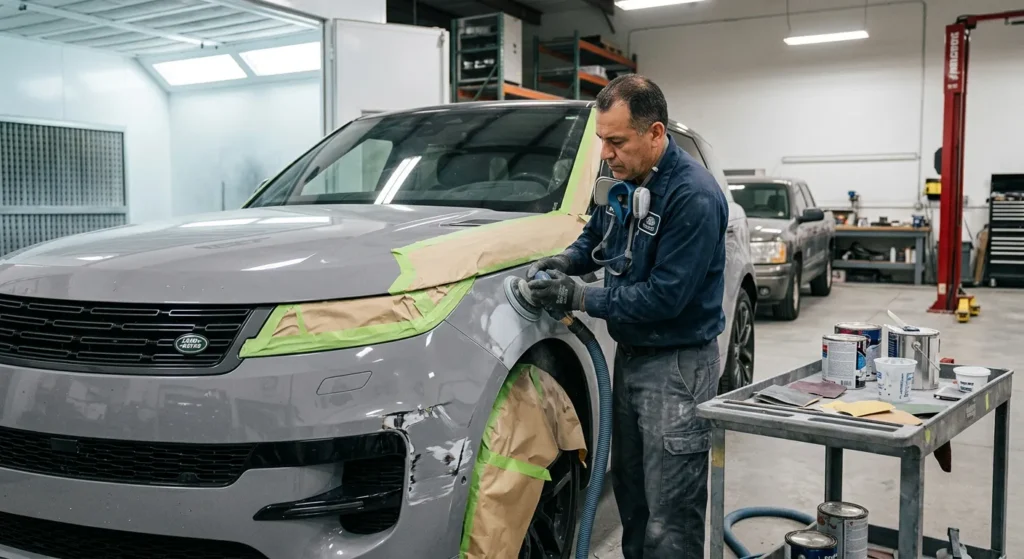
Related pages include Ceramic Coating, Paint Protection Film, Ceramic Pro Ultimate Armor, Paint Correction, and Contact Us.
How Road Salt Damages Paint in Western PA makes more sense when you know how winter road treatment works. PennDOT uses different winter materials based on the weather, road temperature, storm type, and traffic. These can include road salt, salt brine, anti-skid mixes, and pre-wetted salt.
Salt helps melt ice and lower the freezing point of water on the road. Brine can be used before or during storms to help slow snow and ice from bonding to the pavement. Anti-skid material can help when road temperatures are low and straight salt is less useful.
That is good for winter travel, but the tradeoff is vehicle exposure. Salt does not stay only on the road. It gets sprayed by tires, thrown by trucks, packed into wheel wells, and pushed into seams around lower panels. The more you drive after storms, the more salt and grime can sit on your paint.
Western PA drivers face this more often because winter weather can swing fast. A road may be treated before snow, covered in slush during the storm, then wet and salty after traffic clears it. Your vehicle can get coated even when the road looks mostly clear.
The real question is not whether salt will touch your vehicle. It will. The question is how much time salt spends sitting on the paint, wheels, glass, trim, and lower body.
Road salt damages paint when it sits on the surface and mixes with water, dirt, and road grime. Salt itself can be harsh, but the bigger issue is the dirty mix that builds up during winter. It clings to panels and finds weak spots.
Salt film grabs dust, dirt, and road debris. That can leave the paint feeling rough. If you wash the vehicle without rinsing first, the grit can drag across the surface and leave fine marks.
A chip in the paint is an opening. Salt and moisture can sit in that opening. If the chip reaches bare metal, corrosion can begin. That is why rock chips on the hood, bumper area, fenders, and rocker panels should not be ignored.
A vehicle that stays salty all winter may lose some of its clean shine. Dirt, minerals, and harsh wash habits can make the surface look tired. Black paint, dark gray paint, and deep blue paint often show this fast.
Plastic trim, rubber seals, wheels, and lower panels can all collect salt. White residue around trim edges and emblems is common in winter. If it sits too long, it can be harder to remove cleanly.
AAA warns that road salt can speed up corrosion, especially in hidden areas under the vehicle. Paint damage can create a similar concern on exterior panels when metal is exposed.
Bottom line, road salt damages paint most when a vehicle already has chips, scratches, worn protection, poor wash habits, or long gaps between winter washes.
How Road Salt Damages Paint in Western PA often shows up first in the same areas. These are the panels that get the most road spray, debris, and winter grime.
The front bumper takes salt spray, road debris, bugs, slush, and stones. It is one of the most common areas for chips and winter wear.
The leading edge of the hood and front fenders face road debris at speed. Small chips can collect here after highway driving.
Side mirrors stick out into the airflow. They get hit by small stones, salt spray, and bug splatter.
Rocker panels sit low. Tires throw slush, grit, and salt into these areas all winter. Trucks, SUVs, and Teslas often show buildup here.
The lower edges of doors can collect salty water. If drains or seams hold grime, corrosion risk can rise over time.
The back of a vehicle often traps road spray. SUVs, hatchbacks, crossovers, and Teslas can get heavy salty film on the rear glass, hatch, and bumper.
Wheels and wheel wells take the heaviest salt exposure. Brake dust, slush, road grit, and salt collect here during every winter drive.
If you only wash the panels you can see from standing height, you may miss the areas that collect the most winter grime.
Salt brine is a liquid mix that can coat roads before or during winter weather. PennDOT says brine can be used before storms and to pre-wet salt so it works faster and reduces bounce and scatter.
For drivers, brine can be frustrating because it spreads as a fine spray. It can cover the whole vehicle, including glass, paint, trim, wheels, suspension parts, and underbody areas. Once it dries, it can leave a sticky-looking film.
Here is what matters. Brine and road film can cling to the paint longer than loose dirt. If your vehicle has no ceramic coating, wax, sealant, or film protection, winter grime may bond more tightly to the surface. That can make washing slower and increase the chance of scratching during a rushed wash.
This is why road salt damages paint even when you are not driving through deep snow. A clear-looking road can still be wet with salt brine. Every vehicle in front of you can mist that salty water onto your paint.
How Road Salt Damages Paint in Western PA is easier to deal with before the damage starts. The right plan can help reduce chips, make salt easier to wash off, and keep the finish cleaner through winter.
Paint protection works best when the surface is clean and sound. If the vehicle has swirls, stains, water spots, or old wax buildup, the shop may recommend Paint Correction before coating or film.
Ceramic coating helps create a slicker surface. Salt and grime can still land on the vehicle, but they are easier to rinse and wash away when the coating is maintained properly.
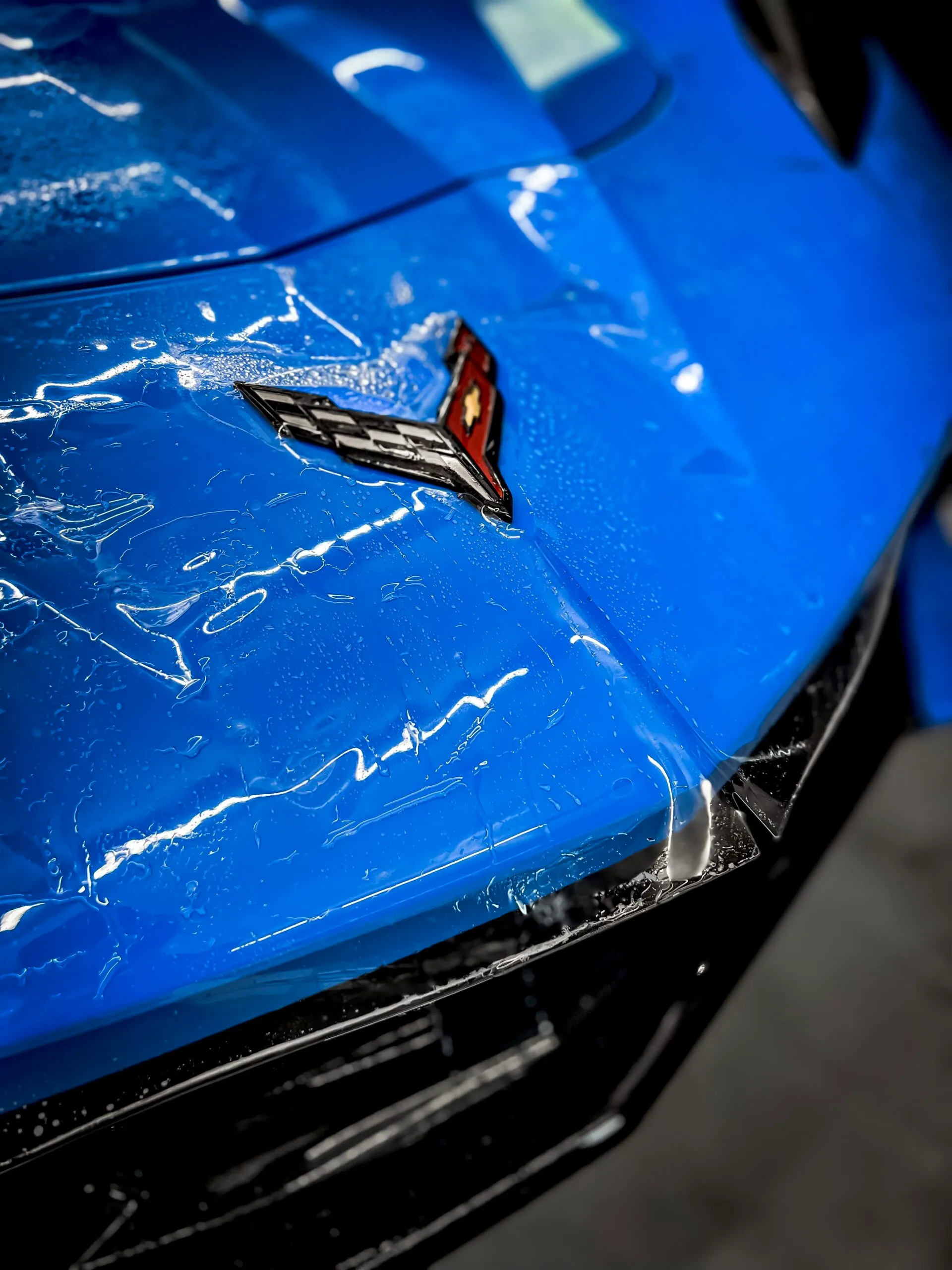
Paint protection film is a physical film layer installed over painted panels. It helps guard against rock chips, road debris, scratches, and winter wear. For Western PA roads, the front bumper, hood, fenders, mirrors, rocker panels, and door cups are smart places to consider.
Do not let salt sit for weeks. Wash when weather allows, especially after storms and after roads have been heavily treated.
Salt and grit can scratch if you drag them across the paint. Rinse loose grime first, then wash with clean mitts and towels.
Windshield chips can happen fast on winter roads. Ceramic Pro Windshield Protection Film can help add a clear protective layer against road debris.
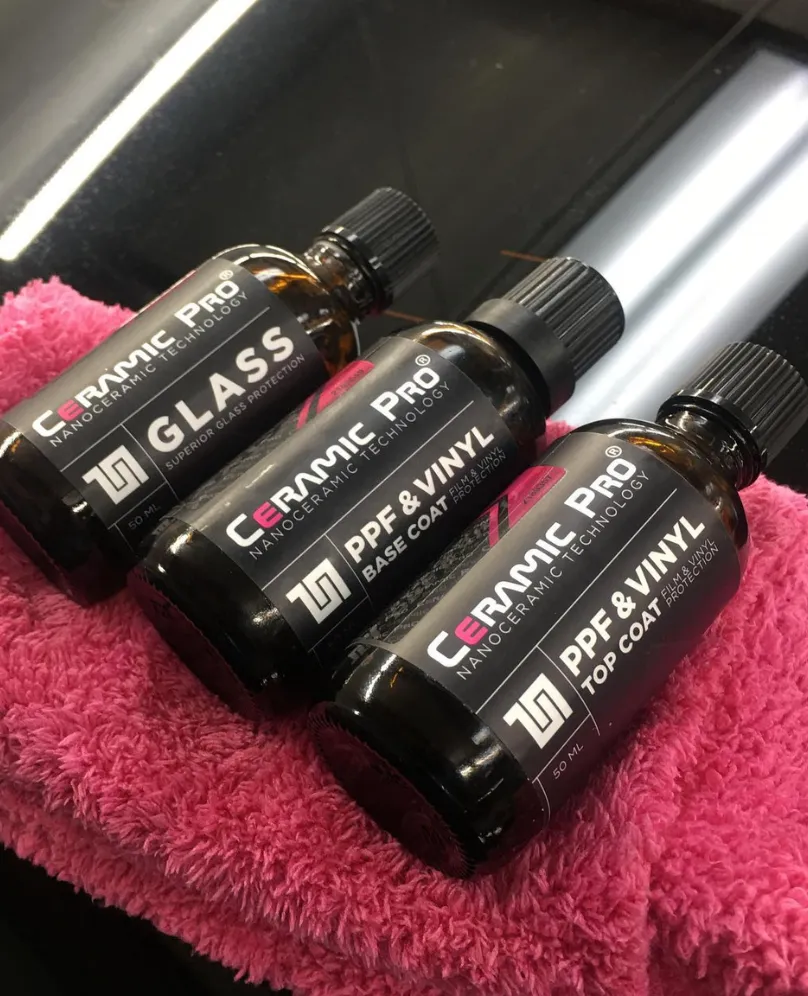
Ceramic coating helps drivers manage road salt by making paint easier to clean. It is not a rock-chip shield, and it does not replace washing. It works by adding a bonded coating layer over properly prepped paint.
Ceramic coating can help with:
For Indiana County drivers, ceramic coating is useful because winter grime often sits on the vehicle between warm wash days. When you finally wash the car, a coated surface is easier to rinse and clean than neglected bare paint.
Ceramic Pro aftercare guidance says coated vehicles still need proper washing and routine care. That point matters. Ceramic coating is a tool, not a reason to ignore the vehicle. If salt sits for too long, it can still leave the car looking rough.
Ceramic Pro Indiana County offers Ceramic Coating, Ceramic Pro ION, and Ceramic Pro LUX Interior Ceramic Coating.
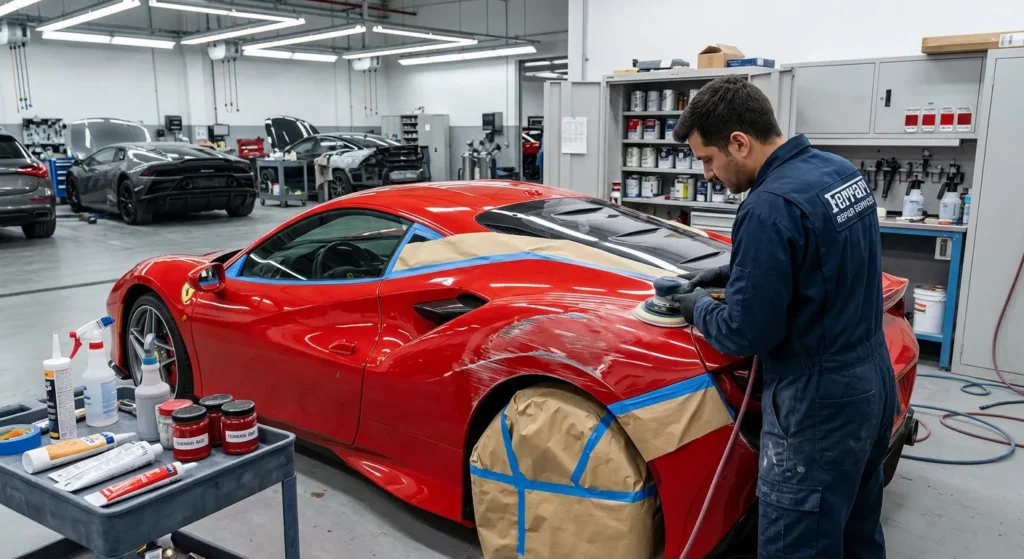
A ceramic coating package may be a good fit if you want winter grime to wash off more easily and want the paint to keep a cleaner shine through the year.
Paint protection film, often called PPF, is one of the strongest ways to fight road salt damage because it protects the paint from the chips that give salt a place to start.
A salt-covered vehicle with perfect paint is easier to clean than a salt-covered vehicle with exposed chips. Once paint is broken, winter grime can work into the damaged area. PPF helps reduce that risk by adding a clear or colored film layer over the paint.
PPF can be installed on:
For Western PA drivers, full-front PPF and rocker panel coverage can make a lot of sense. These areas take the most abuse from winter roads.
Ceramic Pro Indiana County offers Paint Protection Film, Ceramic Pro Paint Protection Film, Ceramic Pro Matte Paint Protection Film, Ceramic Pro Black Paint Protection Film, and Color PPF.
If you want a fuller exterior setup, ask about Ceramic Pro Ultimate Armor, which combines film and coating for a broader protection plan.
How Road Salt Damages Paint in Western PA is not only about winter. The damage can build over several seasons. If the paint already has swirls, haze, staining, water spots, or oxidation, protection may need prep work first.
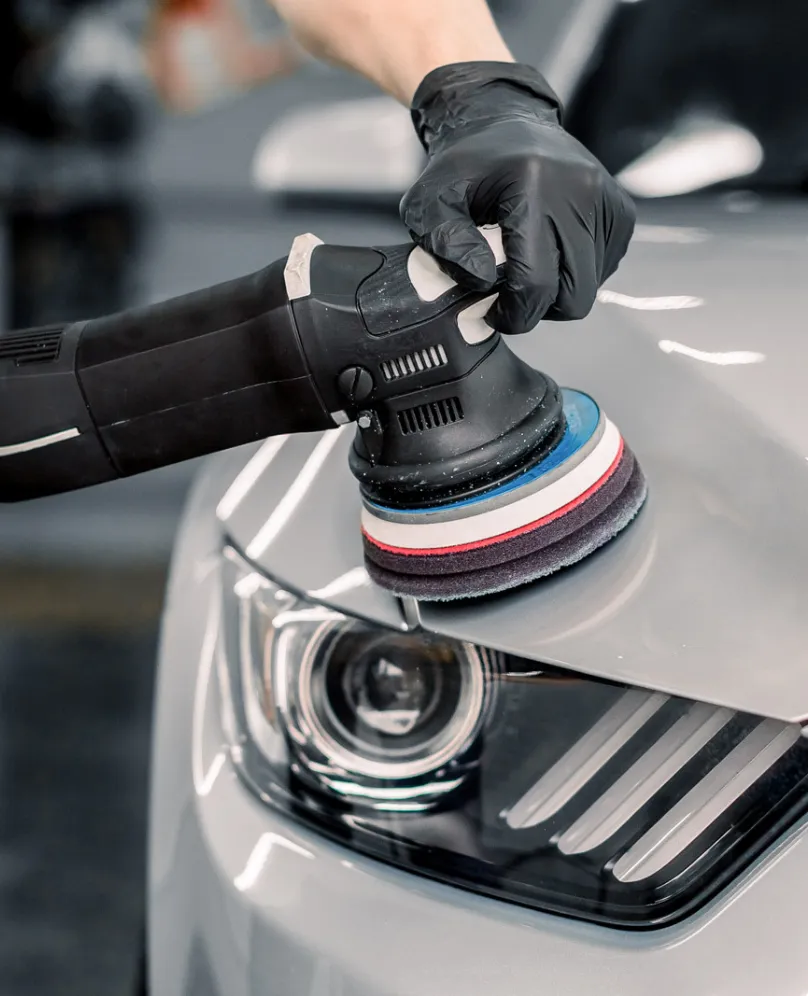
Paint correction is the process of improving the painted surface before ceramic coating, PPF, or another protection service. It can help reduce swirl marks, light scratches, haze, and dullness. It does not fix rust, dents, or failing paint, but it can make a vehicle look cleaner before protection is applied.
This matters because ceramic coating locks in the look of the surface beneath it. If the paint has defects, they may still show after coating. PPF also looks better when installed over a clean surface.
Ceramic Pro Indiana County offers Paint Correction and Tesla Paint Correction for vehicles that need surface prep before a protection package.
If your vehicle has seen several Western PA winters, schedule an inspection before choosing coating or film. The team can tell you whether correction, PPF, coating, or a mix of services makes the most sense.
Stopping road salt damage starts with washing the right way. A quick rinse is better than nothing, but a safe wash routine gives better results.
After a heavy salt event, wash as soon as temperatures and conditions allow. Waiting weeks gives salt more time to sit in seams and lower panels.
Rocker panels, wheel wells, wheels, lower doors, and the rear bumper collect the most salty grime. Rinse these areas well before contact washing.
Do not scrub salty paint with a dirty mitt. Use clean mitts and rinse them often.
Brushes can drag grit across the paint and film. Touchless washes may be less harsh, but hand washing is often safer when done correctly.
SUVs, hatchbacks, trucks, and Teslas often collect heavy road film on the rear hatch, rear glass, and bumper. Clean this area well.
Letting salty water dry on the vehicle can leave spots. Use soft, clean microfiber towels.
Salt film on the windshield can reduce visibility and wear wiper blades. Clean glass often, and replace worn blades.
If you cannot wash at home during winter, ask Ceramic Pro Indiana County about maintenance care or wash advice for your coated or filmed vehicle.
Tesla owners should pay close attention to road salt. Model 3, Model Y, Model S, Model X, and Cybertruck owners often drive year-round and may see heavy winter grime across the lower panels, bumper, wheels, and rear hatch.
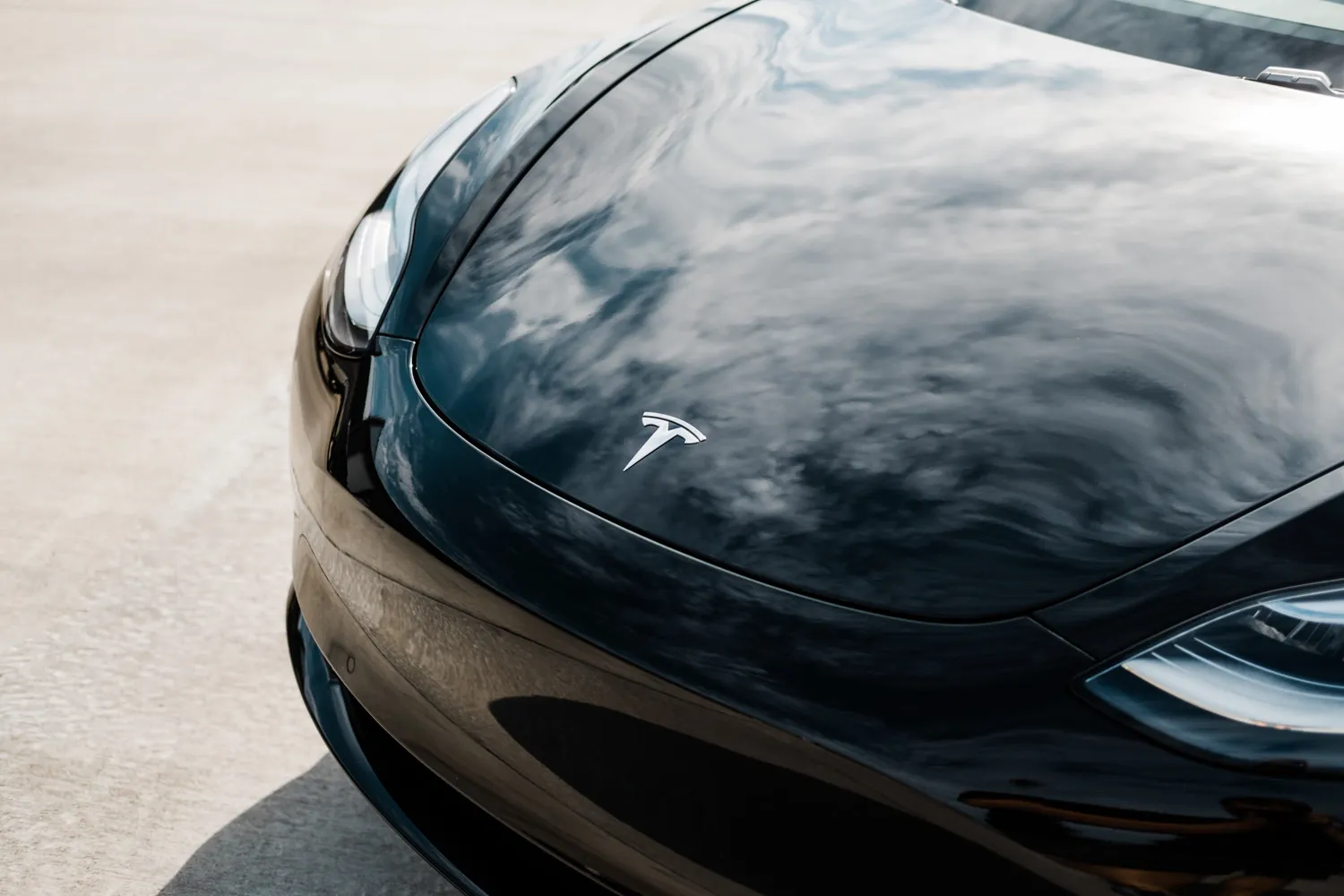
Tesla paint and body panels can show chips, dirt, and wash marks quickly, especially on darker colors. A Tesla with smooth panels and a large front end can benefit from film protection before winter roads start throwing salt and debris.
Ceramic Pro Indiana County offers Tesla service pages for:
A strong winter setup for a Tesla may include PPF on the front bumper, hood, fenders, mirrors, rocker panels, and rear impact areas, plus ceramic coating for easier washing. Windshield protection film is also worth considering because winter roads can throw stones and grit into the glass.
Tesla owners should also follow Tesla’s car wash guidance. If using an automatic wash, review Car Wash Mode in the owner’s manual before entering the wash.
How Road Salt Damages Paint in Western PA is a local problem, and Ceramic Pro Indiana County works with vehicles that face those roads every day. The shop is a Ceramic Pro certified shop, Ceramic Pro vendor, and local Ceramic Pro Elite Dealer.
The business is located at:
7515 US-119 S
Josephine, PA 15750
Business hours are Monday through Friday from 10 AM to 8 PM. Ceramic Pro Indiana County has 220 reviews and a 5-star rating. The shop also carries warranties on products and services.
Drivers visit from Josephine, PA, Indiana, PA, Johnstown, PA, Blairsville, PA, Homer City, PA, Latrobe, PA, Kittanning, PA, Ligonier, PA, Apollo, PA, Armagh, PA, Bolivar, PA, Cherry Tree, PA, Clymer, PA, Derry, PA, Ebensburg, PA, Ford City, PA, Leechburg, PA, Nanty Glo, PA, New Alexandria, PA, Punxsutawney, PA, Saltsburg, PA, Seward, PA, Winbur, PA, and nearby areas.
Ceramic Pro Indiana County services include:
If you are worried about how road salt damages paint in Western PA, the best time to act is before winter damage builds up. A clean vehicle, safe wash routine, ceramic coating, paint protection film, and windshield protection film can all help reduce long-term wear.
Call Ceramic Pro Indiana County at (724) 487-5404 during business hours, Monday through Friday from 10 AM to 8 PM. You can also visit https://ceramicproindiana.biz/contact-us/ to schedule an appointment.
Bottom line: road salt will hit your vehicle every winter in Western PA. The right protection plan helps salt wash off more easily, reduces chip-related paint damage, and keeps your vehicle looking cleaner through snow, slush, and spring cleanup.
Road salt damages paint by clinging to the surface, holding moisture, and working into chips, scratches, seams, and lower body areas. If bare metal is exposed, salt and moisture can speed up corrosion.
Wash after heavy salt exposure when weather allows. If your vehicle is coated or filmed, follow the aftercare guidance from your installer.
Ceramic coating helps salt and grime wash off more easily, but it does not make the vehicle maintenance-free. You still need regular washing.
PPF is better for rock chips and road debris. Ceramic coating is better for easier washing and surface care. Many drivers choose both.
Yes. Rocker panels sit low and collect slush, grit, and salt from the tires. PPF on rocker panels can be a smart choice for Western PA drivers.
Yes. A new vehicle can still collect salt, road grime, and chips. Protecting it early can help keep the paint in better shape.
Ceramic Pro Indiana County serves Indiana County, PA, Johnstown, PA, Blairsville, PA, Josephine, PA, and nearby areas from 7515 US-119 S, Josephine, PA 15750. Call (724) 487-5404 or visit https://ceramicproindiana.biz/contact-us/ to schedule an appointment.
At Ceramic Pro Indiana County, we offer a full range of auto protection services to keep your car looking its best—and staying protected for the long haul. From scratch-resistant film and gloss-enhancing coatings to UV-blocking window tint, we’re your certified local experts.
Explore the many services we offer by clicking the boxes below