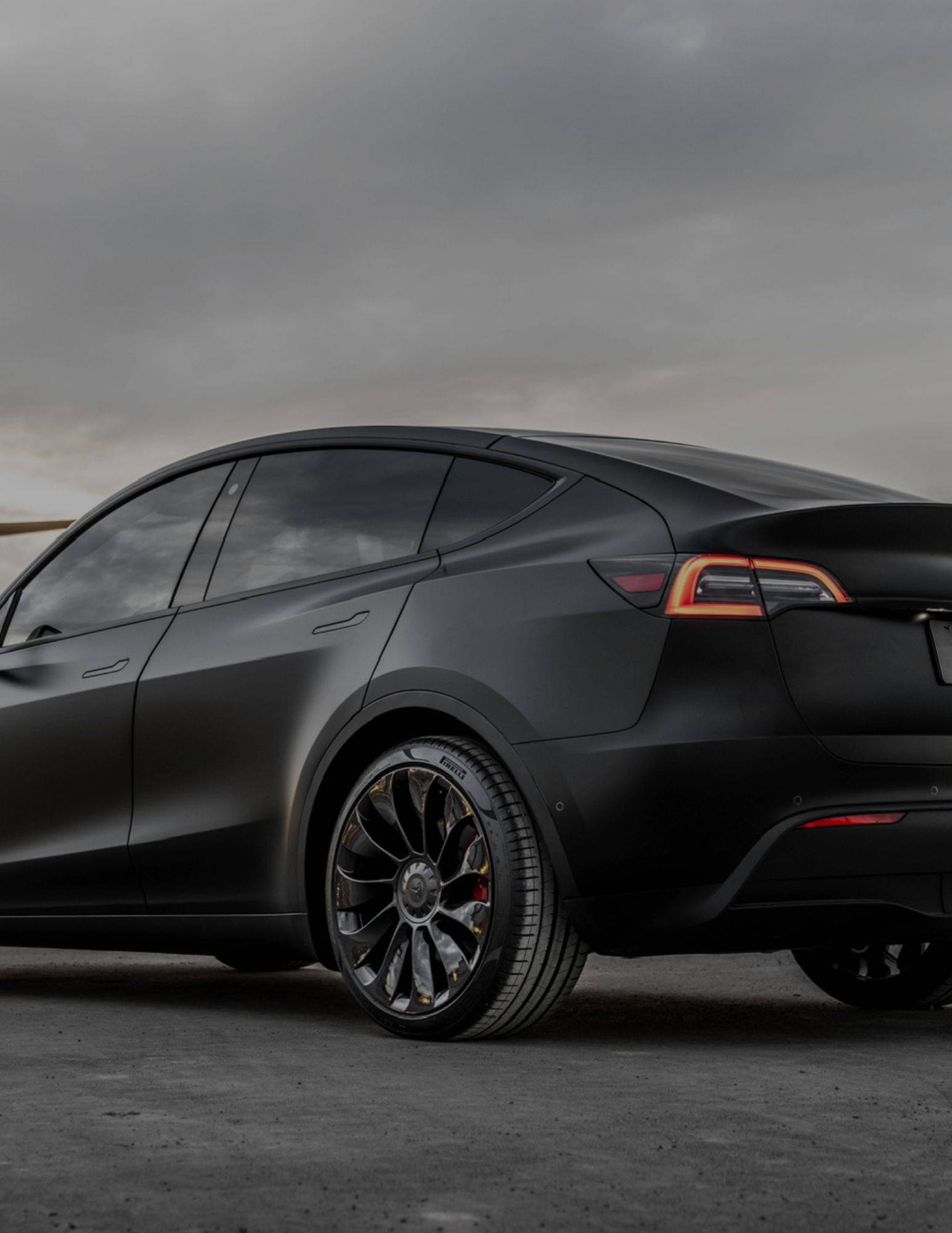
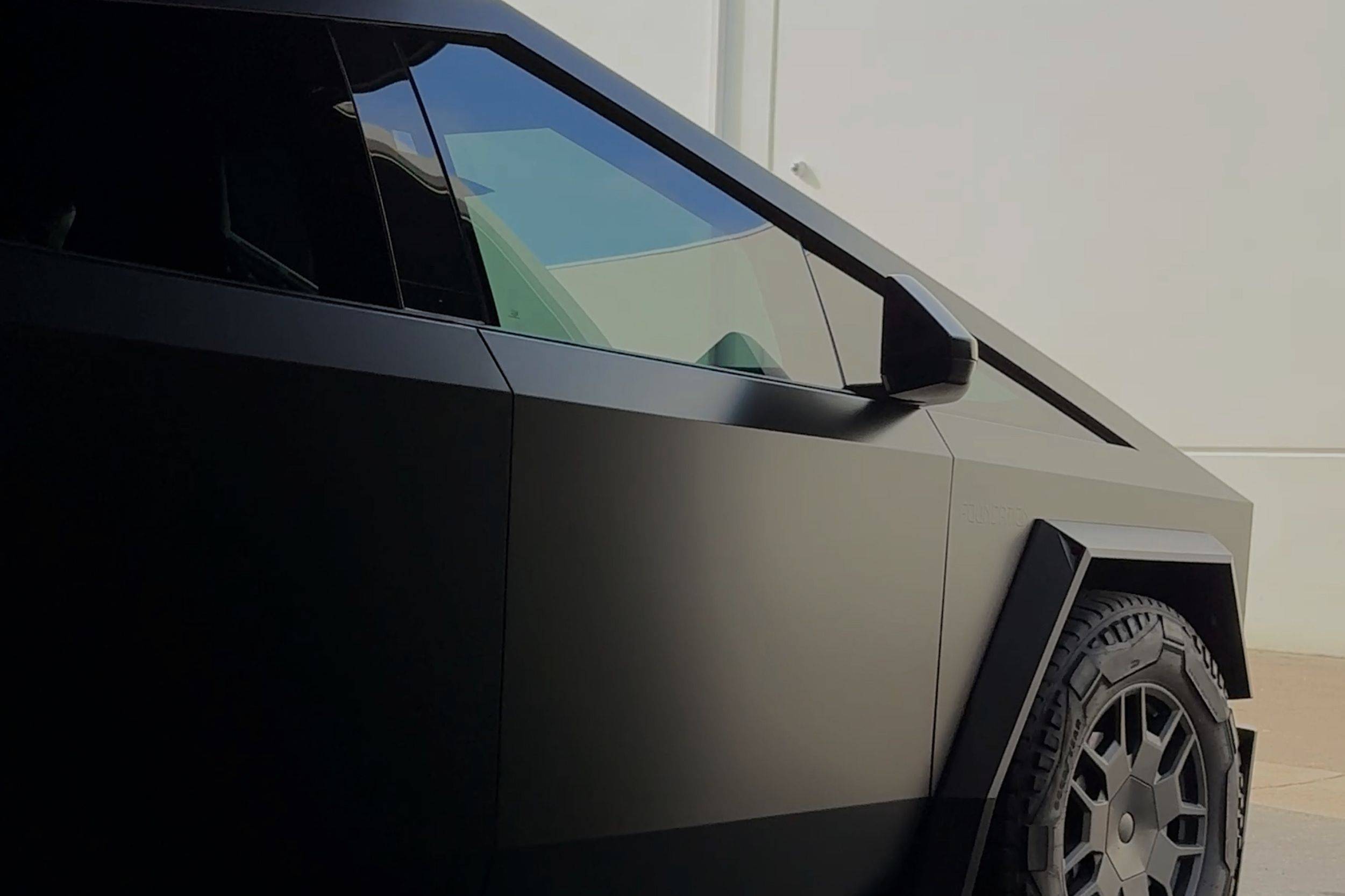
Does PPF protect against PA gravel and winter road debris? Yes, paint protection film can help protect your vehicle’s painted panels from the chips, scuffs, salt spray, grit, bug residue, and road grime that Pennsylvania drivers deal with all year. It does not make your vehicle damage-proof, but it gives the paint a clear protective film layer that takes abuse before the paint does.
At Ceramic Pro Indiana County, we install Ceramic Pro paint protection film for drivers in Josephine, PA, Indiana, PA, Johnstown, PA, Blairsville, PA, and nearby communities. We are Ceramic Pro certified, a Ceramic Pro vendor, and your local Ceramic Pro Elite Dealer. We also carry warranties on our products and services.
Here is why this topic matters. Pennsylvania roads can be hard on paint. Gravel roads, construction zones, pothole season, rural routes, winter salt, brine, and anti-skid material can all send debris toward your vehicle. If you drive daily, park outside, commute, or care about keeping your paint cleaner for longer, PPF is worth reviewing before damage builds up.
Does PPF protect against PA gravel and winter road debris? Yes, PPF is one of the best exterior film options for painted panels that face road impact. It helps protect against small stones, loose gravel, anti-skid, bug splatter, winter grime, and light surface contact from normal driving.
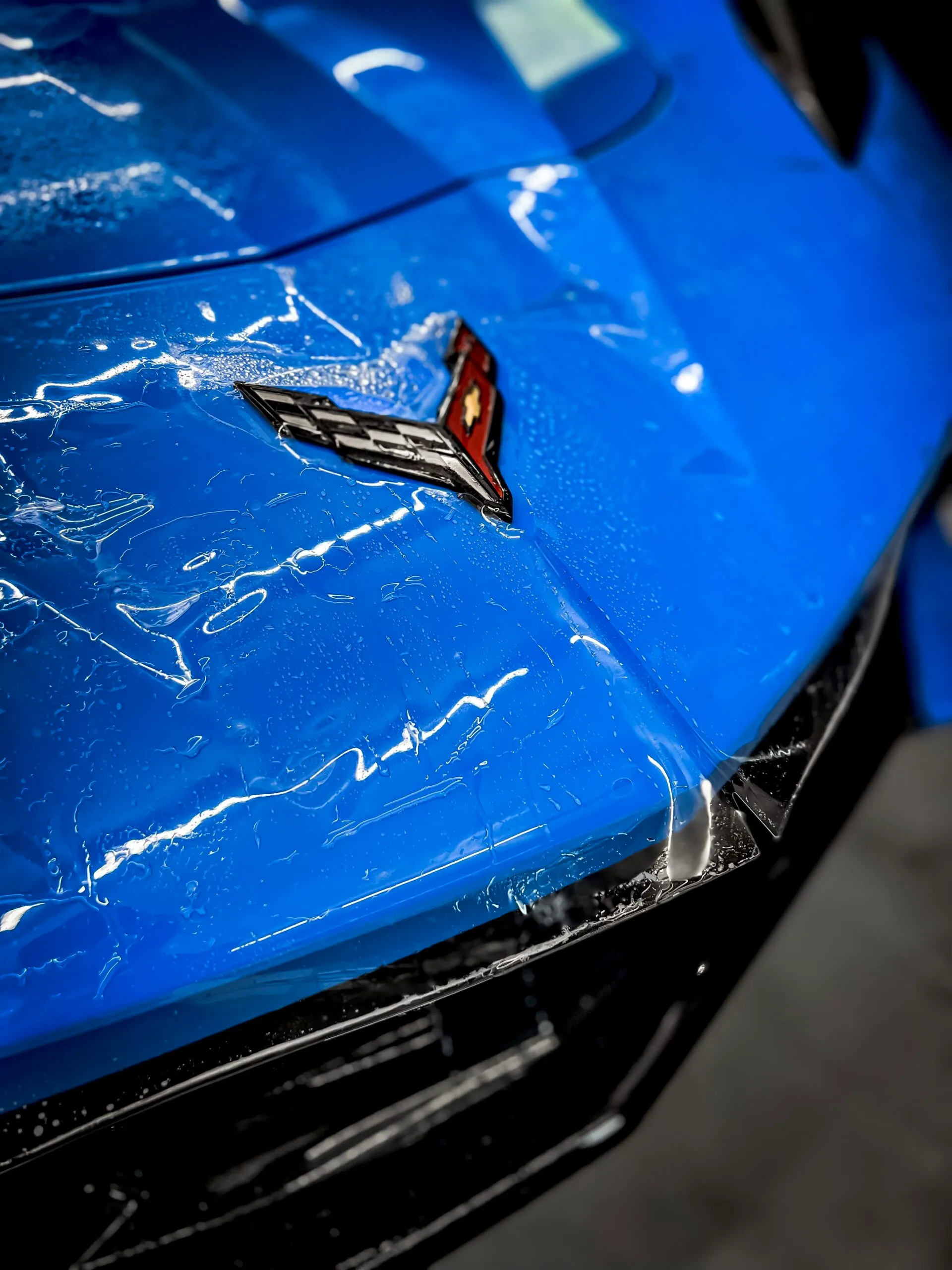
Paint protection film is a clear urethane film installed over your vehicle’s paint. Once installed, the film acts as a sacrificial layer. That means road debris hits the film first instead of hitting bare paint directly.
The real question is not whether PPF helps. It does. The better question is how much coverage you need.
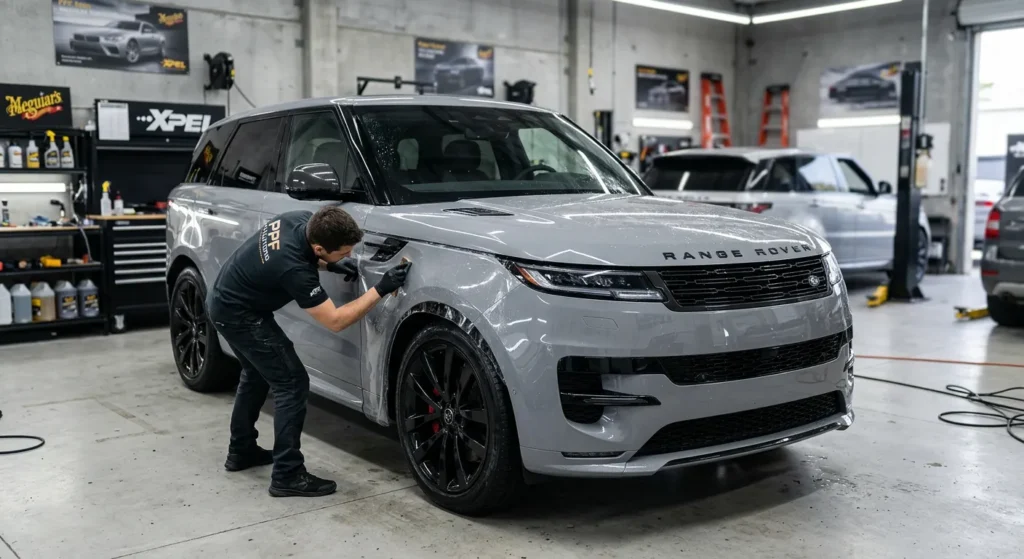
Some drivers only need high-impact areas covered. Others want full vehicle PPF because they drive often, own a newer vehicle, have dark paint, use rural roads, or want wide protection across the whole exterior.
PPF is made to protect paint from physical road wear. Ceramic Pro states that its paint protection film helps protect from rock chips, road debris, and scratches. It also lists a stain-resistant top coat that helps the film keep clarity.
For Pennsylvania drivers, that matters because road damage does not only happen on highways. It can happen on country roads, parking lots, back roads, hills, bridges, construction zones, and freshly treated winter roads.
PPF can help protect against:
PPF does not stop every possible type of damage. A large stone, hard scrape, collision, or sharp impact can still damage film or paint. Yet for normal driving, PPF gives your vehicle a much better chance against the kind of damage that shows up slowly over time.
Bottom line, PPF protect against PA gravel and winter road debris better than ceramic coating, wax, sealant, or vinyl wrap when impact protection is the main goal.
Gravel can damage paint because it hits fast and sharp. When another vehicle kicks up stones, the debris can strike your bumper, hood, fenders, mirrors, rocker panels, and doors. Even tiny chips can stand out on black, blue, red, white, and metallic paint.
Pennsylvania drivers often see gravel damage from:
Here’s what matters. Paint chips often start small, but once the paint is broken, moisture and grime can reach that spot more easily. A chip on the front bumper may be cosmetic. A chip on a hood or lower panel can become more annoying over time, especially if salt and dirt sit in it.
PPF helps because it adds thickness between the paint and the debris. Instead of a stone striking paint first, it strikes the film. In many daily driving cases, the film takes the hit and the paint underneath stays in better shape.
Winter roads bring more than snow. In Pennsylvania, winter driving often means salt, salt brine, anti-skid material, slush, ice chunks, muddy water, and grit. PennDOT notes that road treatment can include salt and salt brine, and that salt and anti-skid mixes may be used under certain winter road conditions.
FHWA describes anti-icing as applying a chemical freezing-point depressant before snow and ice bond to the road. That helps roads stay safer, but the leftover spray can be rough on vehicles.
Winter road debris can hurt paint in several ways:
This is why many drivers ask, does PPF protect against PA gravel and winter road debris? The answer is yes, when the right panels are covered and the film is cared for correctly.
PPF is especially helpful in winter because it protects the areas most likely to get blasted by road spray. These areas include the front bumper, hood, mirrors, fenders, rocker panels, and lower doors.
If your goal is protection from gravel and winter debris, coverage matters. A small strip of film may help, but it will not protect the areas left uncovered. The best PPF setup depends on how you drive and where damage is most likely.
The front bumper takes the most direct hits from gravel, salt spray, bugs, and road debris. This is one of the first areas we recommend protecting.
The hood can collect rock chips and bug marks. Full hood PPF gives cleaner coverage than partial hood film because it avoids a visible line across the panel.
Front fenders sit close to tire spray and forward road debris. They pair well with full hood and bumper coverage.
Mirrors take direct hits from bugs, gravel, and winter grime. PPF can help protect painted mirror caps.
Rocker panels are very important for Pennsylvania vehicles. They sit low and get blasted by slush, salt, mud, and stones from the tires.
Lower doors see road spray, winter grime, and kicked-up debris. Trucks, SUVs, and daily drivers often benefit from lower door coverage.
The rear bumper can get scratched by groceries, tools, bags, pets, and cargo. PPF can help protect this high-use area.
Door cups collect fingernail marks. Door edges can get nicked in tight parking spaces. These small areas are worth adding for daily drivers.
If you want PPF protect against PA gravel and winter road debris in the places that get hit most, start with the front end and lower panels.
Full front PPF and full vehicle PPF both work well, but they serve different goals.
Full front PPF focuses on the most exposed areas. This package often includes the front bumper, full hood, full fenders, mirrors, and sometimes headlights, door cups, or door edges.
Full front PPF is a great fit if:
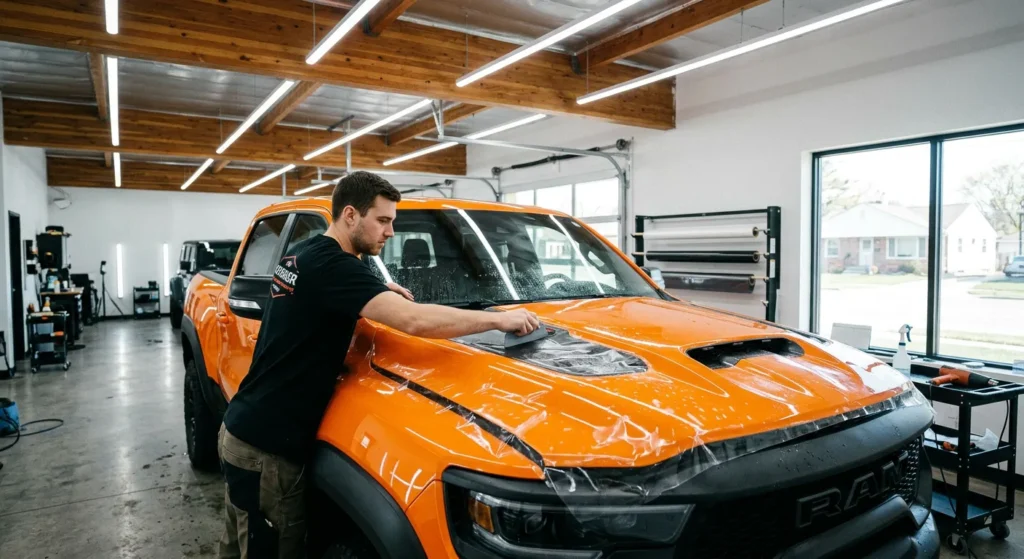
For many drivers in Indiana, PA, Johnstown, PA, and Blairsville, PA, full front PPF is the right starting point.
Full vehicle PPF covers painted panels across the whole exterior. It protects more than the front end, including doors, rear quarters, rocker areas, rear bumper, hatch, trunk, and other painted panels.
Full vehicle PPF is a better fit if:
If you are asking, does PPF protect against PA gravel and winter road debris across the whole vehicle, full vehicle PPF gives the widest answer. It protects more panels from more types of exposure.
No, ceramic coating does not replace PPF when you want protection from gravel and road debris.
Ceramic coating is great for gloss, slickness, and easier washing. It can help road grime and salt residue release more easily during cleaning. It can also make the vehicle look better and stay cleaner between washes.
PPF is different. PPF is a physical film layer. It is better for impact protection from gravel, stones, anti-skid, and road debris.
Here is the simple way to compare them:
Many drivers choose both. A common setup is full front PPF with ceramic coating on the rest of the vehicle. Another strong option is full vehicle PPF with ceramic coating over the film.
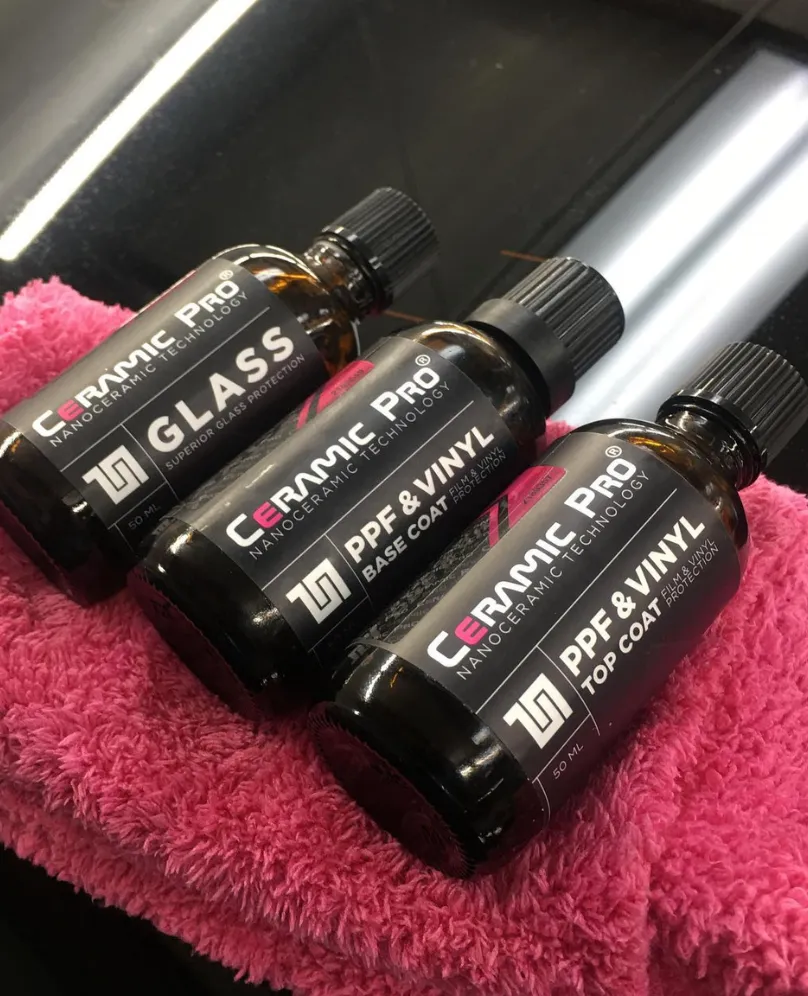
You can review our ceramic coating service, Ceramic Pro ION, and Ceramic Pro Ultimate Armor if you want easier cleaning along with film protection.
Ceramic Pro Indiana County offers several PPF options for local drivers who want better protection against Pennsylvania roads.
Relevant services include:
We also help Tesla owners with vehicle-specific services:
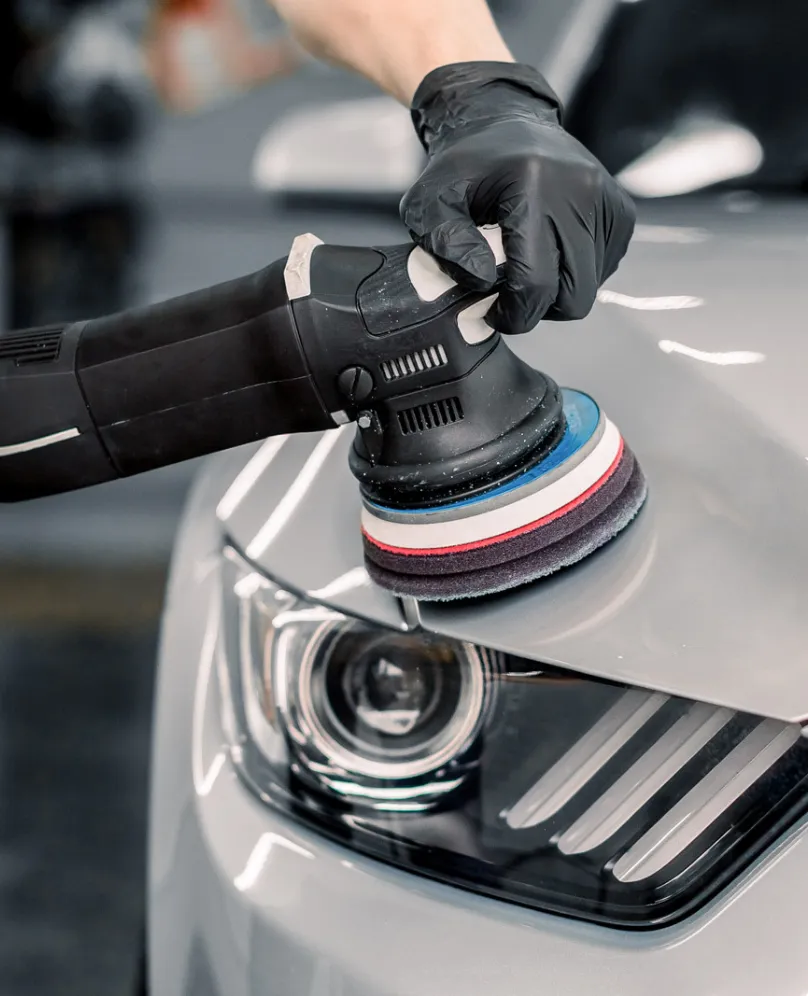
If your paint already has swirl marks, haze, or light defects, ask about paint correction before film or coating. Good prep helps the final result look cleaner.
PPF makes a major difference, but care still matters. If you want PPF protect against PA gravel and winter road debris for the long run, keep the vehicle clean and avoid harsh wash habits.
After roads dry and temperatures allow, wash the vehicle to remove salt, brine, mud, and grit. Pay extra attention to rocker panels, lower doors, wheel arches, and rear areas.
Dirty brushes can drag grit across film and paint. Use a gentle wash method when possible.
Do not aim a pressure washer directly into film edges. Keep the nozzle at a safe distance and spray across the surface, not into seams.
Bug residue can stain if it sits too long. PPF helps, but quick cleaning is still better.
Dirty towels can scratch film. Use clean, soft microfiber towels for drying and touchups.
Ceramic coating over PPF can make washing easier. It can help winter grime release with less effort.
After a hard winter, inspect the bumper, mirrors, lower doors, and rocker panels. If film took a hit, contact the shop so it can be reviewed.
PPF is a protective layer, and like any protective layer, it works best when it is maintained.
So, does PPF protect against PA gravel and winter road debris? Yes. PPF is one of the strongest ways to protect painted panels from the daily abuse of Pennsylvania roads. It helps defend against gravel chips, anti-skid, road grit, salt spray, bug residue, and light scratches.
Ceramic Pro Indiana County is located at 7515 US-119 S, Josephine, PA 15750. We serve drivers from Josephine, PA, Indiana, PA, Johnstown, PA, Blairsville, PA, and nearby areas. Our shop is open Monday through Friday from 10 AM to 8 PM.
If you want help choosing between front-end PPF, rocker panel protection, full vehicle PPF, color PPF, ceramic coating, or Tesla PPF, our team can walk you through the options.
Call Ceramic Pro Indiana County at (724) 487-5404 or visit https://ceramicproindiana.biz/contact-us to schedule an appointment.
Yes. PPF helps protect painted panels from gravel, small stones, anti-skid material, salt spray, bug residue, and road debris. It does not make the vehicle damage-proof, but it adds a clear film layer that takes abuse before the paint does.
Yes, PPF is better for gravel protection because it is a physical film layer. Ceramic coating helps with gloss and easier washing, but it does not absorb rock impacts like PPF.
The front bumper, full hood, full fenders, mirrors, rocker panels, and lower doors are smart areas to protect first. These panels take the most abuse from gravel, road spray, and winter debris.
PPF can help protect painted panels from direct contact with salt spray and winter grime. You still need to wash the vehicle regularly because salt can build up on film, trim, wheels, and uncovered areas.
Full front PPF is great for the highest-hit areas, such as the bumper, hood, fenders, and mirrors. Full vehicle PPF is better if you want wider protection across doors, rockers, rear panels, and other painted areas.
Yes. Ceramic Pro Indiana County offers Tesla paint protection film, Tesla ceramic coating, Tesla Cybertruck PPF, Tesla color PPF, and other Tesla services for local owners.
Call Ceramic Pro Indiana County at (724) 487-5404 or visit https://ceramicproindiana.biz/contact-us to schedule an appointment.
At Ceramic Pro Indiana County, we offer a full range of auto protection services to keep your car looking its best—and staying protected for the long haul. From scratch-resistant film and gloss-enhancing coatings to UV-blocking window tint, we’re your certified local experts.
Explore the many services we offer by clicking the boxes below