Ceramic Window Tint vs Standard Tint is a common question for Pennsylvania drivers who want less heat, less glare, more comfort, and a cleaner look. At first, window tint may seem simple. Pick a shade, install the film, and enjoy darker glass. The real choice is not that simple.
The type of film matters. Standard tint can give a darker look and some glare control. Ceramic tint is made for drivers who want better heat rejection, UV blocking, clarity, and comfort without relying only on a very dark shade. That matters in Pennsylvania because tint laws can limit how dark certain windows may be.
Drivers near Indiana, PA, Johnstown, PA, Blairsville, PA, Josephine, PA, and western Pennsylvania often deal with sun glare, winter glare, hot cabins, and changing weather. A good tint setup should help the vehicle feel better while keeping visibility and Pennsylvania rules in mind.
Ceramic Pro Indiana County installs Ceramic Pro window tint from 7515 US-119 S, Josephine, PA 15750. The shop is a Ceramic Pro certified shop, Ceramic Pro vendor, and local Ceramic Pro Elite Dealer. The team works with window tint, paint protection film, ceramic coating, windshield protection film, vinyl wrap, paint correction, and Tesla services.
For related pages, visit Window Tint, Ceramic Pro Ceramic IR Window Tint, Ceramic Pro Ultimate IR Window Tint, Ceramic Pro Carbon X Window Tint, and Contact Us.
Standard tint is a broad term. Many drivers use it to mean a regular dyed or entry-level film. It is often chosen because it darkens the windows and improves the look of the vehicle. It may also reduce some glare and add privacy where Pennsylvania law allows it.
A standard tint may be a fit if you want:
The catch is that standard tint may not handle heat as well as ceramic tint. A darker standard film can look good, but darkness alone does not always mean better cabin comfort. A vehicle can still feel hot if the film does not block much infrared heat.
Standard tint may also have shorter life, weaker heat rejection, or more fading risk depending on the film used. That is why it helps to ask what type of film is being installed, not just what shade it is.
When comparing Ceramic Window Tint vs Standard Tint, the right question is not, “Which tint looks darker?” The better question is, “Which film gives the comfort, clarity, heat rejection, and legal fit I need?”
Ceramic window tint is made with ceramic-based film technology rather than basic dyed film. Ceramic Pro says its Ceramic IR window film uses nano-ceramic technology with an IR layer to deliver heat rejection, glare control, UV protection, and metal-free signal clarity.
That makes ceramic tint a strong choice for Pennsylvania drivers who care about comfort. It can help reduce heat without needing to go extremely dark. This matters because PennDOT lists light transmittance rules that drivers need to understand before choosing a shade.
Ceramic tint may be a fit if you want:
Ceramic Window Tint vs Standard Tint often comes down to how the vehicle is used. If you only want a darker appearance, standard tint may sound tempting. If you want cabin comfort, heat control, and a more refined film, ceramic tint is usually the better option.
This is especially true for black interiors, leather seats, family vehicles, trucks, SUVs, and Teslas with large glass areas.
Heat rejection is one of the biggest reasons drivers compare Ceramic Window Tint vs Standard Tint. A parked vehicle can heat up quickly in the sun, even in Pennsylvania. Dark dashboards, black seats, large rear glass, and panoramic roofs can make the cabin feel hotter.
Standard tint can reduce some sunlight and glare, but it may not block infrared heat as well as ceramic tint. Ceramic tint is built to target heat from sunlight more directly. That means you may get better cabin comfort without needing the darkest possible shade.
Here is why this matters for Pennsylvania tint rules. PennDOT’s April 2025 Vehicle Window Tint Fact Sheet lists 70% total minimum light transmittance for windshields and front side windows across vehicle types. For 1998 and newer passenger cars, it also lists 70% for rear side windows and the rear window.
If the law limits how dark a window can be, film technology becomes more valuable. A lighter ceramic tint may still help with heat better than a darker standard tint with weaker heat rejection.
Ceramic Pro says Ceramic IR can reject up to 88% of IR with 70% VLT. Ceramic Pro also says Carbon X uses nanocarbon particles and IR blocking materials and shows 74% film-only infrared blocking. These numbers help show why film type can matter as much as shade.
For drivers in Indiana, PA, Johnstown, PA, Blairsville, PA, and Josephine, PA, ceramic tint can make daily driving more comfortable in summer sun, low winter sun, and long commutes.
Ceramic Window Tint vs Standard Tint also matters for glare. Glare can make driving tiring. It can come from the sun, headlights, wet roads, snow, and shiny pavement.
Standard tint can help reduce glare because it darkens the glass. Ceramic tint can also reduce glare while giving stronger heat rejection and clearer film technology. The best choice depends on the shade, vehicle type, and how the driver uses the vehicle.
Pennsylvania drivers often deal with glare during:
A good tint setup should reduce harsh light without making nighttime visibility uncomfortable. Too dark can be hard to live with, especially on back roads. Too light may not give the look or glare control you want. The right film should balance comfort, visibility, and law.
Ceramic Pro Indiana County can help you compare shades and film types before install. If glare is your main concern, the shop can walk through the best choices for your windshield, front side windows, rear windows, and back glass based on your vehicle type.
Privacy is a common reason drivers compare Ceramic Window Tint vs Standard Tint. Both can add privacy when the right shade is used. The legal side is where drivers need to be careful.
PennDOT’s Vehicle Window Tint Fact Sheet lists different rules for passenger cars, trucks, and multi-purpose passenger vehicles. For 1998 and newer passenger cars, PennDOT lists 70% total minimum light transmittance for the windshield, front side windows, rear side windows, and rear window.
For trucks and multi-purpose passenger vehicles, PennDOT lists 70% total minimum light transmittance for the windshield and front side windows. It lists no requirement for rear side windows and the rear window for that vehicle class.
That means privacy choices can depend on what you drive. A sedan may have different limits than an SUV, van, or truck. Factory glass also matters because the final VLT is based on the glass and tint together.
Pennsylvania Title 75, Section 4524 also restricts sun screening materials that do not allow a person to see or view inside the vehicle through the windshield, side wing, or side window unless a listed exception applies.
Bottom line: do not pick tint by shade alone. Ask Ceramic Pro Indiana County to explain how Pennsylvania rules apply to your car, SUV, truck, van, or Tesla before choosing the film.
Ceramic Window Tint vs Standard Tint is also worth comparing for UV protection and interior care. Sun exposure can affect seats, dashboards, door panels, trim, and other interior surfaces over time.
Ceramic Pro says Carbon X blocks over 99% of harmful UV rays. Ceramic Pro also describes Ceramic IR as offering UV protection along with heat rejection and glare control. That makes higher-grade films a strong choice for drivers who want to protect the cabin, not just darken the windows.
UV protection can help with:
Standard tint may offer some UV protection depending on the film, but you should ask for the film details. Do not assume all tint protects the same way. The film type, brand, and warranty matter.
If your vehicle has leather, vinyl, dark trim, light-colored seats, or a Tesla-style interior, ceramic tint can be a smart part of a larger care plan. It can also pair with Ceramic Pro LUX Interior Ceramic Coating for drivers who want help protecting interior surfaces.
Ceramic Window Tint vs Standard Tint can also affect drivers who care about modern vehicle electronics. Many vehicles rely on phones, GPS, Bluetooth, satellite radio, keyless systems, toll devices, and driver tech. Some older metallic films may interfere with signals.
Ceramic Pro describes Ceramic IR as metal-free and says it supports signal clarity for electronic devices. Ceramic Pro also describes Carbon X as non-metal and carbon-infused, without interfering with GPS, radio, or cell signals.
This is worth asking about if you drive:
The real question is not just whether the film looks good. It is whether it works well with the way you use your vehicle every day.
Ceramic tint is often a safer bet for drivers who want comfort and modern tech compatibility. Standard film can vary, so ask what it is made of before installation.
Ceramic Pro Indiana County offers several tint choices for drivers comparing Ceramic Window Tint vs Standard Tint. The right film depends on your goals, vehicle type, shade preference, and Pennsylvania rules.
Ceramic Pro Ceramic IR Window Tint is a strong choice for drivers who want heat rejection, glare control, UV protection, and clear visibility. It is a good fit for daily drivers, family vehicles, trucks, SUVs, and Teslas.
Ceramic Pro Ultimate IR Window Tint is for drivers who want high-end heat control and comfort. It can be a fit for vehicles with large glass areas, dark interiors, or owners who care most about cabin heat.
Ceramic Pro Ceramic X Window Tint gives another ceramic film option for drivers comparing comfort and clarity.
Ceramic Pro Carbon X Window Tint can be a strong middle-ground film. Ceramic Pro says Carbon X uses nanocarbon particles and IR blocking materials and blocks over 99% of UV rays.
Ceramic Pro Carbon CS Window Tint can be a good fit for drivers who want a clean look and carbon film option.
If you are unsure which option fits your vehicle, Ceramic Pro Indiana County can compare the films in person.
Ceramic Window Tint vs Standard Tint can look different depending on the vehicle.
Passenger cars in Pennsylvania can have stricter rear-window rules than many drivers expect. For 1998 and newer passenger cars, PennDOT lists 70% total minimum light transmittance for the windshield, front side windows, rear side windows, and rear window. This makes ceramic tint useful because it can help with comfort even at lighter VLT levels.
Trucks and multi-purpose passenger vehicles have more flexibility on rear side windows and rear glass under PennDOT’s fact sheet, while the windshield and front side windows are listed at 70%. For trucks and SUVs, many drivers choose a balanced setup that gives comfort, privacy, and a clean look.
Family vehicles often benefit from ceramic tint because rear passengers deal with sun, glare, and heat. A quality film can help kids and passengers feel more comfortable.
Work trucks and vans often sit outside and carry tools or gear. Tint can help with comfort and privacy where allowed.
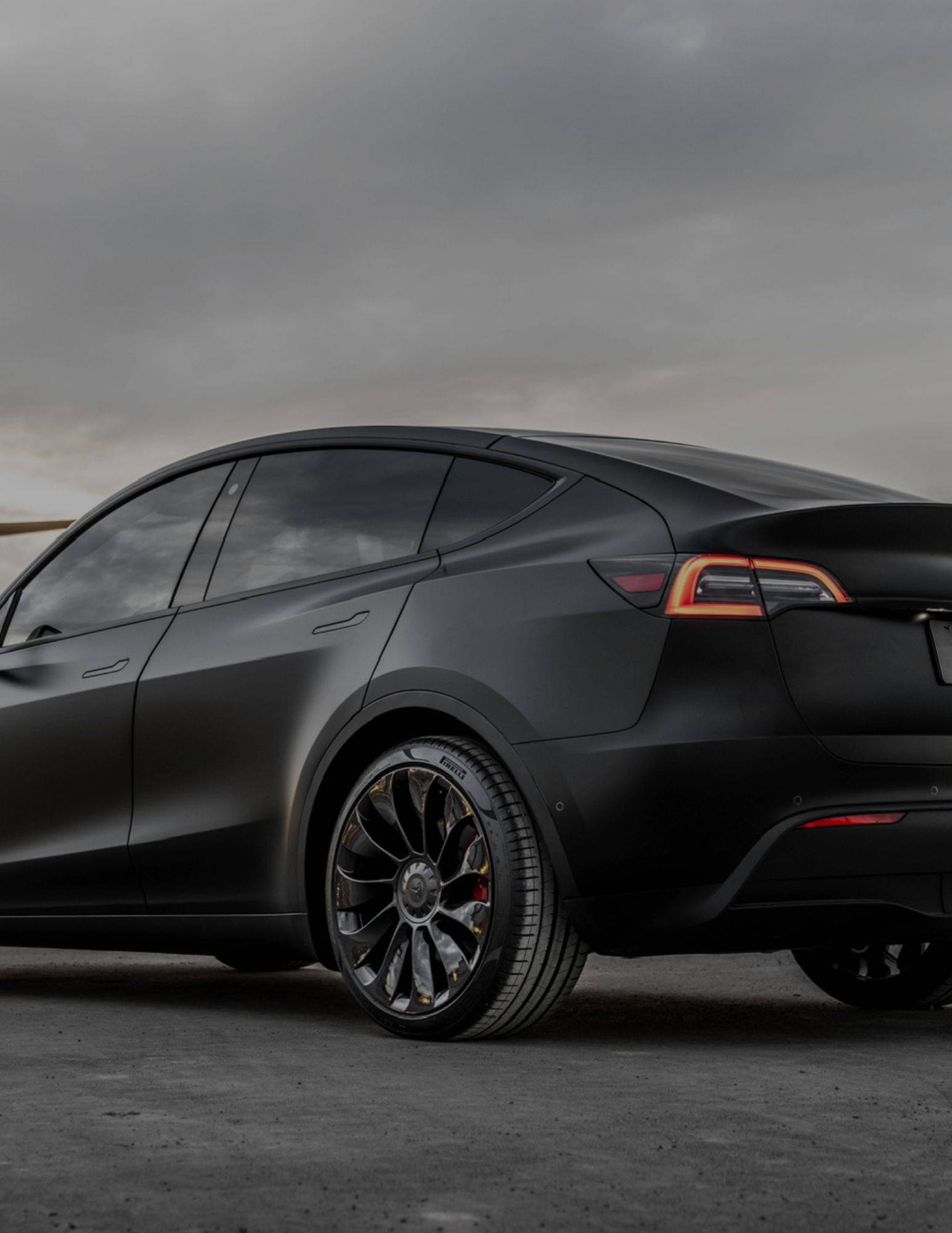
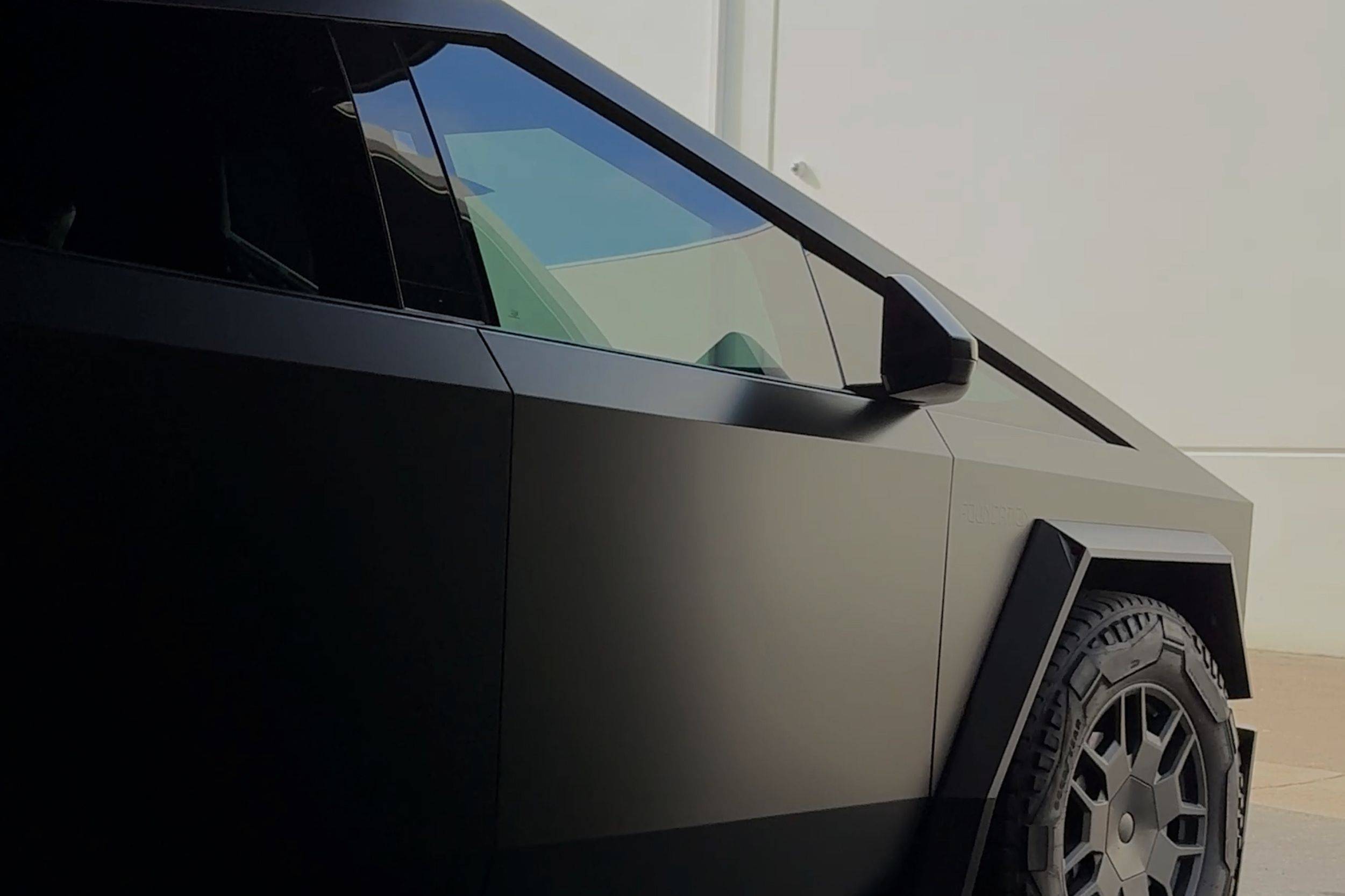
Tesla owners often benefit from ceramic tint because Model 3, Model Y, Model S, Model X, and Cybertruck have large glass areas. Ceramic Pro Indiana County offers Tesla Window Tinting and Tesla Cybertruck Window Tint.
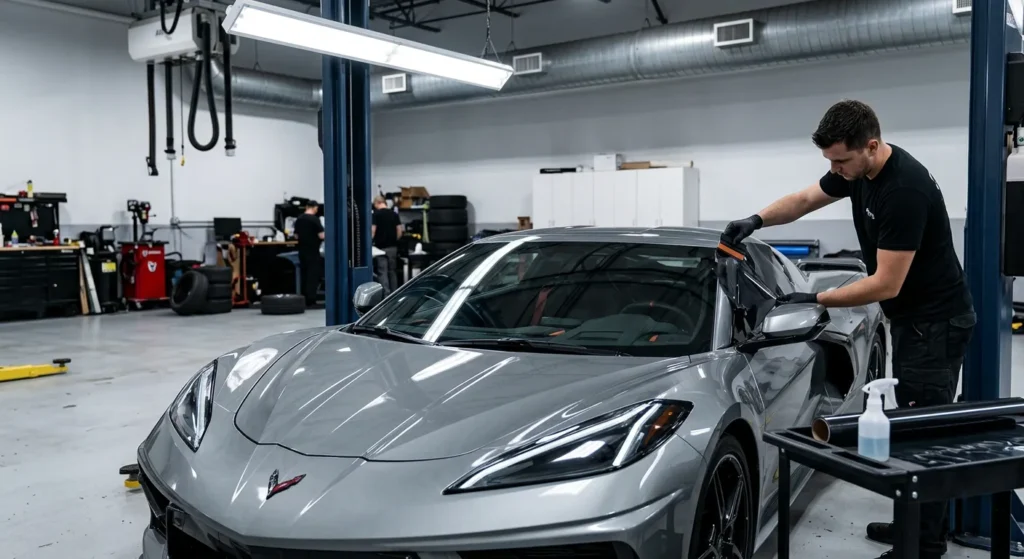
Tesla owners may also pair tint with Tesla Paint Protection Film, Tesla Ceramic Coating, or Tesla Color PPF.
Ceramic Window Tint vs Standard Tint often brings up cost. Ceramic tint usually costs more than entry-level standard tint because the film technology is more advanced and the comfort benefits are stronger. The right quote depends on the vehicle and the film package.
Ceramic Pro Indiana County can review your vehicle and explain options. Call (724) 487-5404 or visit https://ceramicproindiana.biz/contact-us/ to schedule an appointment.
Common cost factors include:
Ceramic IR, Ultimate IR, Ceramic X, Carbon X, Carbon CS, and standard film choices can differ by material and performance.
A coupe, sedan, truck, SUV, van, Tesla, and Cybertruck all have different glass layouts.
Front two windows, full vehicle tint, rear glass, roof glass, and windshield film all change the job.
Old bubbling, faded, purple, scratched, or peeling tint may need removal before new film is installed.
Large rear glass, curved glass, frameless windows, roof glass, and Tesla glass can take more time.
Some drivers want the darkest setup allowed. Others want heat rejection with a lighter legal-friendly film. Your goal affects the package.
Many drivers pair tint with Ceramic Coating, Paint Protection Film, Windshield Protection Film, or Paint Correction.
The best way to compare cost is to compare what the film actually does, how it is installed, and what warranty comes with it.
Ceramic Window Tint vs Standard Tint both need proper care after installation. New film needs time to dry and settle. During this period, haze or small water pockets may be visible. Your installer can explain what is normal.
Use these care tips:
Do not roll windows down until the shop says it is safe. Moving the glass too soon can damage fresh film.
Use safe glass cleaner and soft microfiber towels. Avoid ammonia-based cleaners unless the installer says the product is safe.
Cold or wet weather can slow drying time. Give the film time to settle before judging the final look.
If you see an issue, call the shop. Picking at an edge can make a small concern worse.
Seatbelt buckles, pet carriers, boxes, tools, and sports gear can scratch film if they hit the glass.
Ceramic Pro Indiana County carries warranties on products and services. Ask what applies to your chosen tint package.
With good care, ceramic tint can keep the vehicle looking cleaner and feeling more comfortable for a long time.
Ceramic Window Tint vs Standard Tint should be explained by a shop that understands film types, Pennsylvania tint rules, clean installation, Tesla glass, and local driving needs. Ceramic Pro Indiana County is a Ceramic Pro certified shop, Ceramic Pro vendor, and local Ceramic Pro Elite Dealer.
The shop is located at:
7515 US-119 S
Josephine, PA 15750
Business hours are Monday through Friday from 10 AM to 8 PM. Ceramic Pro Indiana County has 220 reviews and a 5-star rating. The shop carries warranties on products and services.
Drivers visit from Josephine, PA, Indiana, PA, Johnstown, PA, Blairsville, PA, Homer City, PA, Latrobe, PA, Kittanning, PA, Ligonier, PA, Apollo, PA, Armagh, PA, Bolivar, PA, Cherry Tree, PA, Clymer, PA, Derry, PA, Ebensburg, PA, Ford City, PA, Leechburg, PA, Nanty Glo, PA, New Alexandria, PA, Punxsutawney, PA, Saltsburg, PA, Seward, PA, Winbur, PA, and nearby areas.
Related pages include:
If you are comparing Ceramic Window Tint vs Standard Tint, start with your real goal. Do you want heat rejection, glare control, privacy, legal fit, style, UV protection, or a mix of those benefits? Then bring your vehicle to a shop that can explain film choices and Pennsylvania rules.
Call Ceramic Pro Indiana County at (724) 487-5404 during business hours, Monday through Friday from 10 AM to 8 PM. You can also visit https://ceramicproindiana.biz/contact-us/ to schedule an appointment.
Bottom line: standard tint can give a darker look, but ceramic tint is often the better choice for Pennsylvania drivers who want comfort, heat rejection, clarity, and a legal-friendly setup.
For many drivers, yes. Ceramic tint usually offers better heat rejection, UV protection, clarity, and comfort than basic standard tint.
No. Ceramic tint can help reject heat even in lighter shades. This is helpful in Pennsylvania, where certain windows may need to stay at 70% total light transmittance.
Ceramic tint can be legal when the final glass and film combination meets Pennsylvania light transmittance rules. Ask Ceramic Pro Indiana County which options fit your vehicle.
PennDOT lists 70% total minimum light transmittance for windshields and front side windows. For 1998 and newer passenger cars, PennDOT also lists 70% for rear side windows and the rear window.
PennDOT lists no requirement for rear side windows and rear windows on trucks and multi-purpose passenger vehicles. The windshield and front side windows are still listed at 70%.
Ceramic Pro says Ceramic IR is metal-free and supports signal clarity for electronic devices. Ceramic Pro also says Carbon X is non-metal and does not interfere with GPS, radio, or cell signals.
Ceramic Pro Indiana County installs Ceramic Pro window tint at 7515 US-119 S, Josephine, PA 15750. Call (724) 487-5404 or visit https://ceramicproindiana.biz/contact-us/ to schedule an appointment.
At Ceramic Pro Indiana County, we offer a full range of auto protection services to keep your car looking its best—and staying protected for the long haul. From scratch-resistant film and gloss-enhancing coatings to UV-blocking window tint, we’re your certified local experts.
Explore the many services we offer by clicking the boxes below