Ceramic window tint vs dyed tint is one of the first comparisons Pennsylvania drivers make when they want a cooler cabin, less glare, better privacy, and a cleaner vehicle look. Both tint types can darken glass, but they do not perform the same way. Dyed tint is usually chosen for appearance. Ceramic window tint is chosen for appearance, heat rejection, UV protection, and day-to-day comfort.
At Ceramic Pro Indiana County, we install Ceramic Pro window tint for drivers in Josephine, PA, Indiana, PA, Johnstown, PA, Blairsville, PA, and nearby Western Pennsylvania communities. We are Ceramic Pro certified, a Ceramic Pro vendor, and your local Ceramic Pro Elite Dealer. We also carry warranties on our products and services.
Here is why this matters. Pennsylvania drivers deal with summer heat, winter glare, low sun angles, wet roads, snow reflection, long commutes, and parked vehicles that heat up fast. The right window tint can make your vehicle feel better every season. The wrong tint may only look darker without giving you the comfort you expected.
Ceramic window tint vs dyed tint comes down to what you want from your vehicle glass. If you only want a darker look, dyed tint may seem appealing. If you want comfort, heat rejection, glare reduction, UV protection, and a clean finish, ceramic window tint is usually the better choice.
Dyed tint works by using dye in the film to reduce visible light. Ceramic tint uses ceramic particles in the film to help reject heat and UV rays while keeping good clarity. That difference matters during daily driving.
The real question is this. Do you want tint that only changes the way your car looks, or do you want tint that also helps the cabin feel better?
For most Pennsylvania drivers, ceramic window tint is the stronger long-term choice because it helps with the conditions people deal with here: hot parked cars in summer, bright winter glare, long commutes, large glass areas, and frequent sun exposure.
Dyed window tint is one of the older and simpler types of automotive tint. It uses dye to darken the film and reduce the amount of visible light that passes through the glass.
Dyed tint can help with:
The catch is that dyed tint is mostly about appearance. It may not reject heat as well as ceramic tint. Some lower-grade dyed films may fade, turn purple, bubble, or lose their clean look over time, especially when exposed to sun and heat.
Dyed tint can work for drivers who only want shade and privacy. But if you want real cabin comfort, ceramic window tint is the better film to compare.
Ceramic window tint is a higher-performing film made with ceramic technology. It is designed to reject heat, reduce glare, block UV rays, and keep a clear view from inside the vehicle.
Ceramic Pro describes its window tint as using nano-ceramic technology for heat rejection, UV protection, and privacy. Ceramic Pro also states that its ceramic tint can block up to 97% of infrared heat, depending on the film. That is one reason many drivers choose ceramic tint when comfort matters.
Ceramic window tint can help with:
Bottom line, ceramic tint is not just darker film. It is made to perform better during real driving.
The main difference between ceramic window tint vs dyed tint is performance.
Dyed tint darkens glass. It can give the vehicle a cleaner look and more privacy, but heat rejection depends on the film and is usually not the main strength.
Ceramic window tint gives the vehicle a clean look while helping reduce heat, glare, and UV exposure. It is a better match for drivers who spend time in the vehicle every day.
Some dyed films can fade over time. When that happens, the tint may look purple, uneven, or worn.
Ceramic window tint is designed for better long-term clarity and performance. It is a better fit for newer vehicles, Teslas, trucks, SUVs, commuter cars, and drivers who want more than appearance.
What this means is simple. Dyed tint changes how the glass looks. Ceramic tint changes how the vehicle feels.
Heat rejection is one of the biggest reasons to choose ceramic window tint over dyed tint. Pennsylvania summers can make a parked vehicle feel uncomfortable fast. Dark dashboards, leather seats, black interiors, and large windows can trap heat quickly.
Ceramic window tint helps reject infrared heat, which is a major part of the heat you feel from sunlight. A darker dyed tint may reduce brightness, but darkness alone does not always mean better heat control.
Let’s break it down.
A light ceramic tint can sometimes reject more heat than a darker dyed film. That matters if you want comfort without making the vehicle too dark.
Ceramic window tint can help during:
If heat rejection is your main concern, ceramic tint is the stronger choice.
Glare is a daily issue for many Pennsylvania drivers. It can come from low morning sun, sunset, wet pavement, snow, headlights, and bright parking lots.
Both dyed tint and ceramic tint can reduce glare. The difference is that ceramic tint can reduce glare while also helping with heat and UV protection. That makes it a better all-around choice.
Glare can be rough during:
Now here’s the thing. You do not need to choose the darkest film to reduce glare. A quality ceramic film can help soften harsh light while keeping a clear view.
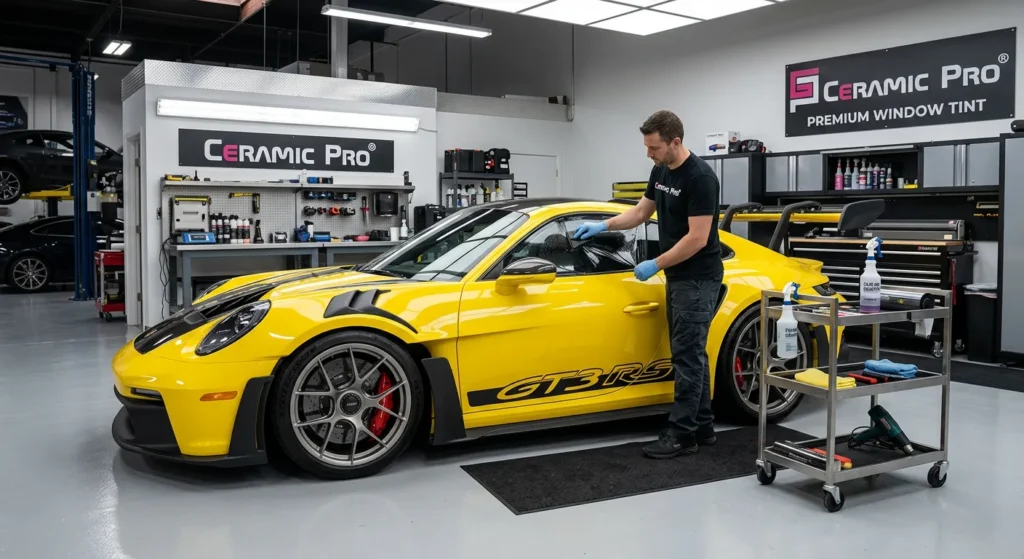
That is why Ceramic Pro Indiana County helps drivers choose tint based on comfort, visibility, Pennsylvania rules, and vehicle type.
UV protection is another reason many drivers compare ceramic window tint vs dyed tint. UV rays can pass through vehicle glass, and long drives can expose your arms, face, neck, and hands to sunlight.
The Skin Cancer Foundation says UV window film can help block UV rays that pass through glass in homes, offices, and vehicles. It also states that window film can block up to 99% of UV radiation.
Ceramic window tint is a smart choice for:
Window tint is not a replacement for sunscreen or other sun-safe habits. It is an added layer that can help reduce UV exposure inside the vehicle.
Both dyed tint and ceramic tint can improve privacy and make your vehicle look cleaner. This is where many buyers first start thinking about window tint.
Tint can improve the look of:
Dyed tint can give a darker appearance. Ceramic tint can do the same while adding better heat rejection and UV protection.
Here’s what matters. If two films look similar from the outside, they may still feel very different from the inside. A ceramic film can give you the look you want while performing better in the sun.
Modern vehicles rely on electronics. Phones, GPS, satellite radio, Bluetooth, keyless systems, toll devices, and connected car features all matter.
Some older metalized films may interfere with signals. Ceramic window tint is a better choice for many modern vehicles because ceramic films are often metal-free or signal-friendly, depending on the product line.
This is especially useful for:
Ceramic Pro’s Ceramic IR film is described as metal-free, which helps support signal clarity for modern vehicles.
Pennsylvania has window tint rules, so shade choice matters. PennDOT’s vehicle window tint fact sheet says Pennsylvania adopted window tint regulations for vehicles operated on state highways, and drivers with tint materials that exceed light transmittance requirements may be stopped and cited.
This is why choosing a trained tint shop matters. A good tint appointment is not only about picking the darkest shade on the wall. It is about choosing a film that fits your vehicle, comfort goals, visibility needs, and Pennsylvania requirements.
Tint rules may depend on:
The best move is to talk through shade choices before install. Ceramic Pro Indiana County can help explain common options and show how different films look on vehicle glass.
Ceramic window tint is usually the better choice for Teslas, trucks, and SUVs because these vehicles often have more glass, larger cabins, and more sun exposure.
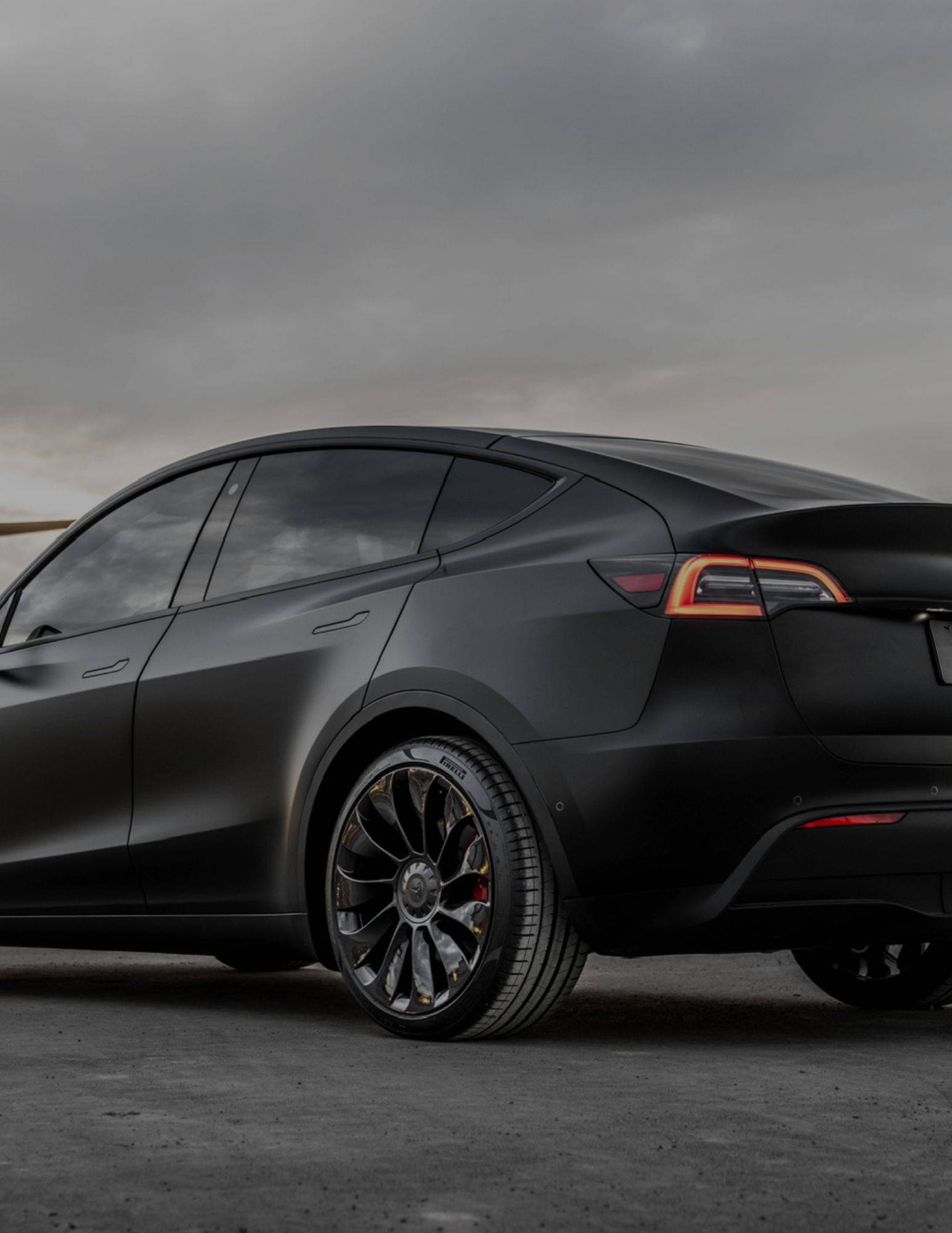
Teslas often have large glass areas, which can make heat and glare more noticeable. Ceramic tint is a strong choice because it helps with heat rejection, glare control, and UV protection.
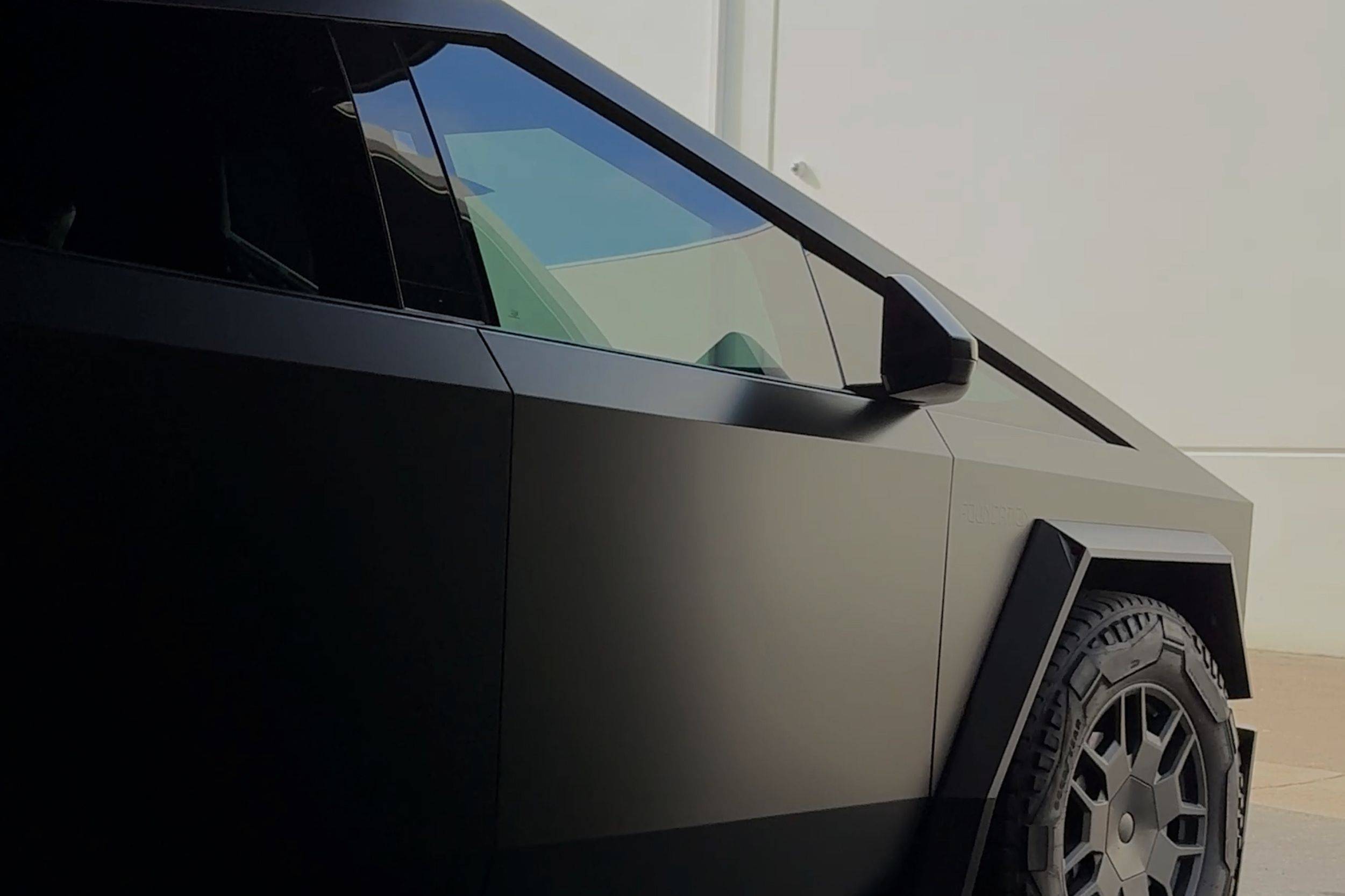
Ceramic Pro Indiana County offers Tesla window tinting along with Tesla paint protection film, Tesla ceramic coating, and Tesla Cybertruck window tint.
Trucks often sit outside, travel long distances, and have large side windows. Ceramic tint can make daily driving more comfortable while improving privacy and appearance.
SUVs often carry family, pets, gear, and passengers. Ceramic tint helps reduce heat and glare for both front and rear passengers.
If you drive every day, ceramic tint is usually worth it. A film that reduces heat and glare can make your vehicle feel better all year.
Tint shade is measured by VLT, or visible light transmission. A higher VLT allows more visible light through the glass. A lower VLT looks darker.
When choosing a tint shade, think about:
Lighter ceramic tint is a strong choice when you want heat rejection and UV protection without a dark look. It can be a good fit for front side windows or drivers who want a clean, subtle finish.
Mid-range tint gives a balance of privacy, glare control, and appearance. Many drivers like this for rear side windows and back glass.
Darker tint gives more privacy and a bolder look. It should be chosen with Pennsylvania rules and night visibility in mind.
The real question is not only how dark you want the tint. It is how you want the vehicle to feel.
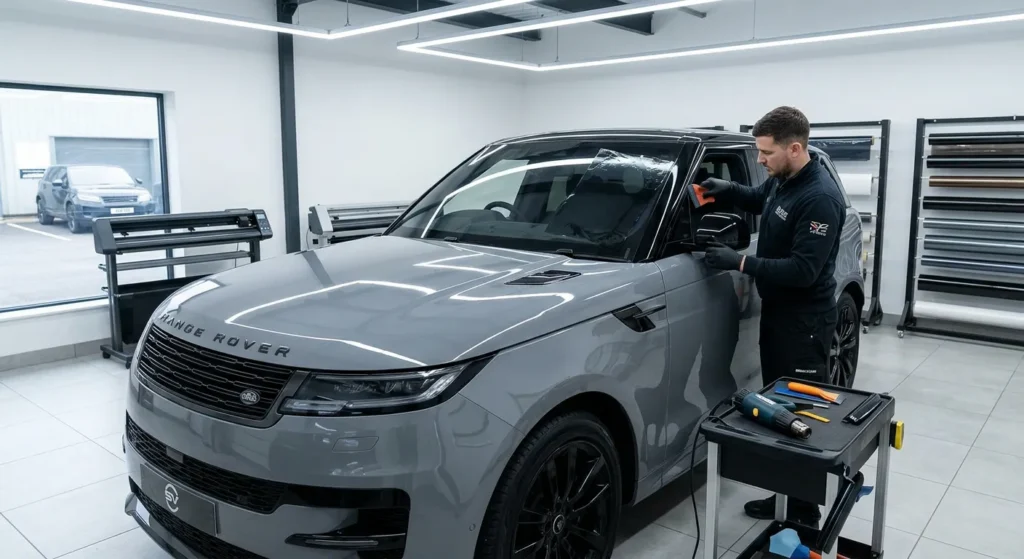
Ceramic Pro Indiana County installs Ceramic Pro window tint products for Pennsylvania drivers who want heat rejection, glare control, UV protection, privacy, and a clean install.
Relevant services include:
We can also pair window tint with other vehicle protection services:
A full protection package may include ceramic window tint, ceramic coating, PPF, and windshield protection film. This gives your vehicle better comfort inside and better protection outside.
After window tint is installed, the film needs time to dry and bond to the glass. Care is simple, but the first few days matter.
Do not roll down newly tinted windows until your installer says it is safe. Rolling windows down too soon can peel or damage film edges.
Light haze or small moisture pockets can appear while tint dries. This often clears as the film cures.
Avoid ammonia-based glass cleaners. Use tint-safe cleaners recommended by your installer.
Clean tinted windows with soft microfiber towels. Rough towels can scratch the film.
Do not pull, rub, or pick at tint edges. If you notice a problem, contact Ceramic Pro Indiana County.
Pennsylvania cold and humidity can slow curing. Give the film time, especially in winter or rainy weather.
Ceramic window tint vs dyed tint is a simple choice for many Pennsylvania drivers. Dyed tint can improve appearance and privacy. Ceramic window tint improves appearance while also helping with heat rejection, glare control, UV protection, and comfort.
If you drive in Josephine, PA, Indiana, PA, Johnstown, PA, Blairsville, PA, or nearby areas, ceramic tint is a smart upgrade for daily driving. It is especially useful for Teslas, trucks, SUVs, work vehicles, family vehicles, and commuters.
Ceramic Pro Indiana County is located at 7515 US-119 S, Josephine, PA 15750. We are open Monday through Friday from 10 AM to 8 PM.
Call Ceramic Pro Indiana County at (724) 487-5404 or visit https://ceramicproindiana.biz/contact-us to schedule window tint service.
Dyed tint mainly changes the look of the glass and adds privacy. Ceramic window tint changes the look while also helping with heat rejection, glare control, UV protection, and cabin comfort.
Yes. Ceramic window tint is worth it for many Pennsylvania drivers because it helps with summer heat, winter glare, UV exposure, and daily comfort.
Yes, ceramic tint usually does a better job reducing heat because it is designed to reject infrared heat. Dyed tint may look dark but may not reject heat as well.
Yes, ceramic tint can help block UV rays. The Skin Cancer Foundation says UV window film can block up to 99% of UV radiation.
Ceramic tint can be legal when the film and shade meet Pennsylvania light transmittance rules. PennDOT says drivers with tint materials that exceed requirements may be stopped and cited.
Ceramic window tint is often metal-free or signal-friendly, depending on the product. Ceramic Pro Ceramic IR is described as metal-free, which helps support signal clarity.
Call Ceramic Pro Indiana County at (724) 487-5404 or visit https://ceramicproindiana.biz/contact-us to schedule an appointment.
At Ceramic Pro Indiana County, we offer a full range of auto protection services to keep your car looking its best—and staying protected for the long haul. From scratch-resistant film and gloss-enhancing coatings to UV-blocking window tint, we’re your certified local experts.
Explore the many services we offer by clicking the boxes below