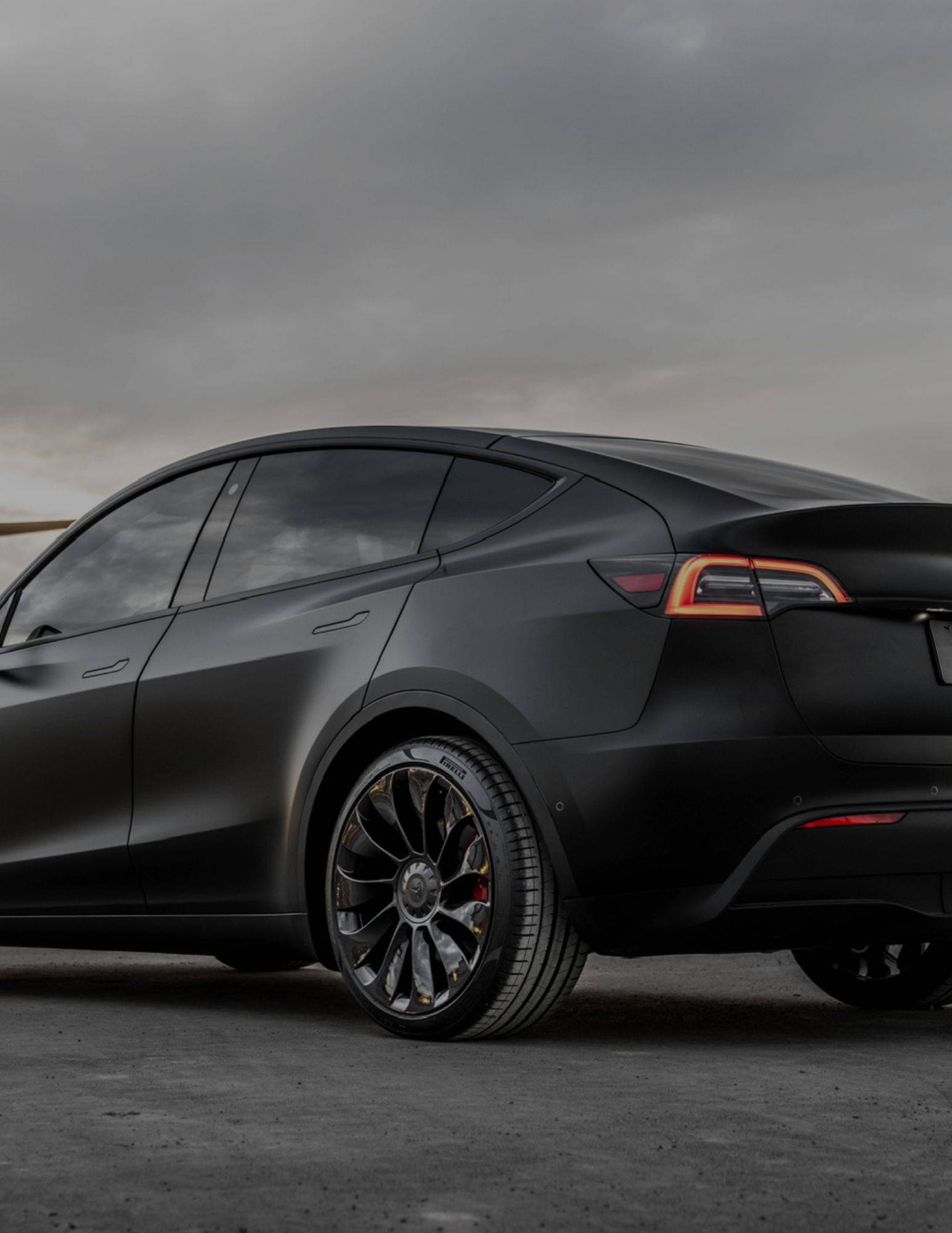
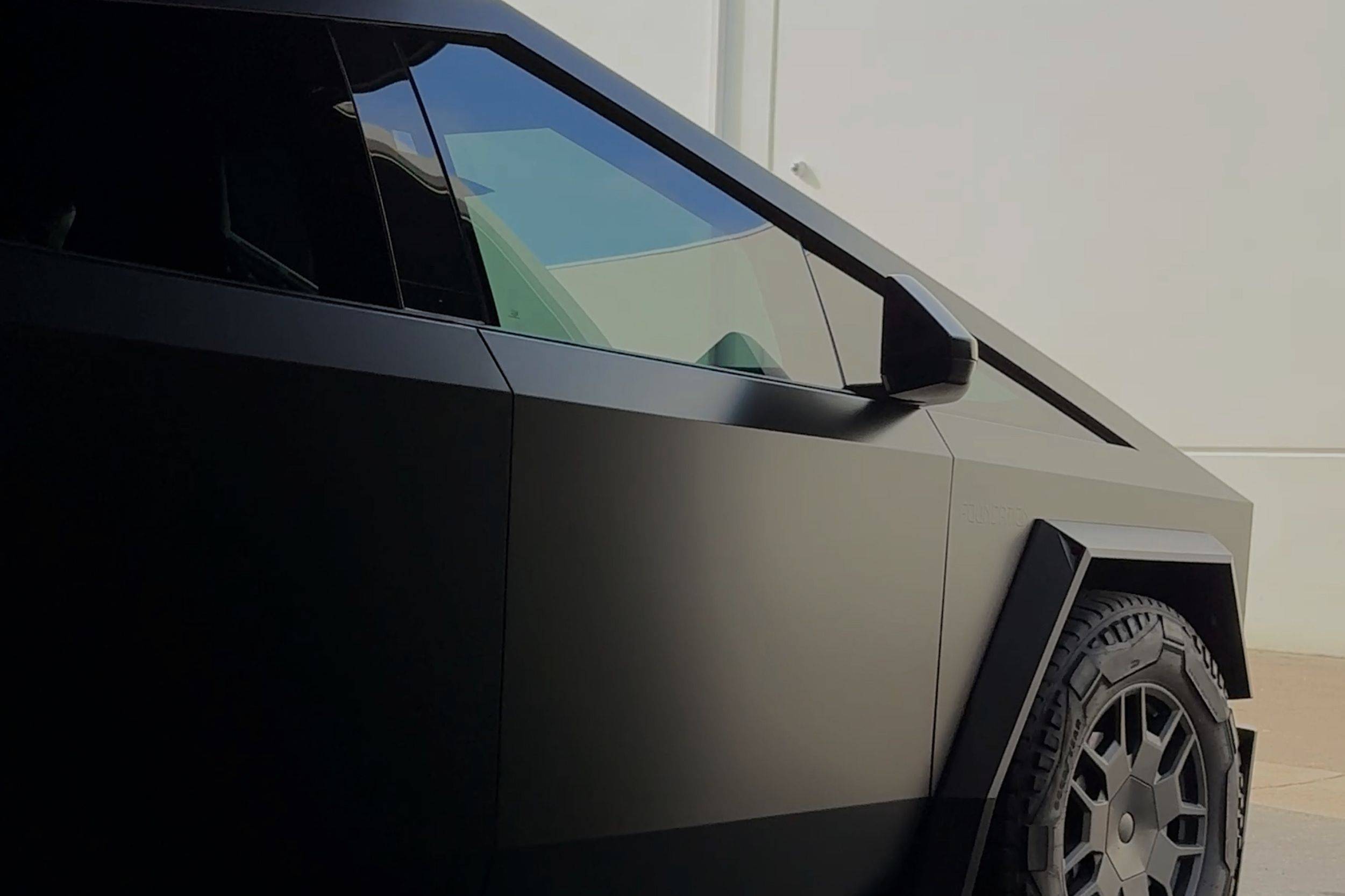
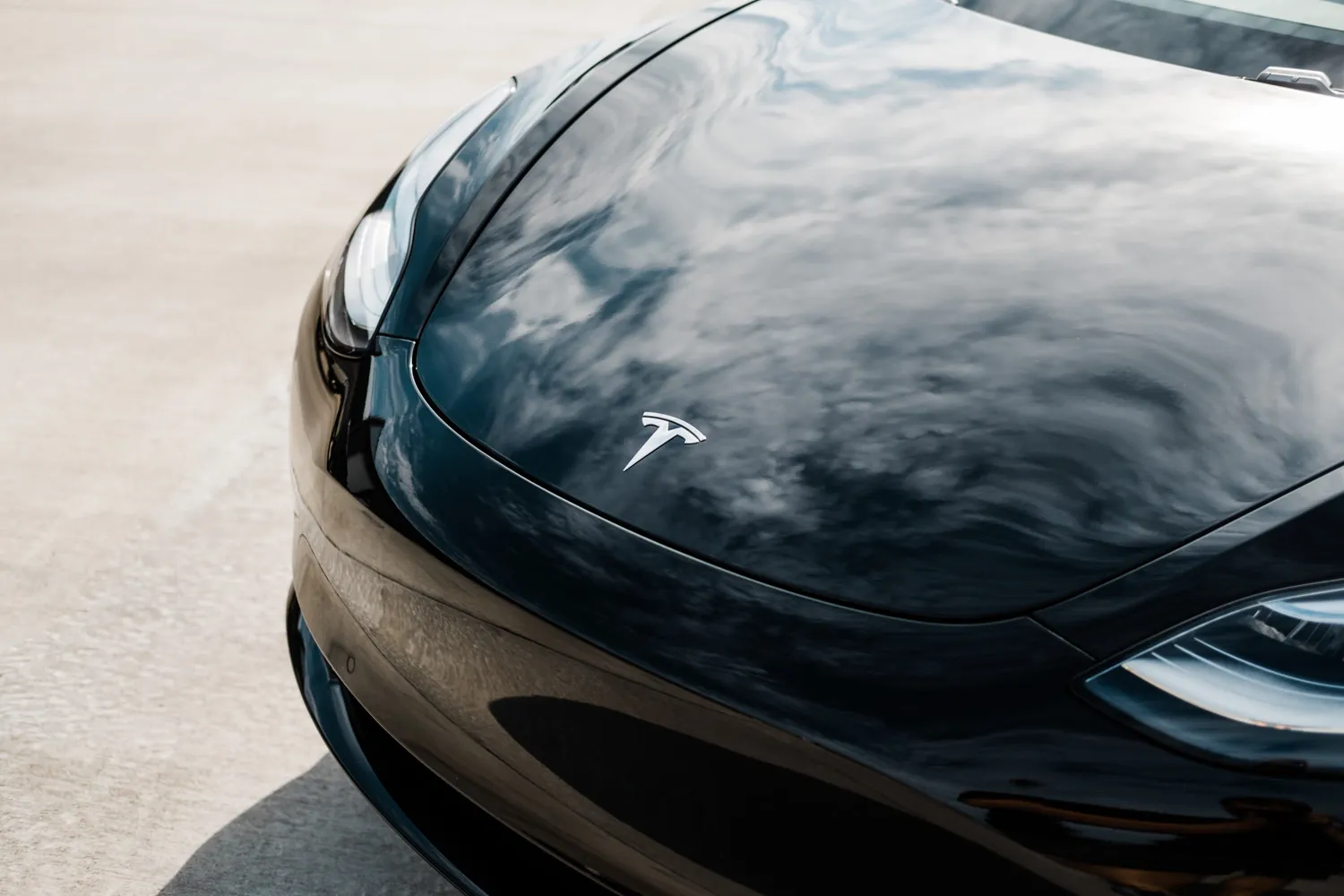
Ceramic Coating vs Wax for Pennsylvania Winter Driving is a real question for drivers who want to keep their paint cleaner through snow, salt, slush, and road film. Both wax and ceramic coating can add gloss and some surface protection, but they do not perform the same way during a long Pennsylvania winter.
Wax is a short-term layer that sits on the paint. It can make a vehicle shine and help water bead for a while. Ceramic coating is a bonded surface protection service that is installed after proper paint prep. It is made for longer-lasting slickness, better washability, and stronger resistance to winter grime than wax alone.
If you drive near Indiana, PA, Johnstown, PA, Blairsville, PA, Josephine, PA, Latrobe, PA, or nearby western Pennsylvania towns, your vehicle faces months of changing weather. One week may bring salt brine and slush. The next week may bring rain, freezing temperatures, mud, gravel, and dirty snow piles. That mix can sit on paint, wheels, glass, and lower panels.
Here is why this matters. Winter grime does not only make your vehicle look dirty. Salt and moisture can sit around chips, scratches, seams, trim, emblems, and lower body areas. If the paint is already damaged, winter can make those spots harder to manage.
Ceramic Pro Indiana County offers Ceramic Coating, Ceramic Pro ION, Paint Correction, Paint Protection Film, and Ceramic Pro Ultimate Armor from 7515 US-119 S, Josephine, PA 15750.
Ceramic Coating vs Wax for Pennsylvania Winter Driving starts with the roads. Pennsylvania winter roads are often treated before, during, and after storms. PennDOT uses materials such as road salt, salt brine, and anti-skid mixes based on road temperature, storm conditions, and traffic.
That road treatment helps make winter travel safer, but it also means your vehicle gets coated with salty film. Tires spray it onto the front bumper, hood, doors, rocker panels, rear bumper, wheels, and wheel wells. If you follow traffic on wet winter roads, the spray can cover the whole vehicle in minutes.
Pennsylvania winter can expose paint to:
This is where the difference between wax and ceramic coating shows up. Wax can help for a short time, but winter washing, salt, and road film can wear it down. Ceramic coating is built to last longer and make grime easier to remove when cared for the right way.
What this means is simple. If you drive through Pennsylvania winter every week, the surface protection needs to handle more than a sunny weekend wash.
Car wax is a familiar paint protection option. It can add gloss, make water bead, and give the paint a smoother feel for a limited time. Many drivers like wax because it is easy to understand and can make a vehicle look better quickly.
Wax may help with:
The catch is that wax does not last as long as ceramic coating, mostly in winter. Cold weather, salt, slush, repeated washing, road film, and harsh cleaners can wear wax down. If a vehicle is washed often during winter, the wax layer may fade faster.
Wax also does not create the same hard, bonded layer that a pro ceramic coating does. It sits on the surface and breaks down over time. That means drivers may need to reapply it more often to keep the same water behavior and gloss.
Bottom line: wax can be better than leaving bare paint alone, but it is not the strongest winter plan for a daily driver in Pennsylvania.
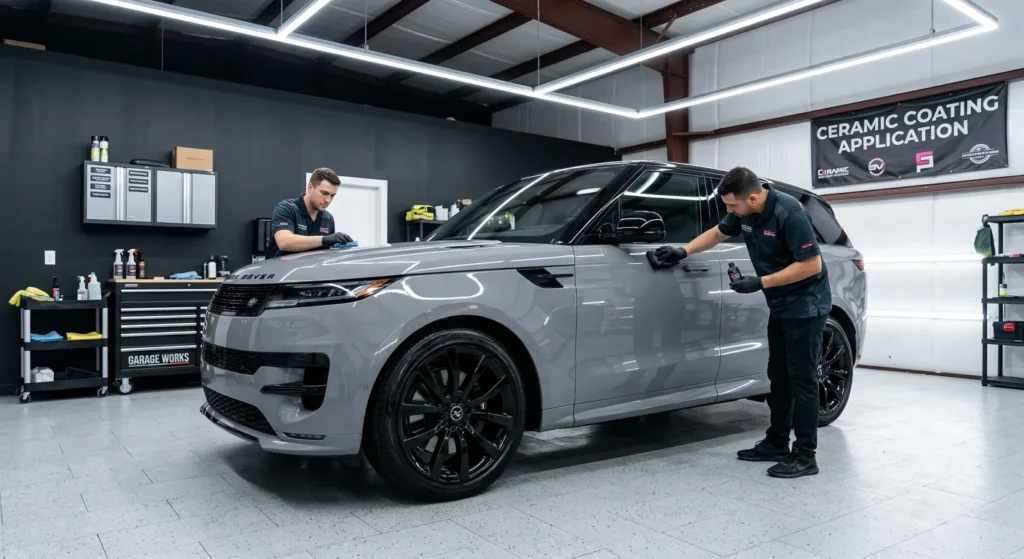
Ceramic coating is a surface protection service installed over properly prepared paint. It is designed to bond to the surface and create a slicker, easier-to-clean finish. For Pennsylvania winter driving, that matters because salt and grime can be easier to rinse and wash away from a coated vehicle.
Ceramic coating can help with:
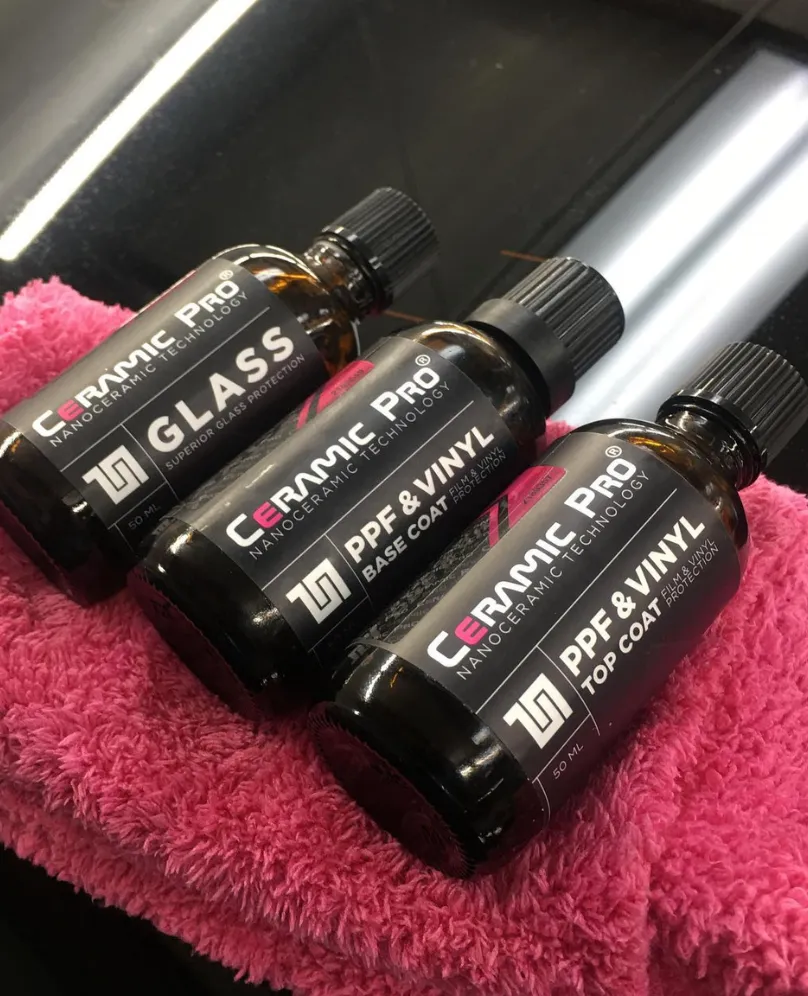
Ceramic Pro Indiana County offers Ceramic Pro ION and Ceramic Coating for drivers who want a stronger option than wax. Ceramic Pro describes ION as a professional coating system that bonds to the surface and gives strong hydrophobic behavior.
Now here’s the thing. Ceramic coating is not magic. It does not stop every scratch. It does not stop rock chips. It does not mean you can skip washing all winter. Ceramic Pro’s aftercare guidance says coated vehicles still need routine maintenance washes.
The benefit is that a coated vehicle is easier to care for when winter grime builds up. That can make a big difference after a week of road salt and slush.
Ceramic Coating vs Wax for Pennsylvania Winter Driving comes down to durability, cleaning, and winter road exposure.
Wax is a short-term protective layer. It gives shine and water beading, but it can wear down quickly during winter.
Ceramic coating is a longer-term bonded coating. It gives stronger surface slickness and washability when installed and maintained properly.
Let’s break it down.
Wax can be good for a quick shine, but it needs frequent reapplication. Pennsylvania winter can wear it down faster because of salt, washing, and road film.
Ceramic coating is made for longer surface protection than wax. It bonds to the paint after prep and gives a slicker, more durable surface.
Wax can be applied during a detail or at home. Ceramic coating needs more prep and should be installed by trained professionals for the best result.
Coated paint usually releases grime more easily than waxed paint after the wax starts fading. This is helpful during salt season.
Wax and ceramic coating help with surface care. Neither one is a true rock-chip shield. If impact protection matters, ask about Paint Protection Film.
Ceramic Coating vs Wax for Pennsylvania Winter Driving is really a question about salt exposure. Road salt and brine can cling to paint, glass, wheels, and trim. When they dry, they leave a white film that can be difficult to remove cleanly.
PennDOT’s 2025-2026 winter fact sheet says it used more than 14.4 million gallons of salt brine last winter for anti-icing roads before storm events and to pre-wet road salt so it reduces bounce and scatter during spreading.
That salt brine can spray across your vehicle even when roads look only wet. When temperatures rise and fall, the road can stay dirty for days after a storm. Every drive can add a new layer of film.
Here is where ceramic coating helps. Salt can still land on coated paint, but the slicker surface makes it easier to rinse and wash away. Wax may help early on, but it can wear down after repeated winter washes.
A good winter protection plan may include:
If you drive daily near Indiana, PA, Johnstown, PA, Blairsville, PA, or Josephine, PA, ceramic coating is usually the stronger long-term option than wax.
Waxed vehicles still need regular washing in winter. The problem is that washing is also one of the things that can wear wax down. Harsh soaps, hot water, salt grime, automatic brushes, and rough towels can strip or weaken wax.
If you use wax in winter, follow these tips:
Salt and grit can scratch if dragged across the paint. Rinse the vehicle well before touching it.
Avoid harsh cleaners unless needed for a specific problem. Strong cleaners can reduce wax life.
Do not let salty grime sit for weeks. Wash when weather allows.
Dirty towels can create swirl marks. Use soft microfiber towels.
If water no longer beads and the paint feels rough, the wax may be fading.
Brushes can drag grit across paint and create wash marks.
Wax can work if you like frequent hands-on care. For drivers who want a longer-lasting winter surface, ceramic coating usually makes more sense.
Ceramic Coating vs Wax for Pennsylvania Winter Driving also depends on care habits. A ceramic coated vehicle is easier to wash, but it still needs to be washed.
Ceramic Pro’s aftercare guidance says coated vehicles need routine maintenance washes. That matters during Pennsylvania winter because salt should not sit on the vehicle all season.
Use these winter care tips for a coated vehicle:
After storms and salt exposure, wash as soon as it is practical.
Salt collects around rocker panels, lower doors, wheels, wheel wells, and rear bumpers.
Use a soap that is safe for ceramic coatings. Ask Ceramic Pro Indiana County which products fit your coating.
Brush-style washes can create marks even on coated paint.
A dirty mitt can drag grit across the coating.
Use clean microfiber towels or safe drying tools.
If washing at home is hard during winter, ask Ceramic Pro Indiana County about coating maintenance or care advice.
A coated vehicle is easier to clean, but good wash habits keep it looking better.
Ceramic Coating vs Wax for Pennsylvania Winter Driving often leads to a rock-chip question. The answer is simple: ceramic coating does not stop rock chips. Wax does not either.
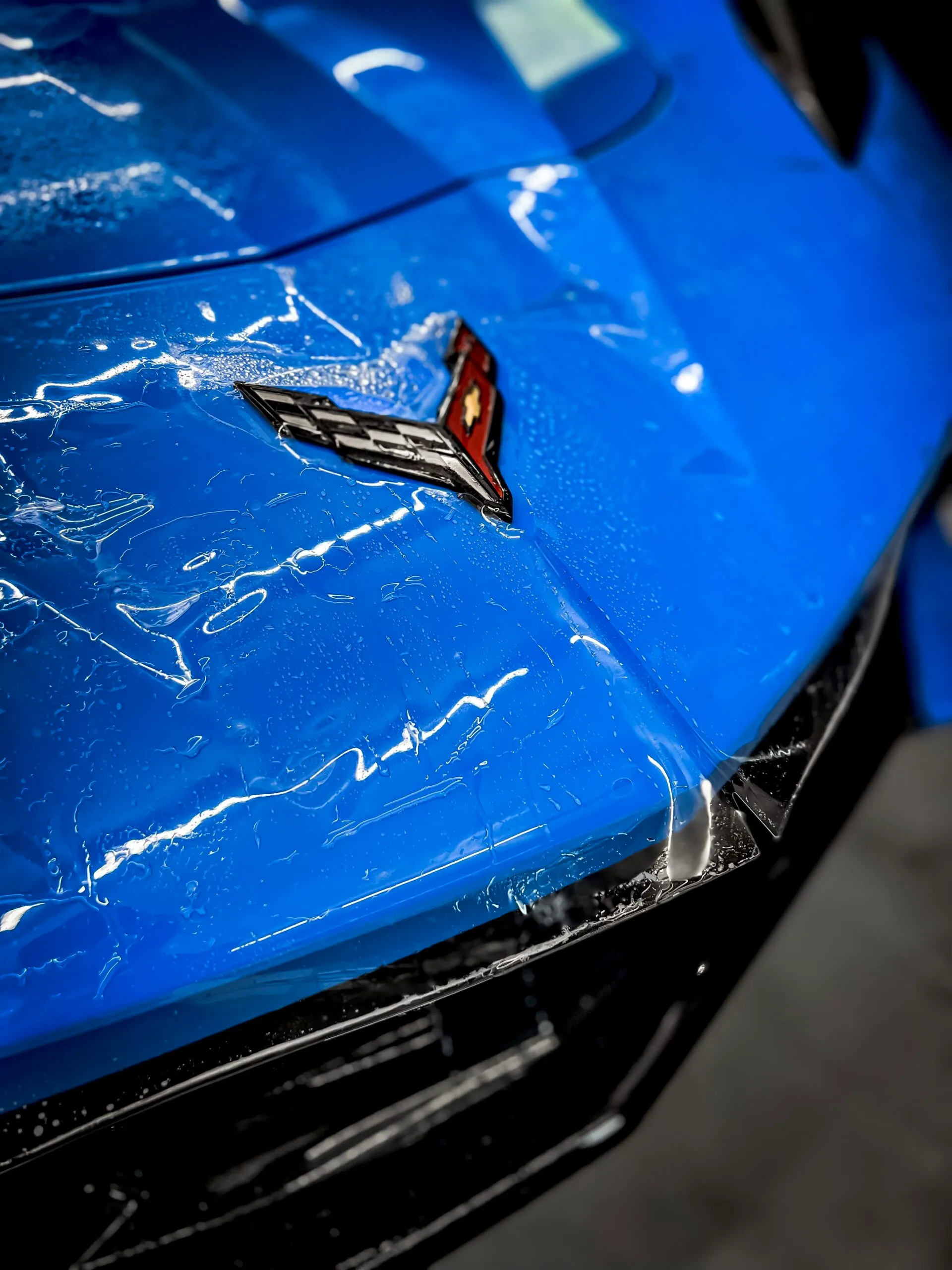
Ceramic coating helps with surface slickness, gloss, and easier washing. Paint protection film is the service made for rock-chip defense.
That matters in Pennsylvania because winter roads often include salt, anti-skid grit, loose stone, and construction debris. The front bumper, hood, fenders, mirrors, rocker panels, and lower doors take the most abuse.
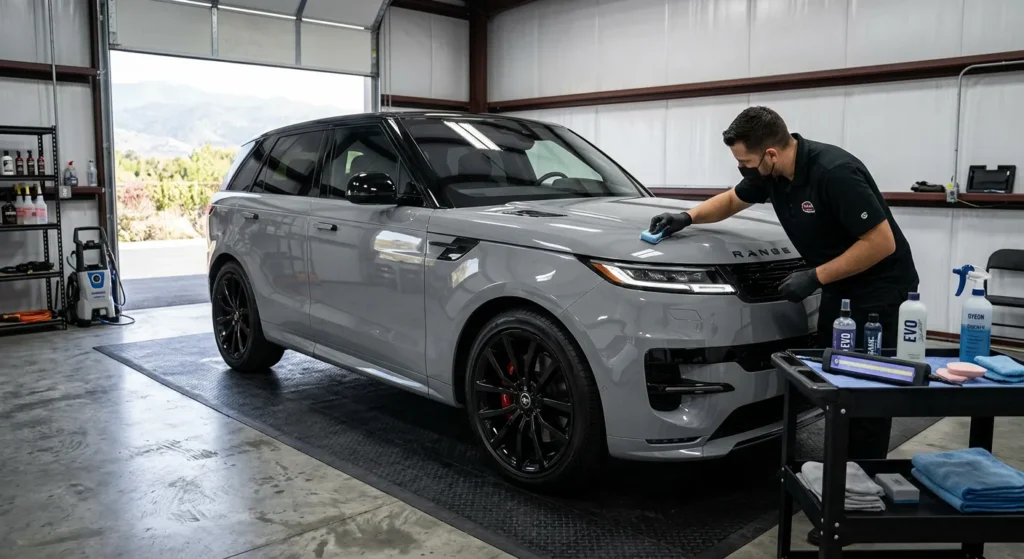
If you want chip protection, ask about:
A strong winter setup can include PPF on the high-impact panels and ceramic coating on paint and film for easier washing. Wax alone is not enough if rock chips are your main concern.
Wax is not useless. Ceramic Coating vs Wax for Pennsylvania Winter Driving does not mean every driver must choose coating. Wax can still make sense in certain cases.
Wax may fit if:
Wax can be a reasonable choice for a seasonal vehicle or a car that does not see much salt. It can also be used as a temporary appearance upgrade after a detail.
The catch is that Pennsylvania winter driving can wear wax down quickly. If your vehicle is a daily driver, parked outside, driven on salted roads, or hard to wash often, ceramic coating is usually a stronger choice.
Ceramic coating is usually the better choice when you want longer-lasting surface protection and easier winter washing. It is a smart fit for daily drivers, new vehicles, black paint, family SUVs, trucks, Teslas, and vehicles that see a lot of salt exposure.
Ceramic coating may fit if:
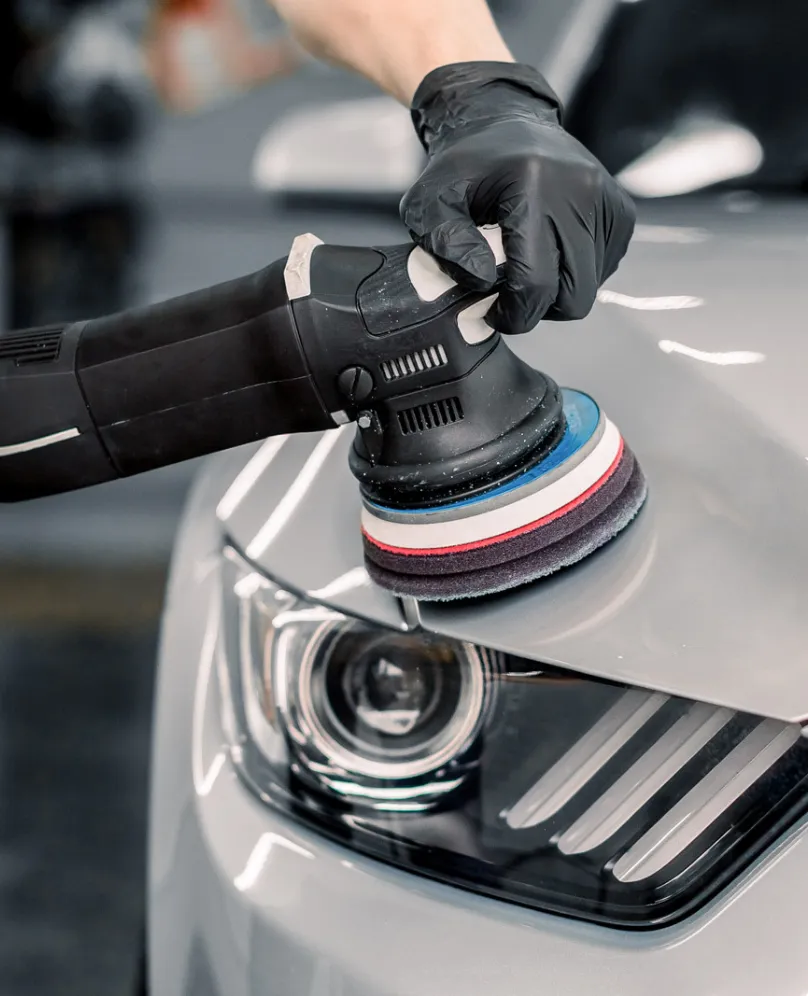
Ceramic Pro Indiana County can inspect the paint before coating. If the vehicle has swirl marks, water spots, oxidation, or light scratches, Paint Correction may be recommended first. Ceramic coating does not erase paint defects by itself, so prep matters.
For drivers who want a stronger package, Ceramic Pro Ultimate Armor can be a good route because it pairs film and coating.
Ceramic Coating vs Wax for Pennsylvania Winter Driving is an even bigger question for Tesla owners. Tesla Model 3, Model Y, Model S, Model X, and Cybertruck owners often want easier washing, less winter grime, and a cleaner look through salt season.
Tesla vehicles often have large smooth panels and clean body lines. Dirt, salt, and wash marks can show quickly, mostly on black, blue, red, and gray paint. A ceramic coating can help make winter grime easier to wash off.
Ceramic Pro Indiana County offers Tesla service pages for:
For Tesla winter driving in Pennsylvania, a strong setup may include paint correction, ceramic coating, PPF on the front bumper and rocker panels, window tint, and windshield protection film.
If you use an automatic wash, review Tesla’s Car Wash Mode in the owner’s manual first. Also ask Ceramic Pro Indiana County which wash methods are safest for coated or filmed Teslas.
Ceramic Coating vs Wax for Pennsylvania Winter Driving often brings up cost. Wax is usually cheaper upfront, but ceramic coating is a professional service with more prep, longer surface life, and stronger winter value for many drivers.
Ceramic Pro Indiana County can inspect your vehicle and explain the right package. Call (724) 487-5404 or visit https://ceramicproindiana.biz/contact-us/ to schedule an appointment.
Ceramic coating quote factors include:
A compact car, full-size truck, SUV, van, Tesla Model X, and Cybertruck all have different surface areas.
Swirls, haze, water spots, oxidation, and scratches may call for paint correction before coating.
Paint-only coating differs from coating paint, wheels, glass, trim, and interior surfaces.
A proper coating job may include washing, decontamination, polishing, panel cleaning, and cure time.
Many drivers add Paint Protection Film, Window Tint, Windshield Protection Film, or Ceramic Pro LUX Interior Ceramic Coating.
Ceramic Pro Indiana County carries warranties on products and services. Ask which warranty applies to your package.
The best way to compare wax and ceramic coating is not only the first cost. Compare how long you want protection to last, how much winter driving you do, and how easy you want washing to be.
Ceramic Coating vs Wax for Pennsylvania Winter Driving should be explained by a shop that understands road salt, paint prep, coating products, PPF, Tesla surfaces, and aftercare. Ceramic Pro Indiana County is a Ceramic Pro certified shop, Ceramic Pro vendor, and local Ceramic Pro Elite Dealer.
The shop is located at:
7515 US-119 S
Josephine, PA 15750
Business hours are Monday through Friday from 10 AM to 8 PM. Ceramic Pro Indiana County has 220 reviews and a 5-star rating. The shop carries warranties on products and services.
Drivers visit from Josephine, PA, Indiana, PA, Johnstown, PA, Blairsville, PA, Homer City, PA, Latrobe, PA, Kittanning, PA, Ligonier, PA, Apollo, PA, Armagh, PA, Bolivar, PA, Cherry Tree, PA, Clymer, PA, Derry, PA, Ebensburg, PA, Ford City, PA, Leechburg, PA, Nanty Glo, PA, New Alexandria, PA, Punxsutawney, PA, Saltsburg, PA, Seward, PA, Winbur, PA, and nearby areas.
Related pages include:
If you are comparing Ceramic Coating vs Wax for Pennsylvania Winter Driving, start with how your vehicle is used. If it sits indoors and rarely sees salt, wax may be enough for short-term shine. If it is a daily driver that sees winter roads, ceramic coating is usually the stronger long-term choice.
Call Ceramic Pro Indiana County at (724) 487-5404 during business hours, Monday through Friday from 10 AM to 8 PM. You can also visit https://ceramicproindiana.biz/contact-us/ to schedule an appointment.
Bottom line: wax can add quick shine, but ceramic coating gives Pennsylvania drivers better long-term washability, slickness, and winter surface care. For rock chips, pair ceramic coating with PPF.
Yes, for most daily drivers. Ceramic coating lasts longer than wax and makes salt, slush, and road grime easier to wash away when cared for properly.
Wax can add a short-term layer, but it can wear down from winter washing, salt, and road grime. It is better than bare paint, but not as strong as ceramic coating.
Ceramic coating helps road salt wash off more easily, but it does not make a vehicle maintenance-free. You still need routine winter washing.
No. Ceramic coating does not stop rock chips. For chip defense, ask about paint protection film.
Yes, if the paint has swirl marks, haze, water spots, or light scratches. Ceramic coating does not remove those defects by itself.
Ask the installer first. Many ceramic coated vehicles do not need wax. Coating-safe maintenance products are usually a better fit.
Ceramic Pro Indiana County installs ceramic coating at 7515 US-119 S, Josephine, PA 15750. Call (724) 487-5404 or visit https://ceramicproindiana.biz/contact-us/ to schedule an appointment.
At Ceramic Pro Indiana County, we offer a full range of auto protection services to keep your car looking its best—and staying protected for the long haul. From scratch-resistant film and gloss-enhancing coatings to UV-blocking window tint, we’re your certified local experts.
Explore the many services we offer by clicking the boxes below