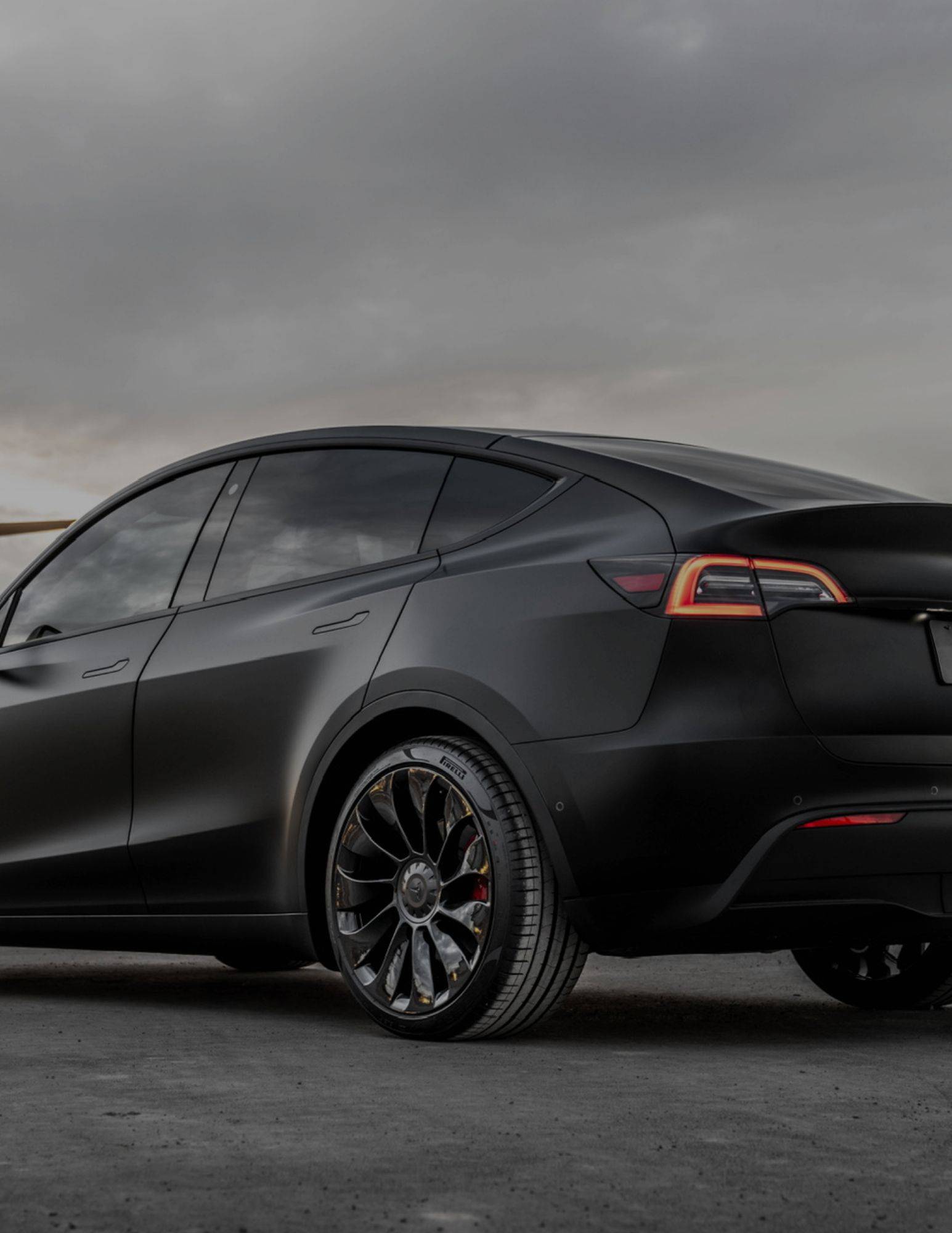
Window Tinting in Ford City, PA gives vehicle owners a practical way to reduce cabin heat, cut glare, add privacy, and block a large share of UV exposure without relying only on dark glass. Modern carbon and ceramic films can provide strong heat rejection at several visible-light levels, so the right tint can be chosen around comfort, appearance, and Pennsylvania rules.
Ceramic Pro Indiana County serves Ford City, PA from its Ceramic Pro Elite Dealer location at 7515 US-119 S in Josephine, PA. The shop installs Ceramic Pro Carbon X, Ceramic X, Ceramic IR, and Ultimate IR window films, with several VLT choices depending on the film and the glass being tinted.
If you are comparing Window Tinting in Ford City, PA, start with what you want the film to do. Some owners care most about heat rejection. Others want more privacy, less glare, a factory-style appearance, or a lighter film that still helps control infrared heat.
Here is what to know before choosing a window tint package.
Automotive window film is installed on the inside surface of vehicle glass.
It can help with several things at once:
Window Tinting in Ford City, PA is not only about making the glass dark.
The more useful question is what kind of solar control you want from the film.
Carbon film can provide privacy and heat reduction without metallic construction. Ceramic film can provide stronger infrared performance while maintaining signal clarity. Lighter ceramic films can also help with heat without giving the vehicle a heavily tinted appearance.
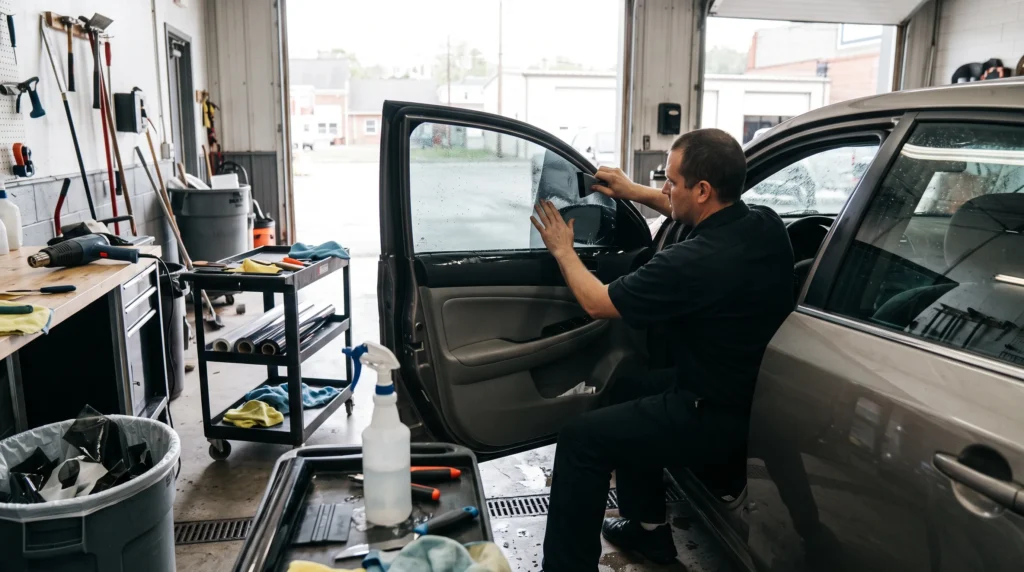
Ceramic Pro Indiana County offers window tint using nonmetallic carbon and ceramic films designed for automotive use.
Vehicle cabins can heat up quickly when they sit outside in warm weather.
Sunlight enters through the windshield, side glass, and rear glass. Once that energy reaches the dashboard, seats, console, trim, and other interior surfaces, those materials warm up and release heat into the cabin.
Window Tinting in Ford City, PA can reduce part of that solar load while also changing glare and privacy.
Infrared energy is one part of the sunlight people feel as heat through automotive glass.
Ceramic Pro offers films with different infrared and heat-rejection performance levels.
A higher-performing film can reduce heat without requiring the darkest shade available.
Bright sunlight, low sun angles, reflective surfaces, and headlights can create glare through vehicle glass.
Window film reduces visible light and can make that glare less distracting.
The shade still needs to make sense for nighttime use and Pennsylvania law.
Ceramic Pro’s current national comparison lists 99% UV protection across Carbon X, Ceramic X, Ceramic IR, and Ultimate IR.
That can help reduce UV exposure to occupants and interior materials.
A lower VLT gives the glass a darker appearance.
That can make the cabin harder to see from outside and can change the overall appearance of the vehicle.
Privacy goals still need to fit the rules for the vehicle and the glass location.
Many trucks and SUVs leave the factory with darker rear privacy glass and much lighter front door glass.
Window Tinting in Ford City, PA can help create a more consistent side profile while adding solar-control performance.
Ceramic X is made with a rich black appearance intended to match factory privacy glass closely.
VLT stands for Visible Light Transmission.
It describes how much visible light passes through a film or through the completed glass-and-film combination.
A lower VLT means darker glass.
A higher VLT means lighter glass.
This matters for Window Tinting in Ford City, PA because Pennsylvania’s current PennDOT fact sheet uses total minimum light transmission for regulated windows.
The number printed on the film does not automatically become the final number measured on the vehicle.
Factory glass already reduces some visible light before aftermarket film is installed. Once film is added, the completed window can measure lower than the film’s labeled VLT.
That is why measuring the glass can matter when compliance is the goal.
VLT also is not the same thing as infrared rejection.
A light ceramic film can reject more infrared energy than a darker lower-tier film.
Ceramic Pro’s current national window-film lineup includes four main choices.
| Film | Construction | Max Heat Rejection | UV Protection | VLT Choices | Warranty |
|---|---|---|---|---|---|
| Carbon X | Carbon | 95% | 99% | 4 | Lifetime |
| Ceramic X | Ceramic + Carbon | 96% | 99% | 4 | Lifetime |
| Ceramic IR | Ceramic | 97% | 99% | 7 | Lifetime |
| Ultimate IR | Ceramic | 99% | 99% | 8 | Lifetime |
Ceramic Pro also publishes product-specific infrared figures on individual film pages.
Those figures are not always the same measurement as the “Max Heat Rejection” figure in the comparison table.
When comparing Window Tinting in Ford City, PA, compare the same type of performance number between films rather than mixing separate test measurements.
Carbon X Window Tint uses nano-carbon particles and infrared-blocking materials.
Ceramic Pro publishes 74% film-only infrared blocking for Carbon X and lists it at 95% maximum heat rejection in its current lineup comparison.
Carbon X is nonmetallic.
That means it is designed to maintain GPS, phone, radio, and satellite signal clarity.
Ceramic Pro also lists:
Carbon X can fit an owner who wants heat reduction, privacy, and a dark automotive appearance without metallic film.
For Window Tinting in Ford City, PA, Carbon X is the carbon-film choice in Ceramic Pro’s current lineup.
Ceramic X Window Tint combines ceramic and carbon construction.
Ceramic Pro says Ceramic X uses nano-ceramic particles for stronger infrared performance than dyed or carbon-only films.
The manufacturer also designed Ceramic X with a rich black tone intended to blend with factory privacy glass.
That can work well on a truck or SUV with dark rear glass and light front side windows.
Ceramic Pro’s current comparison lists Ceramic X at:
The dedicated Ceramic X page also publishes up to 80% infrared heat rejection.
Those figures come from different performance descriptions, so they should not be treated as the same test.
The useful takeaway is that Ceramic X gives Ford City, PA vehicle owners a ceramic-plus-carbon option with factory-style color matching.
Ceramic IR Window Tint uses nano-ceramic technology with a dedicated infrared-focused layer.
Ceramic Pro publishes up to 96% infrared heat rejection on the dedicated Ceramic IR page.
Its current comparison table lists:
The larger VLT selection gives owners more ways to balance appearance, visible-light transmission, and heat rejection.
For Window Tinting in Ford City, PA, Ceramic IR can fit someone who cares more about infrared control and film selection than simply making the windows look dark.
Ultimate IR Window Tint is Ceramic Pro’s highest heat-rejection film tier.
Ceramic Pro publishes:
One useful detail is the performance of lighter Ultimate IR films.
Ceramic Pro says Ultimate IR 80 can block up to 95% of infrared energy under the manufacturer’s stated test conditions while remaining near clear.
That means an owner can choose a lighter appearance and still get strong infrared control.
For Window Tinting in Ford City, PA, Ultimate IR is worth comparing when heat rejection is the main reason for tinting.
Not automatically.
Darker tint reduces visible light.
Heat rejection depends on the film construction and how it handles solar energy.
A dark carbon film can add privacy, while a lighter ceramic film may reject more infrared heat.
This is why selecting tint only by shade can lead to the wrong film for your goal.
If privacy is the main concern, VLT matters a lot.
If heat is the main concern, compare infrared and heat-rejection data for the exact film.
If you want both, choose a film and VLT that balance the two.
Window Tinting in Ford City, PA should be selected around the result you want from the glass, not only how dark the sample looks.
Factory privacy glass and aftermarket window film are not the same thing.
Many SUVs and trucks leave the factory with darker rear glass.
That glass can add privacy and reduce visible light, but its dark appearance does not tell you how much infrared heat it rejects.
Aftermarket film can be chosen around published heat rejection, UV protection, glare reduction, and VLT.
This matters when an owner wants the front side glass to look closer to the rear privacy glass while also adding heat control.
Ceramic X is designed with factory-glass color matching in mind.
The actual vehicle still needs to be checked.
Factory glass varies between makes, models, and window locations.
Ceramic Pro’s current Carbon X, Ceramic X, Ceramic IR, and Ultimate IR films use nonmetallic carbon or ceramic construction.
Ceramic Pro says these films are designed not to interfere with:
That can matter on newer vehicles that depend heavily on wireless communication.
Some metalized films have been associated with signal concerns because metal in the film can interact with radio-frequency transmission.
Ceramic Pro’s current carbon and ceramic films are designed without that metallic construction.
Pennsylvania window tint rules should be part of the plan before choosing a shade.
PennDOT’s April 2025 Vehicle Window Tint Fact Sheet lists minimum total light transmission by vehicle type.
For 1998 and newer passenger cars, PennDOT lists:
| Window | Minimum Total Light Transmission |
|---|---|
| Windshield | 70% |
| Front side windows | 70% |
| Rear side windows | 70% |
| Rear window | 70% |
For trucks and multi-purpose passenger vehicles, PennDOT lists:
| Window | Minimum Total Light Transmission |
|---|---|
| Windshield | 70% |
| Front side windows | 70% |
| Rear side windows | No requirement listed |
| Rear window | No requirement listed |
PennDOT defines a multi-purpose passenger vehicle for this fact sheet as a vehicle built on a truck chassis or designed for occasional off-road use.
Vehicle classification matters.
So does total VLT.
A film labeled 70% VLT does not guarantee that the finished window will meter at 70%, because the original glass already reduces some visible light.
PennDOT also states that tint is no longer checked as part of Pennsylvania’s safety inspection requirement, but vehicle owners with tint that exceeds the listed light-transmission limits may still be stopped and cited while operating on a highway.
For Window Tinting in Ford City, PA, review the current PennDOT fact sheet before selecting film for regulated glass.
PennDOT’s current fact sheet says medical exemptions are available for colorless window tint products that filter incoming ultraviolet light.
The exemption process is handled through PennDOT’s Medical Unit.
Do not assume that a medical condition permits any tint shade or any film without going through the state’s process.
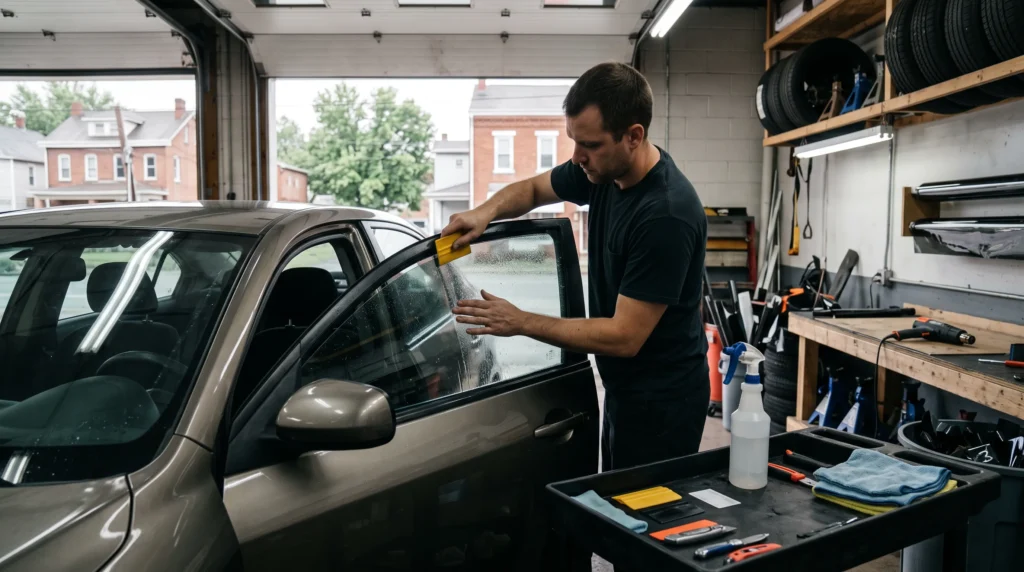
Professional Window Tinting in Ford City, PA starts with clean glass.
The installer needs to remove oils, dust, hair, residue, and other contamination from the inside surface before the film goes on.
The film is then fitted to the window and installed on the interior side of the glass.
Ceramic Pro Indiana County says most tint installations take about two to four hours depending on the number of windows and the coverage area.
That is a shop estimate rather than a fixed appointment time for every vehicle.
Installation time can change because of:
After installation, some haze, streaking, or moisture pockets can be visible while the water used during installation leaves the film.
Ceramic Pro’s aftercare page says full curing can take about one to four weeks depending on environmental conditions.
Do not press on moisture pockets or try to move trapped water.
The first several days after Window Tinting in Ford City, PA matter.
Ceramic Pro’s current KAVACA aftercare says not to roll tinted windows down for three to five days.
It also says the film may take one to four weeks to fully cure depending on temperature and sun exposure.
During that time, the film can look:
Ceramic Pro says these conditions can be normal during curing.
Do not press or move trapped water.
Ceramic Pro’s detailed aftercare says not to clean the newly tinted windows for at least seven days.
For the rest of the first month, use light pressure near film edges.
Ceramic Pro advises against household cleaners containing ammonia or alcohol.
Those chemicals can damage the film over time.
Use a tint-safe glass cleaner and clean microfiber towels.
Seatbelt buckles, pet claws, scrapers, and sharp cargo can scratch the inside film surface.
Be careful around moving side windows too.
Sand and dirt trapped in the lower window gasket can rub against the film as the window moves.
Ceramic Pro Indiana County currently lists Ford City, PA among its published service areas.
The Ceramic Pro Elite Dealer is located at 7515 US-119 S, Josephine, PA 15750 and can be reached at (724) 487-5404.
Vehicle owners looking for Window Tinting in Ford City, PA can compare Carbon X, Ceramic X, Ceramic IR, and Ultimate IR based on heat rejection, VLT, appearance, and how closely the film should match factory privacy glass.
The shop also serves nearby communities including Kittanning, PA and Leechburg, PA.
Here is a straightforward way to compare the film choices:
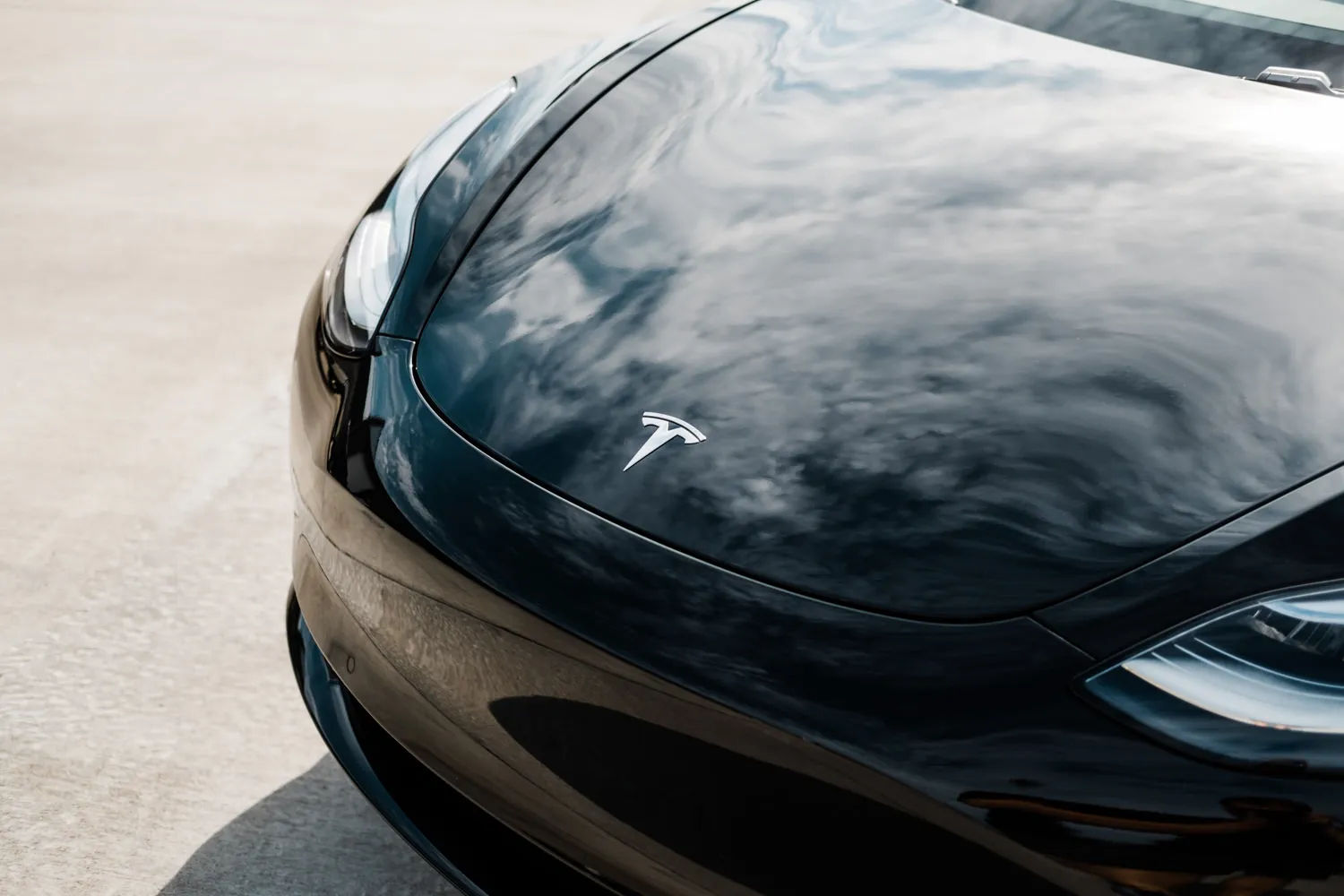
Tesla owners can also review Ceramic Pro Indiana County’s Tesla window tinting service.
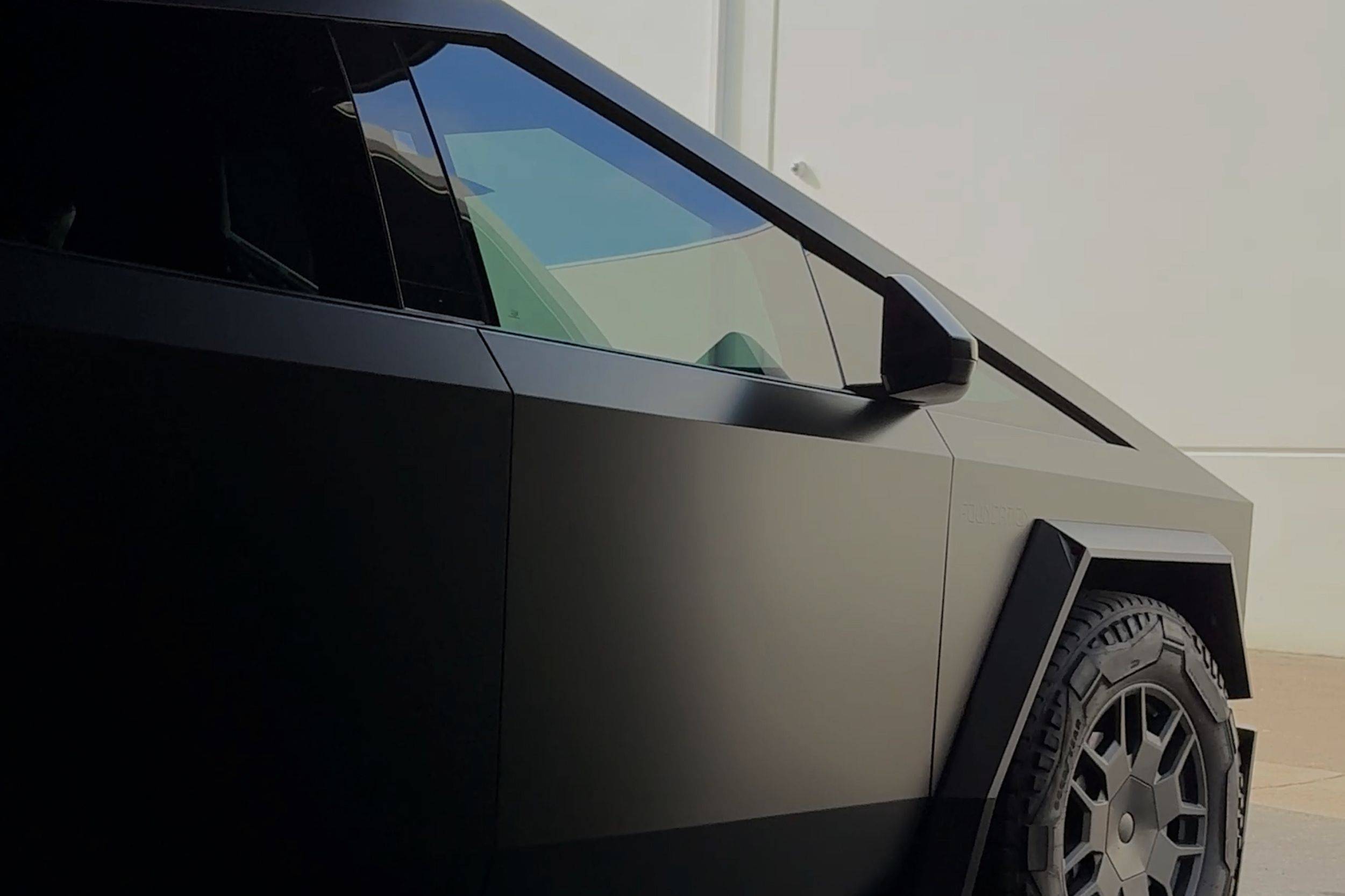
Cybertruck owners can review the dedicated Tesla Cybertruck window tint page.
Window Tinting in Ford City, PA should fit the vehicle and the reason you want tint in the first place.
A good film choice can reduce infrared heat, cut glare, block UV exposure, add privacy, and give the glass a cleaner appearance without forcing every owner into the darkest shade.
To compare window film for your car, truck, SUV, or EV, call Ceramic Pro Indiana County at (724) 487-5404 or schedule an appointment through the contact page.
Window Tinting in Ford City, PA can reduce infrared heat, cut glare, add privacy, block a large share of UV radiation, and change the appearance of vehicle glass. The result depends on the film and VLT selected.
Ceramic Pro Indiana County installs Carbon X, Ceramic X, Ceramic IR, and Ultimate IR. Carbon X uses carbon construction, Ceramic X combines ceramic and carbon, and Ceramic IR and Ultimate IR use ceramic construction.
No. Darker tint means less visible light passes through. Heat rejection depends on the film construction. A lighter ceramic film can reject more infrared heat than a darker lower-tier film.
Ceramic Pro’s current carbon and ceramic films are nonmetallic and are designed not to interfere with GPS, cellular, Bluetooth, radio, satellite, or related electronic signals.
PennDOT’s April 2025 fact sheet lists 70% minimum total light transmission for the windshield and front side windows across the vehicle categories shown. It also lists 70% for the rear side and rear windows of 1998 and newer passenger cars. Trucks and qualifying multi-purpose passenger vehicles have no rear-side or rear-window light-transmission requirement listed in the chart.
Ceramic Pro’s current KAVACA aftercare says to wait three to five days before rolling the tinted windows down. Full curing can take one to four weeks depending on environmental conditions. Follow the instructions provided when your vehicle is released.
Ceramic Pro Indiana County serves Ford City, PA and installs window tint at 7515 US-119 S, Josephine, PA 15750. The shop offers Carbon X, Ceramic X, Ceramic IR, and Ultimate IR. Call (724) 487-5404 or contact Ceramic Pro Indiana County to request a quote or schedule an appointment.
Window Tint in Josephine, PA & Indiana County, PA
Publisher: Ceramic Pro Indiana County
Publication Date: Not listed
Used for: Local window tint service, film availability, installation-time estimate, shop address, phone number, and Ford City, PA service-area confirmation.
Ceramic Pro Window Tint
Publisher: Ceramic Pro
Publication Date: Current page, accessed October 2026
Used for: Carbon X, Ceramic X, Ceramic IR, and Ultimate IR comparison, construction, maximum heat-rejection figures, UV protection, VLT choices, signal compatibility, and warranty information.
Carbon X Window Tint
Publisher: Ceramic Pro
Publication Date: Not listed
Used for: Carbon X nano-carbon construction, film-only infrared blocking, nonmetallic design, UV protection, shade choices, and lifetime warranty information.
Ceramic X Window Tint
Publisher: Ceramic Pro
Publication Date: Not listed
Used for: Ceramic X infrared rejection, factory-glass color matching, nonmetallic construction, VLT selection, and lifetime warranty information.
Ceramic IR Window Tint
Publisher: Ceramic Pro
Publication Date: Not listed
Used for: Ceramic IR nano-ceramic construction, infrared heat rejection, VLT selection, signal clarity, and film characteristics.
Ultimate IR Window Tint
Publisher: Ceramic Pro
Publication Date: Not listed
Used for: Ultimate IR ceramic construction, up to 99% infrared rejection, 99%+ UV protection, near-clear 80% VLT performance, signal compatibility, and lifetime warranty.
KAVACA Window Tint Aftercare
Publisher: Ceramic Pro
Publication Date: Not listed
Used for: Window-roll-down wait, curing time, temporary curing appearance, first-cleaning guidance, microfiber cleaning, and cleaner restrictions.
Vehicle Window Tint Fact Sheet
Publisher: Pennsylvania Department of Transportation
Publication Date: April 2025
Used for: Pennsylvania total light-transmission requirements, passenger-car and truck/MPV differences, inspection information, medical-exemption reference, and roadside enforcement guidance.
Legal note: Window tint rules and enforcement can change. This article is general information, not legal advice. Check the current PennDOT Vehicle Window Tint Fact Sheet before selecting film for regulated glass.
At Ceramic Pro Indiana County, we offer a full range of auto protection services to keep your car looking its best—and staying protected for the long haul. From scratch-resistant film and gloss-enhancing coatings to UV-blocking window tint, we’re your certified local experts.
Explore the many services we offer by clicking the boxes below