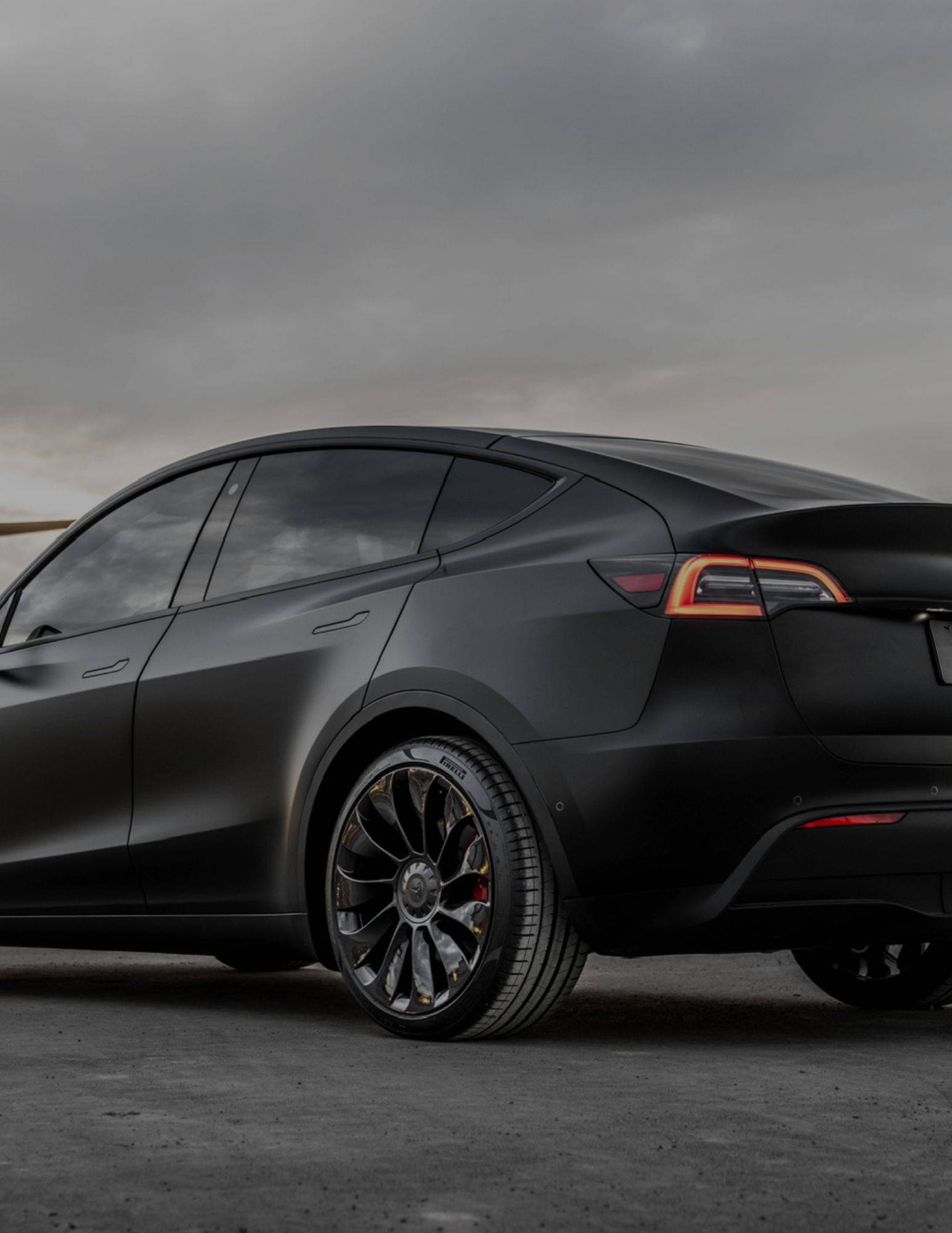
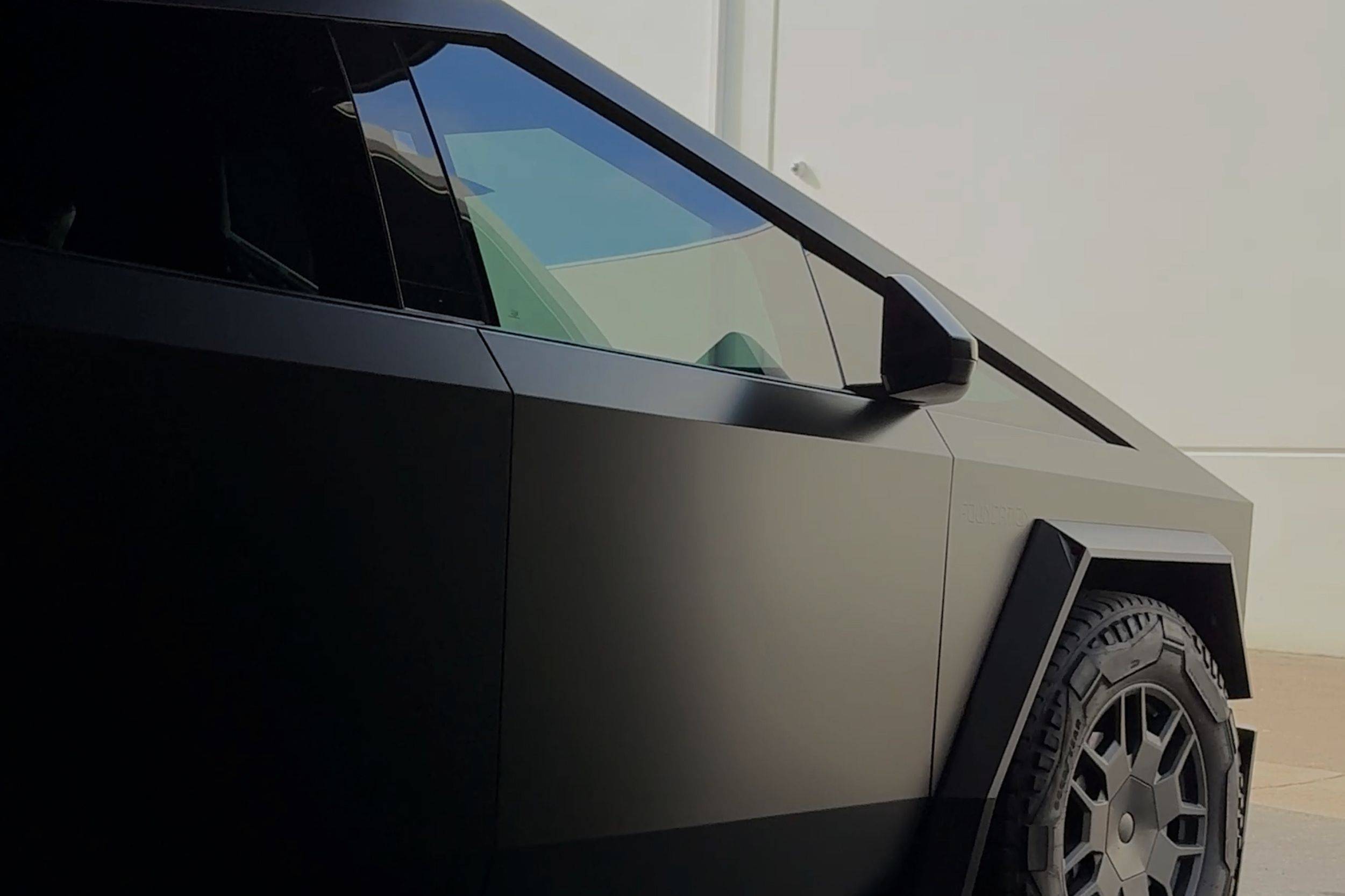
Ceramic Pro window tint lines give drivers several ways to reduce solar heat, block UV rays, cut glare, add privacy, and change how their vehicle’s glass looks. At Ceramic Pro Indiana County, drivers can compare Carbon CS, Carbon X, Ceramic X, and Ultimate IR before choosing the film that fits their vehicle and driving habits.
The names can sound similar, but these Ceramic Pro window tint lines are not the same. Carbon CS is a nano-carbon film aimed at drivers who want color stability and heat rejection without moving into ceramic film. Carbon X raises heat performance within the carbon category. Ceramic X moves into ceramic and carbon construction. Ultimate IR sits at the top of the group with Ceramic Pro’s highest infrared heat rejection and a wider range of VLT choices.
There is one detail worth clearing up before comparing them. Ceramic Pro’s current national window tint comparison lists Carbon X, Ceramic X, Ceramic IR, and Ultimate IR as its four-tier lineup. Carbon CS is not shown in that current national four-film table, but Ceramic Pro Indiana County still has a dedicated Carbon CS window tint service page and offers it locally.
So which of these Ceramic Pro window tint lines should you choose? Let’s break it down.
The easiest way to start comparing Ceramic Pro window tint lines is to look at where each film sits based on construction and published performance.
| Window Tint | Film Type | Published Heat or IR Figure | UV Blocking | Signal Friendly | Warranty |
|---|---|---|---|---|---|
| Carbon CS | Nano-carbon | Up to 70% IR heat rejection | 99%+ | Yes | Lifetime listed by Ceramic Pro Indiana County |
| Carbon X | Carbon | 95% max heat rejection in current Ceramic Pro comparison | 99% | Yes | Lifetime |
| Ceramic X | Ceramic + carbon | 96% max heat rejection in current Ceramic Pro comparison | 99% | Yes | Lifetime |
| Ultimate IR | Ceramic | Up to 99% infrared rejection | 99%+ | Yes | Lifetime |
There is a catch when reading that chart.
Ceramic Pro uses more than one heat-related measurement across its product pages. Carbon X is described as having 74% film-only infrared blocking on Ceramic Pro’s current window tint page, while the same company’s comparison table lists 95% maximum heat rejection. Ceramic X has a similar distinction. Its dedicated page says it rejects up to 80% of infrared heat, while the current national comparison table lists 96% maximum heat rejection.
Those numbers should not be treated as if they were all measuring the exact same thing under the exact same test conditions.
We will explain that difference farther down.
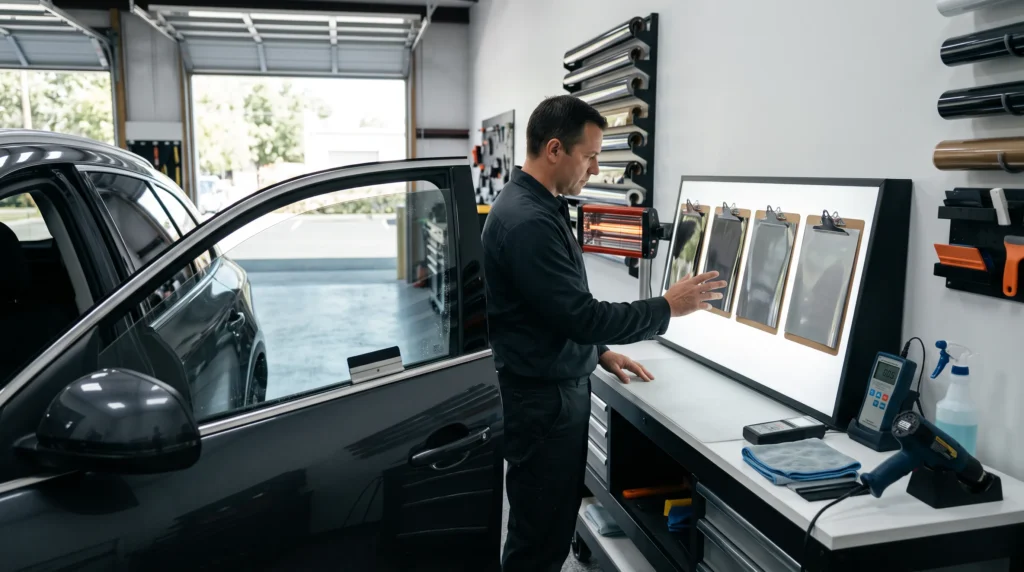
For now, think of the Ceramic Pro window tint lines as a progression from nano-carbon construction toward stronger ceramic heat control.
Carbon CS window tint is the starting point in this four-film comparison.
Ceramic Pro describes Carbon CS as a color-stable nano-carbon window film. The film uses non-metallic carbon particles to manage infrared heat while keeping electronic signals clear.
Ceramic Pro publishes an infrared heat rejection figure of up to 70% for Carbon CS. It also states that the film blocks more than 99% of damaging UV radiation.
Carbon CS is focused on three things: heat control, stable color, and a non-metallic construction.
Older dyed window films can change appearance as they age. Some can develop the purple or faded look many drivers associate with older tint.
Carbon CS is designed to maintain its color rather than depending on a low-grade dye for its appearance.
The film also avoids metallic construction. That matters in newer vehicles filled with electronics.
Phone reception, GPS, Bluetooth, satellite systems, and other wireless features are part of everyday driving. Ceramic Pro says Carbon CS does not interfere with those signals.
Ceramic Pro Indiana County lists Carbon CS in four VLT choices and offers black or charcoal tones.
Among these Ceramic Pro window tint lines, Carbon CS makes sense for an owner who wants:
A driver who mainly wants privacy, UV blocking, glare reduction, and better heat control may find that Carbon CS covers what they need.
Carbon X window tint moves farther up the Ceramic Pro window tint lines.
Ceramic Pro describes Carbon X as a carbon film that bridges the space between entry-level window film and ceramic tint.
Its current national window tint page says Carbon X uses a blend of nano-carbon particles and infrared-blocking materials. Ceramic Pro reports 74% film-only infrared blocking.
The current Ceramic Pro comparison table lists Carbon X at 95% maximum heat rejection, 99% UV protection, four VLT choices, and a lifetime warranty.
Heat control is the biggest reason.
Carbon CS is published at up to 70% infrared heat rejection. Carbon X is designed to move farther toward the heat performance found in Ceramic Pro’s ceramic films.
Carbon X also remains metal-free.
That means drivers can gain higher solar-control performance without moving to a metallic film that could affect electronic signals.
Carbon X has a dark appearance intended to work well with factory privacy glass. This can be useful on SUVs and trucks where the rear windows already have dark factory glass and the owner wants the front side windows to have a closer visual match.
Carbon X fits drivers who want more heat control than Carbon CS but do not feel the need to move into Ceramic X or Ultimate IR.
Among the Ceramic Pro window tint lines in this comparison, it can be a middle ground for:
If you spend a lot of time driving around Josephine, PA or commuting toward Indiana, PA, Carbon X can offer a step up in cabin comfort while staying within carbon-film construction.
Ceramic X window tint is where this comparison moves into ceramic technology.
Ceramic Pro’s current window tint chart identifies Ceramic X as a ceramic and carbon film.
Its dedicated product page says Ceramic X rejects up to 80% of infrared heat and blocks more than 99% of harmful UV radiation.
Ceramic Pro’s current four-tier comparison gives Ceramic X a 96% maximum heat rejection rating, four VLT choices, and a lifetime warranty.
Ceramic window film uses microscopic ceramic particles rather than relying on metallic particles for solar performance.
That allows ceramic tint to deal with infrared heat while avoiding the signal concerns linked with some metallic films.
Ceramic Pro also designed Ceramic X around a rich black appearance that works with factory privacy glass.
What this means for a driver is that Ceramic X is not only about making the windows darker.
It is designed to control heat while keeping electronic signals working normally.
Of the Ceramic Pro window tint lines covered here, Ceramic X makes sense for drivers who want to cross into ceramic-film performance without jumping straight to Ultimate IR.
It can be a strong match for:
Ceramic X also makes sense when cabin heat matters more than simply making the glass look darker.
Ultimate IR window tint sits at the top of these Ceramic Pro window tint lines.
Ceramic Pro calls Ultimate IR its luxury ceramic window film.
Its published specifications state that the film can block up to 99% of infrared radiation and 99%+ of UV radiation.
Ultimate IR is also available in lighter VLT options.
Ceramic Pro says its 80% VLT version can still provide up to 95% infrared blocking while remaining close to transparent.
That makes Ultimate IR different from the idea that strong heat rejection always requires very dark windows.
Modern vehicles often have more glass than older cars.
Large windshields, panoramic roofs, tall side glass, and glass-heavy EV cabins can let a large amount of solar energy reach the interior.
Ultimate IR’s high-VLT choices are designed for owners who want solar control without turning every piece of glass very dark.
Ceramic Pro notes that Ultimate IR is well suited to large automotive glass areas such as panoramic roofs.
Among these Ceramic Pro window tint lines, Ultimate IR is aimed at owners who put heat rejection near the top of their list.
It may fit:
The tradeoff is straightforward. You are choosing the highest film tier from this comparison rather than selecting a carbon or lower-tier ceramic option.
Carbon CS and Carbon X both use carbon technology, but they occupy different positions.
Carbon CS publishes up to 70% infrared heat rejection.
Carbon X is the stronger heat-focused carbon choice in Ceramic Pro’s current lineup.
Both are non-metallic. Both are built to block more than 99% of UV radiation. Both are designed to maintain electronic signal clarity.
Here’s what matters: choose Carbon CS when your goals center on color stability, UV blocking, privacy, and solid heat reduction. Move toward Carbon X when you want stronger solar performance while staying with carbon construction.
This comparison comes down largely to film construction.
Ceramic Pro’s current table identifies Carbon X as carbon and Ceramic X as ceramic plus carbon.
Both have 99% published UV protection. Both carry lifetime warranty coverage on Ceramic Pro’s current lineup page. Both are offered in four VLT choices on that same comparison.
The difference becomes clearer when you look at heat control and material design.
Ceramic X uses ceramic particles to push heat rejection beyond the carbon-film tier.
The real question is whether that extra ceramic performance matters enough for your vehicle and driving habits.
Someone with short local trips may be satisfied with Carbon X. Someone driving long distances, parking outside, or dealing with a glass-heavy cabin may prefer Ceramic X.
Ceramic X and Ultimate IR are much closer in concept than Carbon CS and Ultimate IR.
Both rely on ceramic technology.
Ultimate IR takes the heat-control side farther.
Ceramic Pro’s national comparison lists Ceramic X at 96% maximum heat rejection and Ultimate IR at 99%. Ultimate IR also has eight VLT choices in the current comparison, compared with four for Ceramic X.
Ultimate IR’s lighter films are another major difference.
Ceramic Pro says Ultimate IR 80 can provide up to 95% infrared blocking while maintaining a nearly transparent appearance.
That gives drivers another way to think about Ceramic Pro window tint lines.
You do not have to choose film only by darkness. You can choose according to heat performance too.
Window tint percentages can get confusing quickly.
Ceramic Pro uses terms such as infrared rejection, film-only infrared blocking, and maximum heat rejection on different product materials.
Those numbers are related, but they should not automatically be read as identical measurements.
Infrared radiation is part of the solar energy that contributes to the heat you feel.
A manufacturer’s IR figure describes how much infrared energy is rejected within the test range used for that film.
The exact wavelength range and testing method matter.
VLT stands for Visible Light Transmission.
A lower VLT means less visible light passes through the glass and film.
A 5% film is very dark. A high-VLT film lets much more visible light pass through.
VLT and heat rejection are not the same measurement.
This matters when comparing Ceramic Pro window tint lines because a lighter ceramic film can still reject a high amount of infrared energy.
Carbon X gives a good illustration.
Ceramic Pro’s current product copy states 74% film-only infrared blocking. The national comparison chart lists 95% maximum heat rejection.
Ceramic X has a similar situation. Its dedicated product page states up to 80% infrared heat rejection, while the national comparison lists 96% maximum heat rejection.
Rather than treating every percentage as interchangeable, compare films using the same published metric whenever possible.
That is why an in-person discussion can help when you are choosing between two close options.
Not necessarily.
This is one of the biggest reasons to compare Ceramic Pro window tint lines instead of choosing a film based only on darkness.
Dark tint reduces visible light.
Heat rejection depends heavily on the construction of the film and its ability to manage solar energy, including infrared radiation.
Ultimate IR shows this clearly.
Ceramic Pro publishes strong IR performance even for its lighter 70 and 80 VLT choices.
A driver who wants heat control may not need the darkest film available.
Privacy is different.
If the goal is to make it harder to see into the vehicle, VLT becomes a larger part of the decision.
Your final glass appearance also depends on the glass already installed in the vehicle. Factory privacy glass, windshield construction, sunroofs, and existing glass tint can change the final result.
Shade rules also depend on where the film is installed and the vehicle involved, so talk with the installer about a suitable VLT before selecting the final shade.
Choosing between Ceramic Pro window tint lines gets easier when you start with your goal rather than the product name.
Carbon CS is suited to drivers looking for UV blocking, color stability, signal clarity, privacy, glare reduction, and up to 70% published infrared heat rejection.
It is a sensible starting point for someone who does not need the stronger heat performance of the higher films.
Carbon X is for someone who likes carbon construction but wants more heat control.
It can work well on daily drivers, trucks, and SUVs where matching front windows with darker factory rear glass is part of the goal.
Ceramic X takes the next step with ceramic and carbon construction.
This is where drivers who care more about heat management may find the balance they want without moving all the way to Ultimate IR.
Ultimate IR is the highest heat-control choice among these four Ceramic Pro window tint lines.
It also stands out for owners who want high-VLT film on large pieces of glass while still gaining strong infrared rejection.
Now here’s the thing: there is no single correct window film for every vehicle.
The right choice depends on where you drive, how much time the vehicle spends outside, how dark you want the windows, how much glass the vehicle has, and how strongly you care about infrared heat control.
Ceramic Pro Indiana County installs Ceramic Pro window tint at 7515 US-119 S, Josephine, PA 15750.
The shop is a Ceramic Pro Elite Dealer and offers several Ceramic Pro window tint lines along with paint protection film, ceramic coatings, paint correction, and windshield protection.
Drivers come to the Josephine, PA shop from Indiana, PA, Homer City, PA, and nearby communities.
You can start with the shop’s main window tint service page, then compare the individual films:
Tesla owners can also review Tesla window tinting if they want film selected around Tesla glass and cabin design.
Bottom line, Carbon CS is the straightforward nano-carbon choice, Carbon X raises carbon-film heat performance, Ceramic X moves into ceramic and carbon technology, and Ultimate IR is the heat-rejection leader of the four.
To compare Ceramic Pro window tint lines on your vehicle, call Ceramic Pro Indiana County at (724) 487-5404 or schedule an appointment through the contact page.
Carbon CS is a nano-carbon film with up to 70% published infrared heat rejection and more than 99% UV blocking. Carbon X moves higher in Ceramic Pro’s lineup and is designed for stronger heat performance while retaining non-metallic carbon construction and signal clarity.
Ceramic X uses ceramic and carbon technology, while Carbon X is placed in the carbon category on Ceramic Pro’s current comparison chart. Ceramic X is aimed at drivers who want stronger heat control from ceramic particles. Carbon X can still make sense for owners who prefer a carbon film and do not need to move into the ceramic tier.
Ultimate IR has the highest published heat performance among these Ceramic Pro window tint lines. Ceramic Pro states that Ultimate IR can block up to 99% of infrared radiation. Its lighter 80 VLT film is also published at up to 95% IR blocking.
Yes. Ceramic Pro publishes UV protection of 99% or more across the films discussed here. Carbon CS is listed at more than 99%, while the current national comparison lists 99% UV protection for Carbon X, Ceramic X, Ceramic IR, and Ultimate IR.
No. Darkness is measured by VLT, while heat performance depends on the film’s construction and solar-control properties. A lighter ceramic film can reject more infrared heat than a darker lower-tier film. Ultimate IR is a good case because Ceramic Pro publishes high IR rejection even in near-clear VLT choices.
The Carbon CS, Carbon X, Ceramic X, and Ultimate IR materials discussed here are described as non-metallic or signal-friendly. Ceramic Pro states that these films are designed to work without interfering with mobile, GPS, radio, Bluetooth, or related wireless systems.
Ceramic Pro Indiana County installs Ceramic Pro window tint at 7515 US-119 S, Josephine, PA 15750 and serves drivers from Indiana, PA, Homer City, PA, and nearby areas. Call (724) 487-5404 or contact Ceramic Pro Indiana County to compare Carbon CS, Carbon X, Ceramic X, and Ultimate IR for your vehicle.
Ceramic Pro Window Tint
Publisher: Ceramic Pro
Publication Date: Not listed on page
Used for: Current national lineup, Carbon X, Ceramic X, Ultimate IR, VLT counts, heat-rejection comparison, UV protection, composition, and lifetime warranty information.
KAVACA Carbon Color Stable Window Tint
Publisher: Ceramic Pro
Publication Date: Not listed on page
Used for: Carbon CS nano-carbon construction, up to 70% IR heat rejection, 99%+ UV blocking, color stability, shades, and signal clarity.
Ceramic X Window Tint
Publisher: Ceramic Pro
Publication Date: Not listed on page
Used for: Ceramic X ceramic technology, up to 80% published IR heat rejection, 99%+ UV blocking, factory-glass appearance, signal clarity, and lifetime warranty.
Ultimate IR Window Tint
Publisher: Ceramic Pro
Publication Date: Not listed on page
Used for: Ultimate IR nano-ceramic construction, up to 99% IR rejection, 99%+ UV protection, high-VLT heat performance, signal clarity, and lifetime warranty.
Ceramic Pro Window Tint in Josephine, PA
Publisher: Ceramic Pro Indiana County
Publication Date: Not listed on page
Used for: Local installation information, Ceramic Pro Elite Dealer status, address, phone number, window tint services, and nearby service areas.
Ceramic Pro Carbon CS Window Tint in Josephine, PA
Publisher: Ceramic Pro Indiana County
Publication Date: Not listed on page
Used for: Current local availability of Carbon CS, local shade information, warranty statement, and installation details.
At Ceramic Pro Indiana County, we offer a full range of auto protection services to keep your car looking its best—and staying protected for the long haul. From scratch-resistant film and gloss-enhancing coatings to UV-blocking window tint, we’re your certified local experts.
Explore the many services we offer by clicking the boxes below