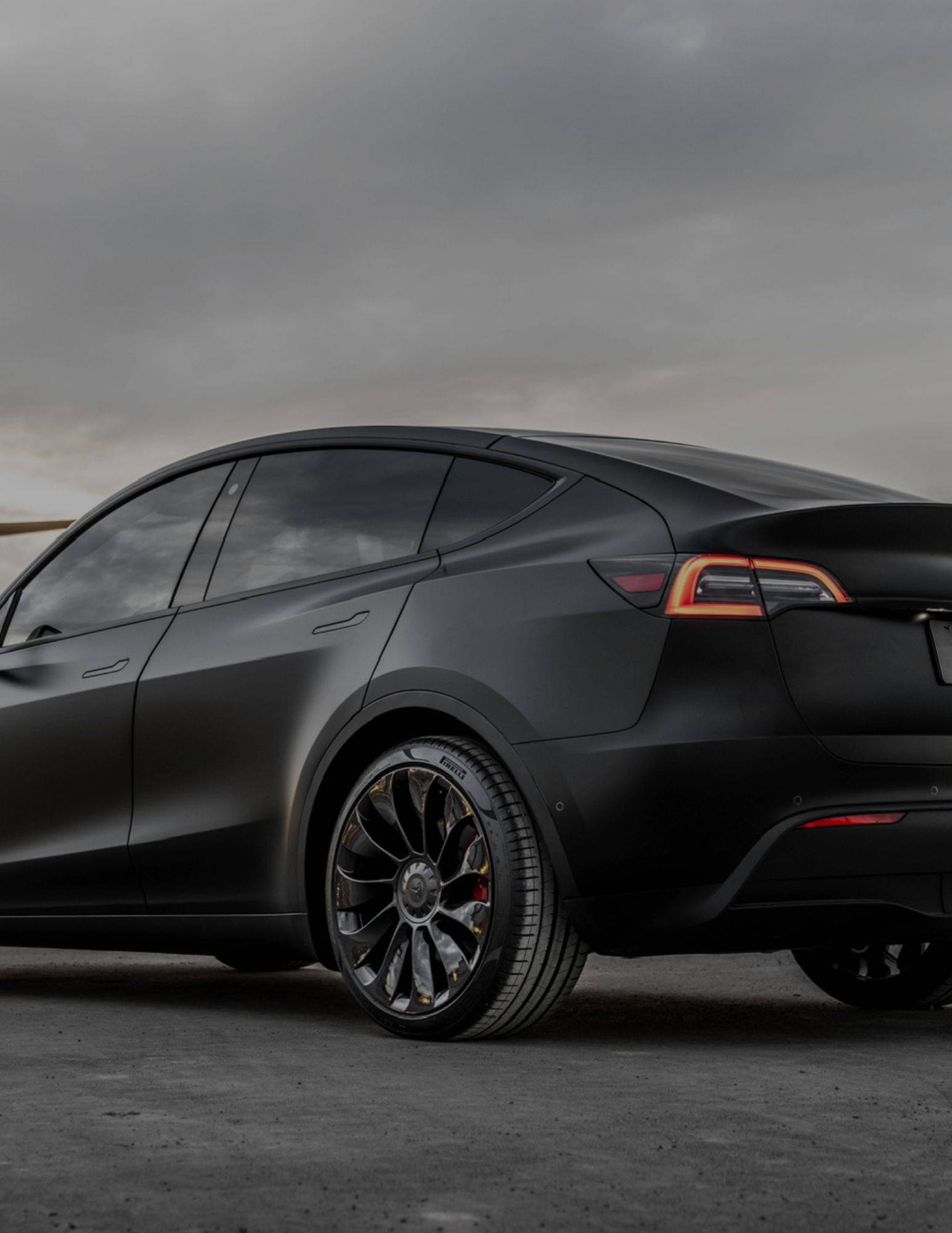
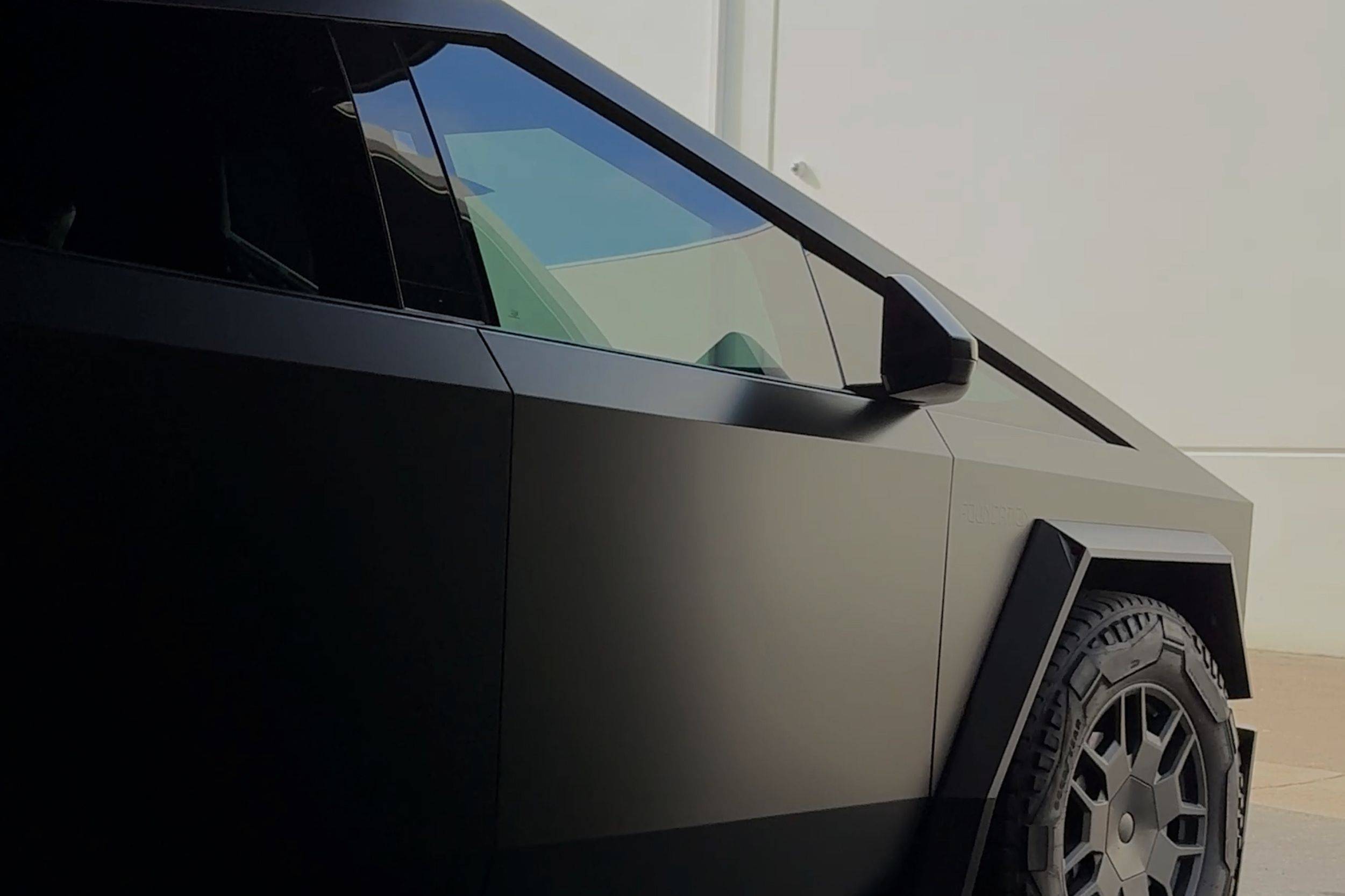
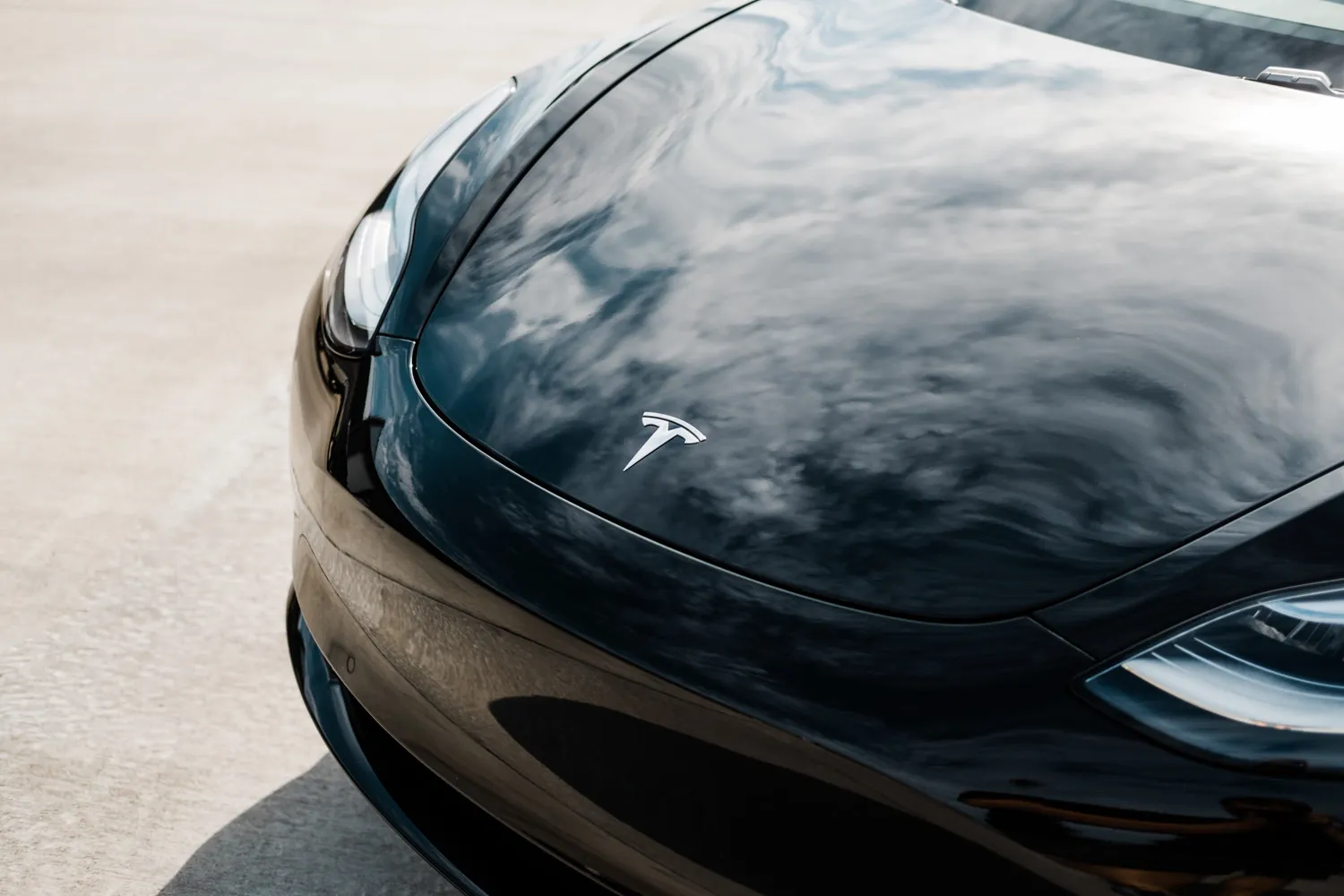
Headlight Protection Film in Western PA gives drivers a clear physical layer over exposed headlamp lenses to help reduce damage from stone chips, pitting, scratches, road debris, bugs, and years of outdoor exposure. Modern headlights can be costly assemblies, and their clear outer lenses sit at the very front of the vehicle where they face nearly everything thrown from the road.
Ceramic Pro Indiana County installs paint protection film over headlights as part of several PPF coverage packages at our Ceramic Pro Elite Dealer shop at 7515 US-119 S in Josephine, PA. We serve drivers from Indiana, PA, Blairsville, PA, Johnstown, PA, Kittanning, PA, Punxsutawney, PA, Latrobe, PA, Ligonier, PA, and surrounding Western Pennsylvania communities.
Many automotive headlamp lenses are made from polycarbonate or acrylic plastic with a protective surface coating. Over time, UV exposure, heat, moisture, abrasion, and road debris can affect that outer surface. Once a lens becomes yellow, cloudy, heavily pitted, or scratched, nighttime appearance and light output can suffer.
Headlight Protection Film in Western PA places transparent urethane film over the lens before much of that road contact reaches the original surface.
This guide explains why headlight lenses haze, how PPF can help with chips and pitting, when film should be installed, what happens if the headlights are already cloudy, and how headlight film fits with front-end PPF.
Many newer vehicles use plastic headlamp lenses rather than traditional glass.
Ceramic Pro notes that acrylic and polycarbonate headlight lenses are commonly manufactured with a UV-protective clear surface coating.
That outer layer spends years exposed to:
As the exposed surface ages, the lens can begin to look cloudy, faded, or yellow.
UV exposure is one part of that aging process.
The plastic itself may still be structurally sound while the outer surface loses clarity.
Headlight Protection Film in Western PA adds another transparent layer over the original lens.
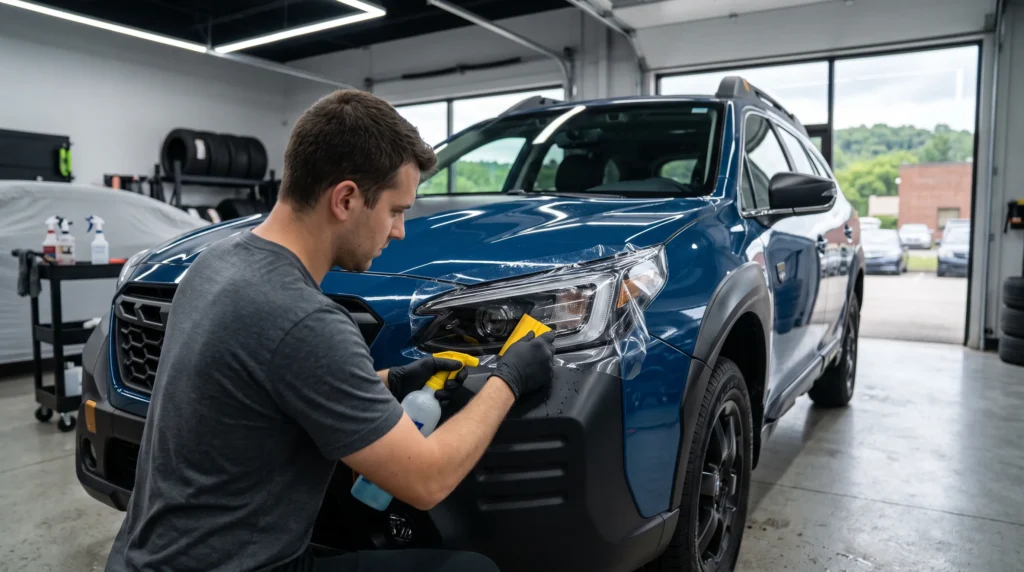
Rather than leaving the factory surface fully exposed to sun, washing, bugs, and road abrasion, the PPF becomes the outermost surface.
That can be especially useful on newer vehicles where the headlights are still clear.
Look closely at the headlights on a high-mileage vehicle and you may see hundreds of tiny dots.
Many of those marks come from road debris striking the lens.
Headlights are placed directly beside or above the front bumper, so they face the same road environment as the rest of the front end.
Small stones and grit can strike the lens repeatedly.
Over time, this can create:
A single small impact may barely be noticeable.
Years of repeated impacts can create a sandblasted appearance.
Headlight Protection Film in Western PA places urethane film between that debris and the headlamp lens.
The film can take many light impacts first.
PPF cannot guarantee that a headlight will never crack. A large stone, collision, or hard impact can still damage the assembly.
Its role is to reduce everyday surface wear from the smaller hazards encountered during normal driving.
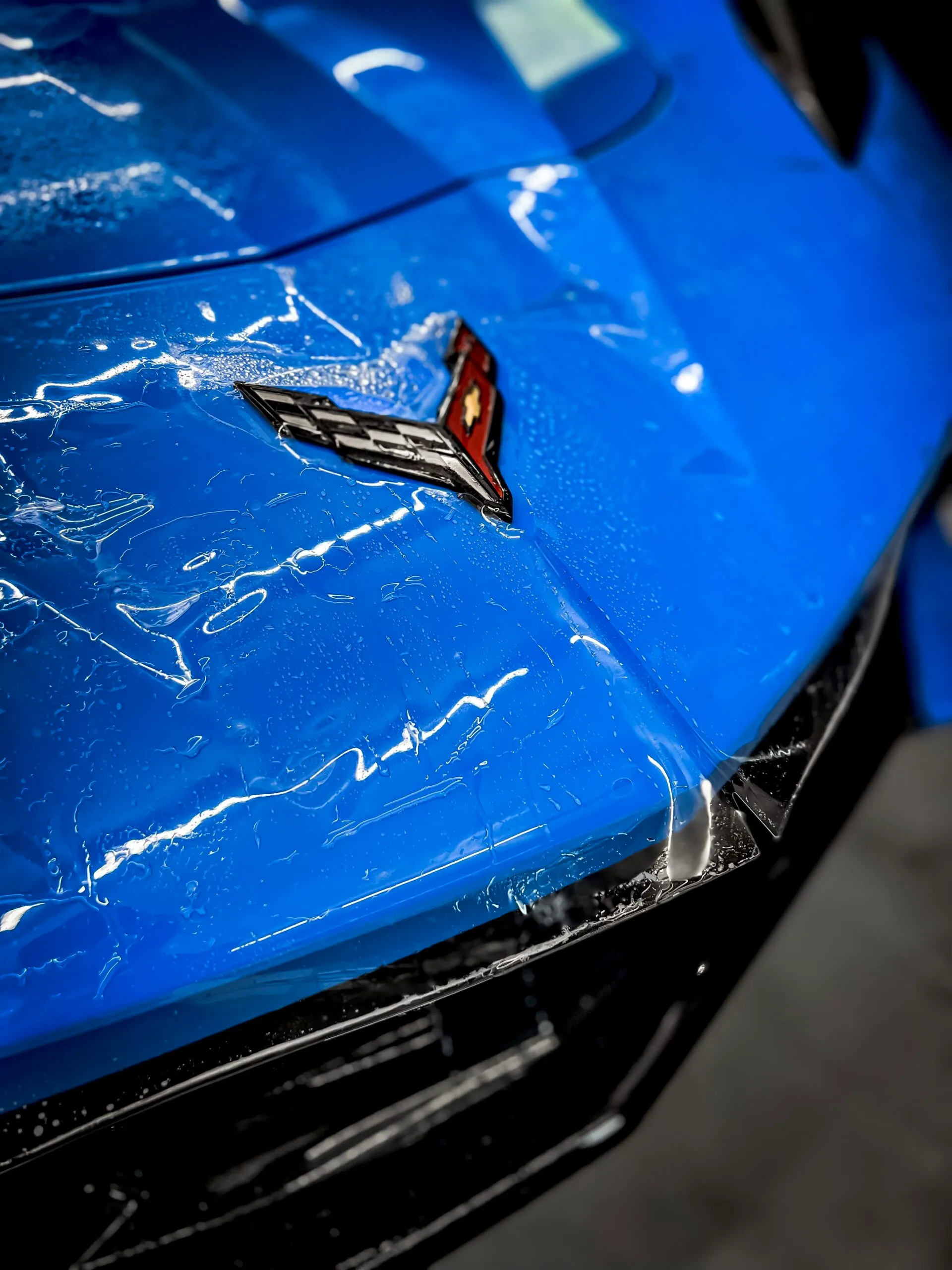
Paint protection film is a transparent urethane material.
It is commonly used on vehicle paint, but it can also be fitted over compatible headlight lenses.
Ceramic Pro Indiana County includes headlights in several Paint Protection Film coverage packages.
Once installed, the film becomes the exposed surface.
Road debris meets the PPF before it reaches the lens beneath it.
That can help with:
The film is transparent, so the goal is to protect the lens without changing its normal clear appearance.
Professional installation also allows the film to follow the headlight shape and edges closely.
Modern headlights can have sharp curves, narrow corners, sculpted sections, and complex outlines.
Proper film fitting matters if the finished job is supposed to look clean.
Headlight Protection Film in Western PA can help shield the original lens surface from direct environmental exposure.
Ceramic Pro describes its headlight PPF as resistant to UV exposure and road damage.
That does not mean the complete headlight assembly can never age.
Heat, internal moisture, failed seals, electrical issues, and material aging can still occur.
What the film can do is cover the exterior lens surface.
That means the factory lens is no longer taking direct contact from every bug, wash mitt, stone, dirty winter spray, and hour of outside exposure.
If your headlights are new and clear, applying film before heavy surface wear develops usually makes more sense than waiting until the lenses already look yellow and rough.
Headlight PPF is made to help absorb light road impacts.
Ceramic Pro describes PPF as an impact-resistant film used on exposed areas such as headlights, bumpers, hoods, and mirrors.
That makes it well suited to the small stones and road grit a vehicle sees during normal travel.
Think about driving behind a truck on a Pennsylvania state route.
Its tires can send small particles backward.
Those particles may reach:
Headlight Protection Film in Western PA gives the lens another material layer to take that contact.
A hard strike can still damage both the film and lens.
The goal is to reduce common pitting and surface marks rather than make the headlight impact-proof.
Ceramic Pro PPF uses a self-healing top surface.
Self-healing refers to certain light marks in the film.
Heat can allow minor surface scratches in the PPF to become less noticeable.
That can help because headlights receive regular contact during washing and driving.
Small marks that might otherwise remain visible on an unprotected surface can occur in the film instead.
Self-healing does not repair:
If the film takes heavier damage, it may need replacement.
That replaceable nature is one reason Headlight Protection Film in Western PA can appeal to owners of newer vehicles.
The film acts as the sacrificial outer surface rather than leaving the original lens exposed.
Headlight film works most naturally as a preventive service.
If the headlights are new, clear, and in good condition, film can be installed over that existing finish.
If the lenses are already cloudy or yellow, placing clear PPF over them does not automatically repair the damage underneath.
The existing lens should be inspected first.
Cloudiness can come from more than one source.
It may be caused by:
If the haze is inside the headlight, polishing the outer lens will not remove it.
The source of the problem needs to be found before film is applied.
Some externally hazed headlights can be restored before receiving Headlight Protection Film in Western PA.
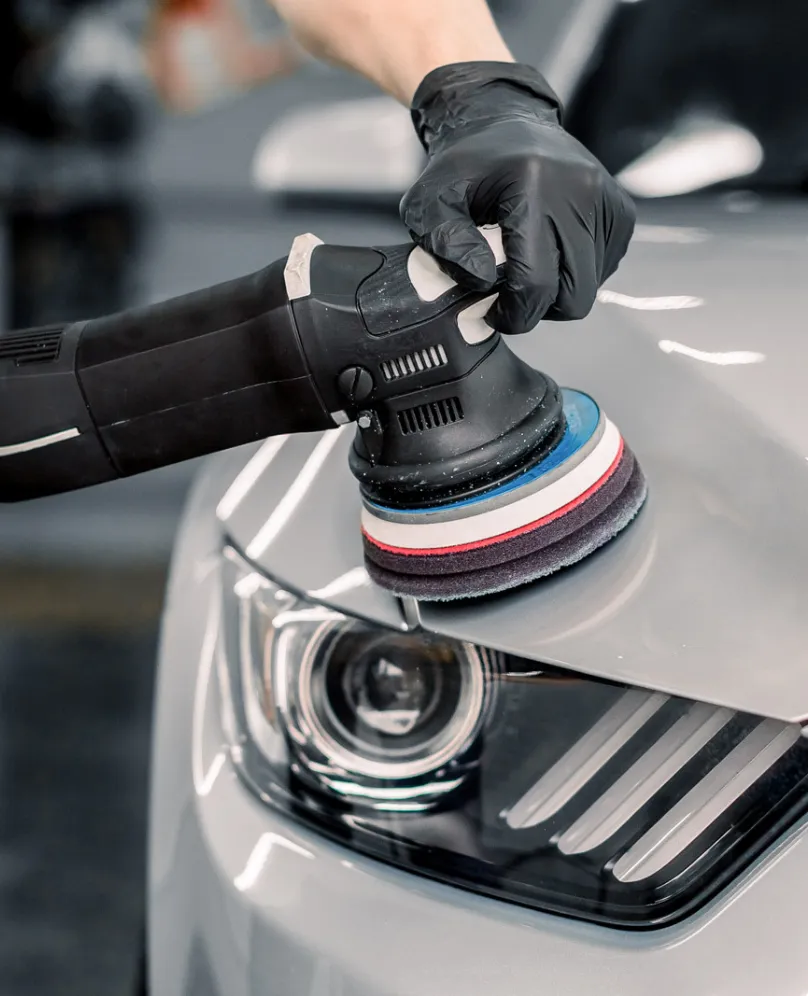
Restoration may involve removing damaged outer material and refining the lens surface.
The exact approach depends on the condition of the headlight.
Ceramic Pro’s headlight guidance says a technician should first check whether the fogging is caused by an exterior surface problem or a leak that has allowed moisture inside the assembly.
If the outer surface can be restored, film may be installed afterward to cover the newly prepared lens.
The order matters:
PPF should not be used to hide a damaged headlight that needs repair or replacement.
Western Pennsylvania winters can put more debris in front of a vehicle.
PennDOT says winter road treatments may include:
PennDOT District 10 identifies anti-skid as crushed limestone used to provide traction.
That matters for headlights because small road particles can be kicked into the air by traffic.
Winter driving can send wet grit and dirty spray across the front end repeatedly.
Headlight Protection Film in Western PA gives the front lenses a physical surface layer during these conditions.
Drivers should still keep headlights clean.
Salt, grime, and dirty road film can reduce clarity when they build on the outside of any headlight, protected or not.
Rinse and wash the lenses regularly through winter when weather conditions allow.
PPF and ceramic coating work differently.
PPF gives the lens a physical urethane layer.
It is more closely suited to:
Ceramic coating creates a much thinner treated surface.
It is more closely suited to:
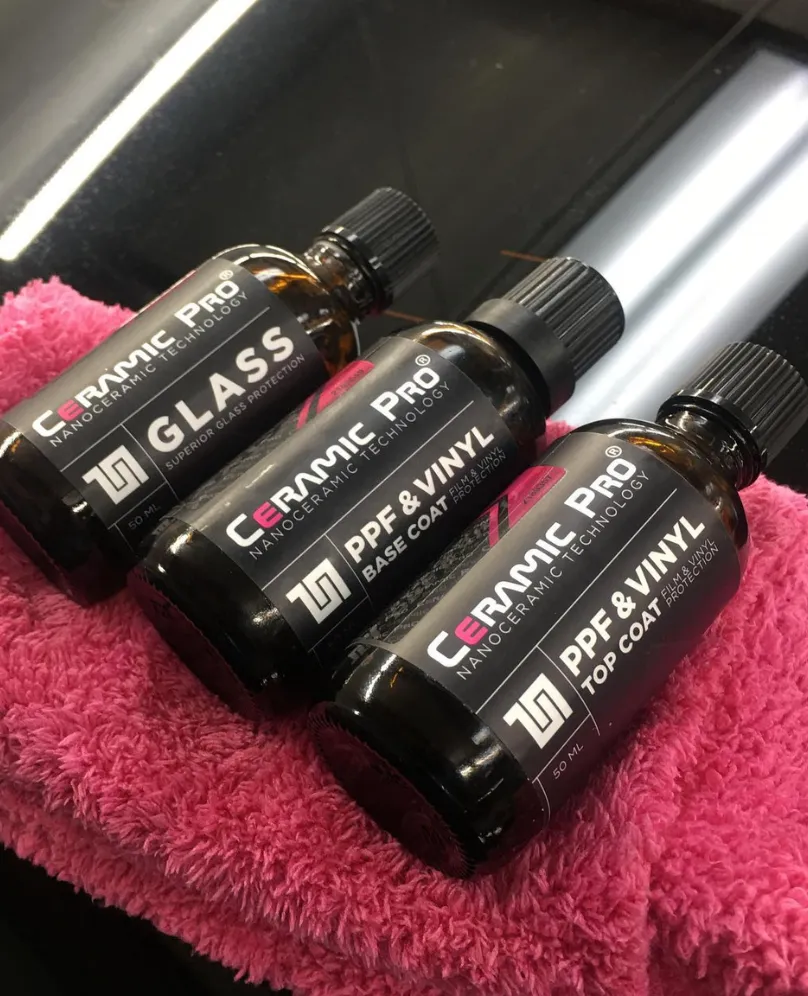
Ceramic Pro states that compatible ceramic coatings can be used on headlight covers.
If your biggest concern is stones and pitting, Headlight Protection Film in Western PA is the closer match because it adds physical thickness.
If easier cleaning is the goal, a coating can also be discussed.
Some vehicles use both types of protection where the products are compatible.
You do not need to purchase full-body PPF just to cover the headlights.
Ceramic Pro Indiana County’s current PPF menu lists headlights in its Partial Front package.
The current Partial Front package includes:
This creates a focused protection plan for the very front of the vehicle.
It can make sense for someone whose main concern is direct road debris.
The bumper and lighting surfaces sit at the front edge of the vehicle and regularly catch small stones, bugs, winter grit, and other material.
Review our Ceramic Pro Urban Paint Protection Film page to see the current coverage structure.
Drivers who want the headlights protected along with more front-end paint can look at Full Front PPF.
Ceramic Pro Indiana County currently lists Full Front coverage for:
This covers a much larger portion of the surfaces facing road debris.
Full Front coverage can make sense for vehicles that spend many miles on highways and state routes.
A stone that travels over the bumper may hit the hood.
Another may reach the fender or mirror.
Headlight Protection Film in Western PA can therefore be installed as part of a broader front-end plan rather than as an isolated service.
Tesla headlights can also be included within Ceramic Pro Indiana County’s dedicated Tesla Paint Protection Film packages.
Our current Tesla Partial Front package lists:
Full Front and Full Vehicle packages also include the headlights.
This applies to owners considering protection for vehicles such as Model 3, Model Y, Model S, and Model X.
Tesla headlights sit within sculpted front-end designs and can face the same stone impacts and surface pitting as other modern vehicles.
Headlight Protection Film in Western PA can be paired with bumper, hood, fender, or complete vehicle PPF depending on the coverage the owner wants.
PPF needs care even though it is a protective material.
Ceramic Pro’s current PPF aftercare guidance warns against harsh washing chemicals and high-pressure washing that can lift film edges.
When cleaning protected headlights:
Headlights collect bugs quickly during warmer months.
Allowing dried bug residue to remain on the film for long periods is unnecessary when gentle cleaning can remove it sooner.
Winter salt and road grime should also be washed away regularly.
If an edge begins lifting or the film receives a deep cut, contact the installer rather than trying to repair it with household adhesives or sharp tools.
Ceramic Pro Indiana County installs Headlight Protection Film in Western PA at:
7515 US-119 S Josephine, PA 15750
Our business hours are:
Monday through Friday 10 AM to 8 PM
We serve drivers from communities across Western Pennsylvania, including:
Ceramic Pro Indiana County is a Ceramic Pro certified installer and Ceramic Pro Elite Dealer.
Drivers can pair headlight film with:
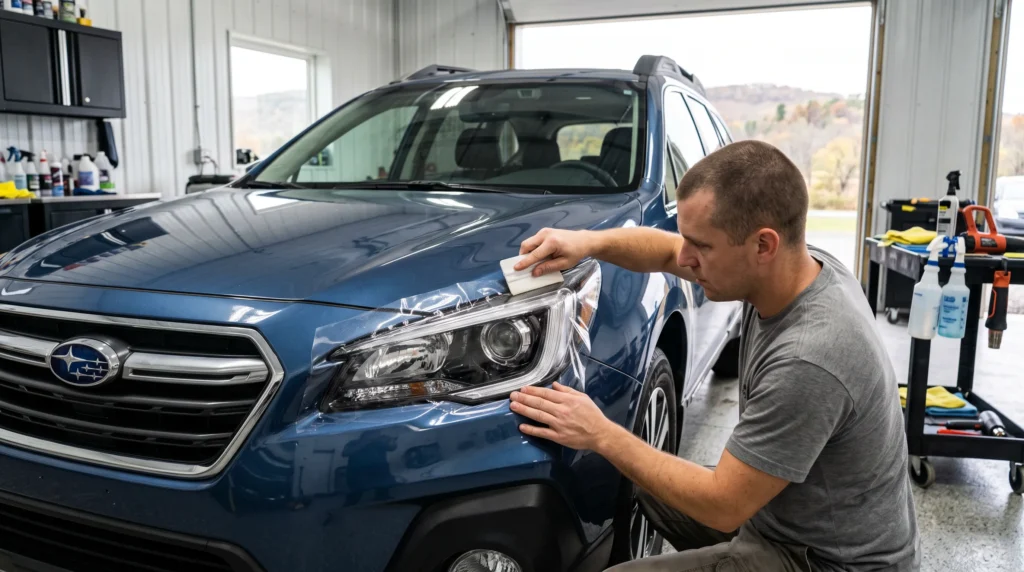
If you are buying a new vehicle, protecting the headlights early can help keep the original lens surface from taking years of direct road wear.
If the headlights are already hazy, have them inspected first.
Headlight Protection Film in Western PA is worth considering before your headlights become heavily pitted, scratched, or weathered.
The film creates a clear urethane layer over the lens.
That layer takes much of the everyday surface contact from stones, road debris, bugs, washing, salt, and dirty winter spray.
PPF cannot prevent every form of headlight damage.
It will not stop a large impact from cracking a lens.
It cannot repair moisture trapped inside a failed headlight assembly.
It also cannot reverse heavy existing oxidation simply by being placed over it.
Where it makes sense is preventive care.
Install the film while the lenses are still clear, or restore suitable externally hazed lenses before protecting them.
Ceramic Pro Indiana County includes headlights in several current PPF packages, allowing you to protect just the high-exposure front area or combine headlight protection with hood, fender, bumper, mirror, and full-vehicle coverage.
Call Ceramic Pro Indiana County at (724) 487-5404 to discuss your vehicle and Headlight Protection Film in Western PA.
You can also contact Ceramic Pro Indiana County to request an appointment and quote.
Bottom line, your headlights spend every mile at the front of the vehicle. Covering the clear lenses with PPF gives road grit and small debris a replaceable film surface to hit before the original headlight lens.
Headlight PPF covers the exterior lens and can reduce direct exposure to UV, washing abrasion, bugs, and road contamination. Ceramic Pro describes its PPF as resistant to UV exposure. Headlight assemblies can still age from other causes, including heat and internal moisture.
PPF can help protect headlights from small stones, road grit, pitting, and light surface impacts. It cannot guarantee protection against large stones, crashes, or impacts strong enough to crack the headlight assembly.
The headlights should be inspected first. Clear film will not repair an oxidized or damaged surface underneath. If the haze is external and the lens can be restored, restoration may be performed before PPF installation. Internal condensation or failed seals require another type of repair.
Yes. Ceramic Pro Indiana County currently lists headlights and fog lights in Partial Front PPF coverage. Headlights are also listed in Full Front and Full Vehicle packages.
No. Ceramic coating is a thin treated surface that can help with water repellency, cleaning, UV exposure, and contamination. PPF is a thicker urethane film suited to physical surface hazards such as small stone impacts, scratches, and pitting.
Yes. Ceramic Pro Indiana County lists headlights within its current Tesla PPF packages. Partial Front, Full Front, and Full Vehicle coverage can include Tesla headlight protection depending on the selected package.
Ceramic Pro Indiana County installs PPF at 7515 US-119 S, Josephine, PA 15750. Call (724) 487-5404 or use our contact page to discuss headlight, bumper, Full Front, or Full Vehicle PPF.
At Ceramic Pro Indiana County, we offer a full range of auto protection services to keep your car looking its best—and staying protected for the long haul. From scratch-resistant film and gloss-enhancing coatings to UV-blocking window tint, we’re your certified local experts.
Explore the many services we offer by clicking the boxes below