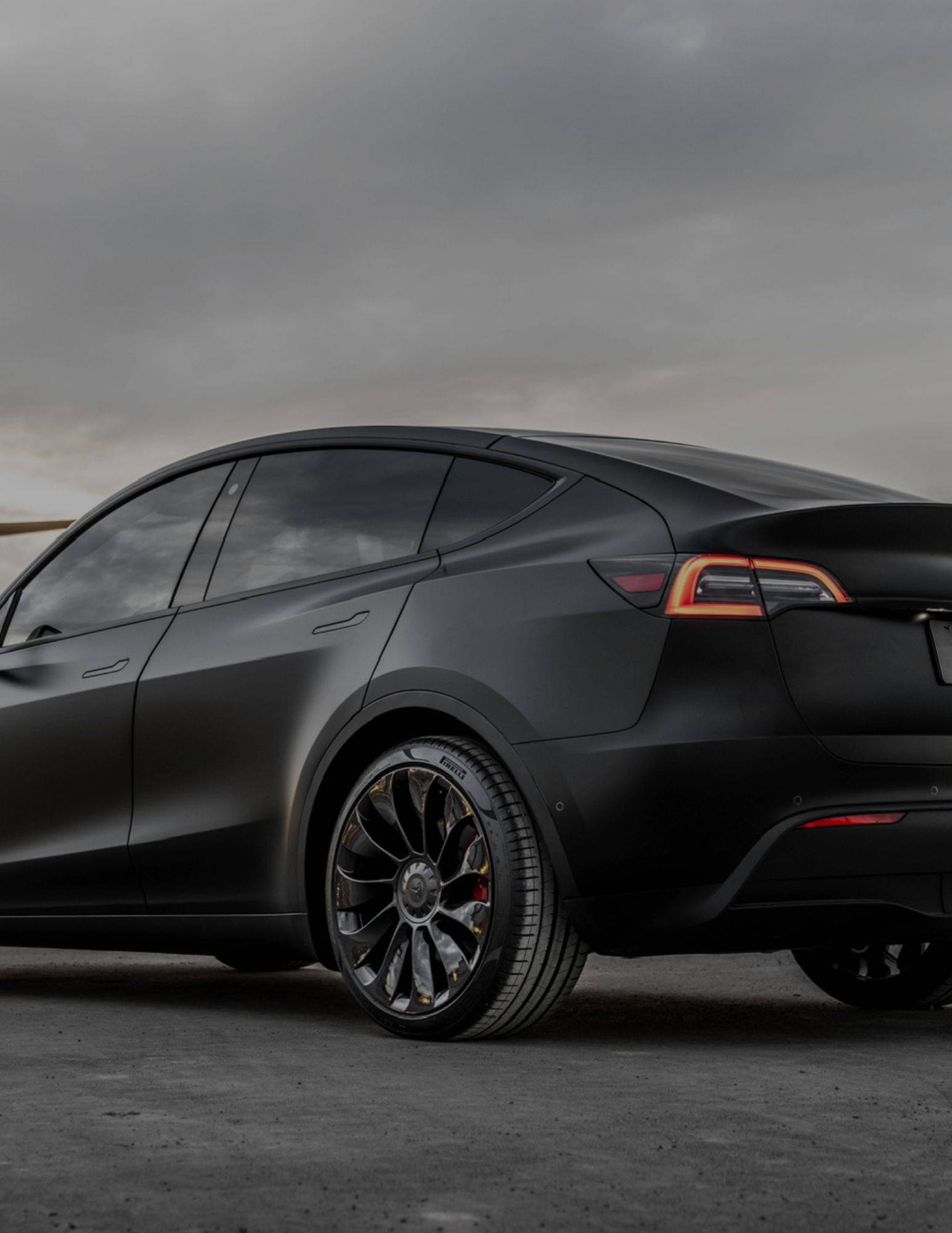
Window Tinting in Apollo & Vandergrift, PA gives local drivers a practical way to cut glare, reduce solar heat, block UV rays, and give their vehicle a cleaner appearance. Choosing a film takes more thought than simply picking the darkest shade on a sample board. Film construction, visible light transmission, infrared rejection, factory glass, vehicle type, and Pennsylvania tint rules all affect the finished result.
Ceramic Pro Indiana County installs Ceramic Pro window tint for drivers from Apollo, PA, Vandergrift, PA, and nearby western Pennsylvania communities. Our Ceramic Pro Elite Dealer shop is located at 7515 US-119 S in Josephine, PA.
We work with cars, trucks, SUVs, Teslas, and other vehicles, offering several Ceramic Pro tint choices for drivers with different goals. Some owners want a dark, uniform appearance. Some want less heat inside the cabin. Others want strong UV and infrared protection while keeping their windows relatively light.
This guide explains what to compare before scheduling Window Tinting in Apollo & Vandergrift, PA and how Ceramic Pro’s carbon and ceramic films differ.
Drivers searching for Window Tinting in Apollo & Vandergrift, PA usually have more than one reason for tinting their vehicle.
Heat is often near the top of the list. Vehicles parked outside can heat up quickly when sunlight passes through automotive glass. Window film designed to reject infrared energy can reduce how much solar heat enters through the windows.
Glare is another concern. Bright sunlight can make daily driving uncomfortable, especially when the sun is low in the sky. Tint reduces visible light entering through the glass, which can help cut glare.
UV exposure matters too. Ceramic Pro states that its window films can block up to 99% or more of harmful ultraviolet radiation, depending on the film. UV exposure can affect people inside the vehicle and interior materials such as leather, plastics, upholstery, and trim.
Then there is appearance.
Window tint can give a sedan, coupe, pickup, SUV, or Tesla a darker and more uniform look. It can also help lighter front glass blend better with factory privacy glass on some trucks and SUVs.
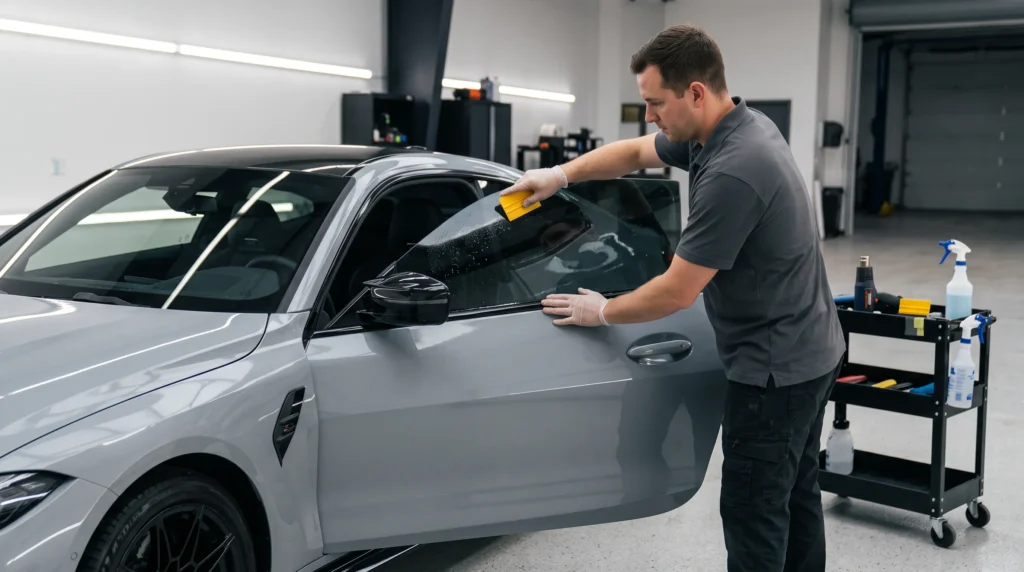
Drivers from Apollo, PA and Vandergrift, PA can view our main Ceramic Pro Window Tint service before scheduling an appointment.
Good window tint does more than make automotive glass darker.
Depending on the film selected, window tint can help with:
The film you choose determines how strongly it addresses each goal.
Here is why. Visible light and infrared energy are not the same thing. A film may reduce a large amount of visible light without rejecting the same percentage of infrared energy as a higher-grade ceramic film.
This difference becomes useful when comparing Window Tinting in Apollo & Vandergrift, PA.
A driver who mainly wants a darker appearance may select film differently from someone who wants very high infrared rejection. A driver who wants to retain a near-factory appearance may want a lighter ceramic film instead.
Start by deciding what you want the tint to accomplish.
VLT stands for visible light transmission.
The percentage tells you how much visible light passes through the glass.
A higher VLT lets more visible light through. A lower VLT produces darker-looking glass.
A window measuring 70% VLT allows much more visible light to pass through than a window measuring 20% VLT.
The catch is that a film’s stated VLT is not necessarily the final VLT after installation.
Automotive glass can already reduce some visible light before aftermarket film is added. Once tint is installed over that glass, the combined light transmission can be lower than the film rating alone.
This matters when choosing Window Tinting in Apollo & Vandergrift, PA because Pennsylvania uses total light transmittance when applying its tint rules.
Picking a percentage without accounting for factory glass can lead to a finished reading that is darker than expected.
Ask about the glass, film, vehicle classification, and desired finished appearance before settling on a shade.
Two major film categories available through Ceramic Pro are carbon and ceramic window film.
Carbon film uses carbon-based material to control visible light, glare, UV exposure, and some infrared heat. Ceramic film uses ceramic technology designed to provide stronger solar control, depending on the product.
Neither needs a metallic layer.
That matters in a modern vehicle because drivers regularly use:
Metal-free tint avoids the signal concerns associated with some older metallic film designs.
Drivers comparing Window Tinting in Apollo & Vandergrift, PA should think about how much time they spend in the vehicle, where the vehicle is parked, desired shade, and how strongly they want to reduce infrared heat.
Let’s break it down by film.
Ceramic Pro Carbon X Window Tint is a carbon-based option for drivers who want a dark appearance, UV protection, glare reduction, and heat control.
Ceramic Pro describes Carbon X as using non-metallic nano-carbon technology.
According to Ceramic Pro, Carbon X:
Carbon X can make sense for a daily-use vehicle when the owner wants a straightforward balance between appearance and solar protection.
A driver from Apollo, PA may want the windows to have a darker, more consistent appearance while cutting glare during everyday travel. A driver from Vandergrift, PA may be more interested in reducing cabin heat while keeping a dark factory-style look.
Carbon X gives both owners a place to start comparing films.
Ceramic Pro Ceramic IR Window Tint moves further toward infrared heat rejection.
Ceramic Pro reports that Ceramic IR can filter up to 96% of infrared heat while blocking 99% or more of harmful UVA and UVB rays.
The film uses nano-ceramic technology rather than metallic construction.
For someone researching Window Tinting in Apollo & Vandergrift, PA, Ceramic IR can make sense when cabin heat is a bigger concern than simply making the windows darker.
Think about a vehicle that spends much of the workday parked outside. When the owner returns, the cabin, seats, steering wheel, dashboard, and trim have been exposed to hours of sunlight.
Reducing the amount of infrared energy passing through the windows can help address that heat load.
Ceramic IR may be worth comparing for:
The correct VLT still depends on the vehicle and Pennsylvania rules.
Ceramic Pro Ultimate IR is the highest-performing infrared-rejection tint currently listed in Ceramic Pro’s window film range.
Ceramic Pro states that Ultimate IR can block up to 99% of infrared radiation.
That number matters because it shows why tint darkness and heat rejection should not be treated as the same thing.
Ultimate IR is designed to provide strong infrared rejection even when a driver does not want extremely dark glass.
For Window Tinting in Apollo & Vandergrift, PA, this can suit an owner who wants:
Ultimate IR is available through Ceramic Pro Elite Dealers, which includes Ceramic Pro Indiana County.
If your biggest concern is heat rather than darkness, ask us to compare Ultimate IR with the other Ceramic Pro films available for your vehicle.
No.
This is one of the most useful things to know before buying Window Tinting in Apollo & Vandergrift, PA.
Darkness describes how much visible light passes through the window. Heat rejection depends heavily on the film’s ability to block or reject solar energy, including infrared radiation.
A dark low-grade tint can look much darker than a light ceramic film while doing less to control infrared heat.
What this means is that choosing the darkest tint does not automatically give you the strongest heat control.
Think about your goal.
If you mainly want appearance and privacy, shade may carry more weight in your decision.
If you mainly want cabin heat reduction, compare infrared rejection.
If you want both, compare film construction and VLT together.
Ceramic Pro’s range gives drivers several choices rather than tying high heat rejection to one dark shade.
Passenger cars can benefit from window tint in several ways, but Pennsylvania rules deserve close attention.
Sedans, coupes, and hatchbacks often have clear or lightly tinted factory side glass. Adding window film can change the appearance quickly.
A tint installation may help a passenger car:
The film choice should still account for Pennsylvania’s total light-transmittance requirements.
For 1998 and newer passenger cars, PennDOT’s April 2025 Vehicle Window Tint Fact Sheet lists 70% minimum total light transmittance for the windshield, front side windows, rear side windows, and rear window.
Because that figure applies to the finished glass-and-film combination, choosing film by label alone can be misleading.
If you drive a sedan or coupe in Apollo, PA or Vandergrift, PA, talk with us about your vehicle before selecting the final shade.
Trucks and SUVs create a different tinting situation.
Many come from the factory with darker privacy glass behind the front doors. The front side windows may look noticeably lighter than the rear glass.
Some owners want a more uniform look between front and rear.
Others are interested in adding window film over factory privacy glass for solar performance.
Factory privacy glass and ceramic film are not the same thing. Glass can be dark without providing the same infrared rejection as a film designed for solar control.
Here is why this matters.
If an SUV already has dark rear glass, the owner may not need more darkness. They may be more interested in adding a ceramic film that targets heat and UV exposure.
PennDOT’s current fact sheet also treats trucks and multipurpose passenger vehicles differently from modern passenger cars. It lists 70% minimum total light transmittance for the windshield and front side windows of trucks and multipurpose passenger vehicles, while listing no light-transmittance requirement for their rear side windows and rear window.
Vehicle classification needs to be considered before choosing a tint setup.
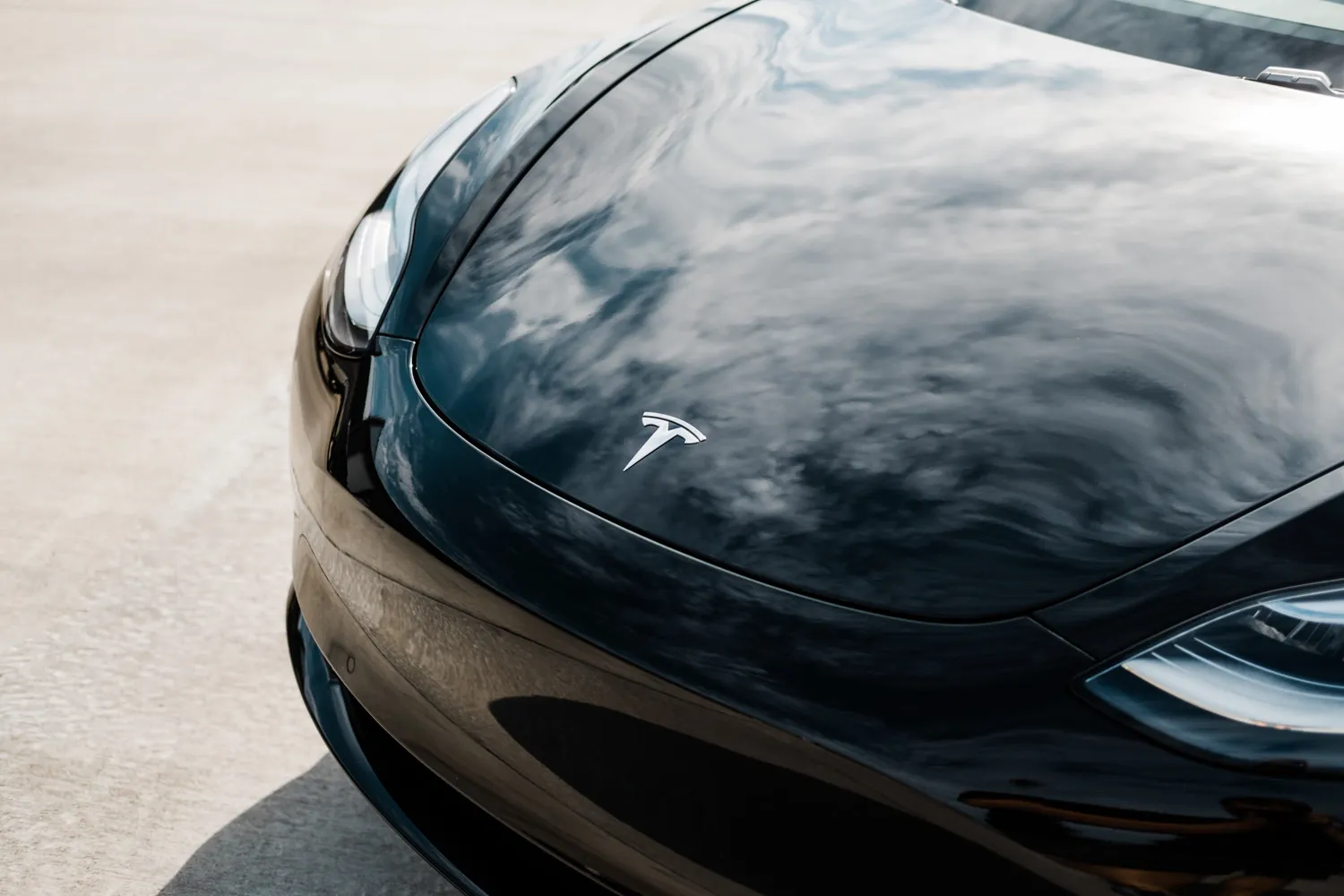
Tesla owners from Apollo, PA and Vandergrift, PA can also schedule tint installation with Ceramic Pro Indiana County.
Tesla vehicles use large areas of glass, and many owners want window film for heat rejection, glare reduction, UV protection, and appearance.
Ceramic film is well suited to modern connected vehicles because it does not depend on a metallic layer.
Our dedicated Tesla Window Tinting page covers tint options for Tesla owners.
Tesla drivers can also pair window tint with:
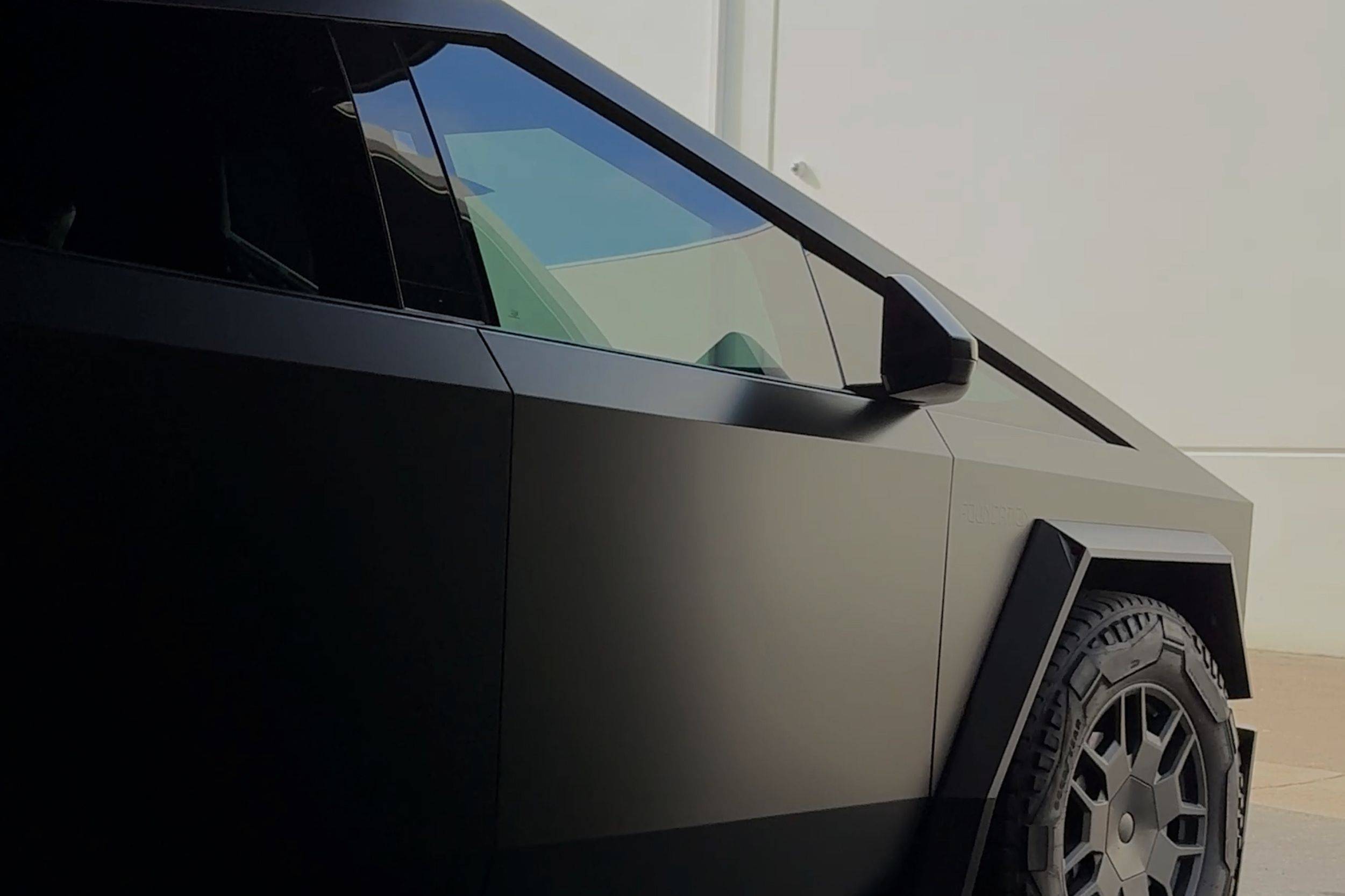
Cybertruck owners can visit our Tesla Cybertruck Window Tint page.
If you own a Tesla and are comparing Window Tinting in Apollo & Vandergrift, PA, tell us whether your goal is heat reduction, a darker appearance, glare control, or a mix of all three.
Pennsylvania regulates vehicle window tint by total light transmittance.
PennDOT’s April 2025 Vehicle Window Tint Fact Sheet states that a 70% minimum means 70% of the light contacting the window must pass through it.
For 1998 and newer passenger cars, PennDOT lists:
| Window | Minimum Total Light Transmittance |
|---|---|
| Windshield | 70% |
| Front side windows and wings | 70% |
| Rear side windows and wings | 70% |
| Rear window | 70% |
For trucks and multipurpose passenger vehicles, PennDOT lists:
| Window | Minimum Total Light Transmittance |
|---|---|
| Windshield | 70% |
| Front side windows and wings | 70% |
| Rear side windows and wings | No requirement listed |
| Rear window | No requirement listed |
PennDOT notes that, for its fact sheet, a multipurpose passenger vehicle is a vehicle built on a truck chassis or designed for occasional off-road use.
Pennsylvania also permits certain transparent material along the top edge of a windshield as long as it stays outside the AS-1 area and does not extend more than three inches down from the top.
Medical exemptions are available through PennDOT for colorless window tint products that filter incoming ultraviolet light.
The rules are worth checking before selecting Window Tinting in Apollo & Vandergrift, PA because a shade that works for one vehicle category may not fit another.
The film itself is only part of a window tint job.
The glass has to be prepared before installation. Dust, debris, contamination, edges, seals, curved glass, and moving windows all have to be handled carefully.
The installer also needs to work around the design of the vehicle.
Modern vehicles may include:
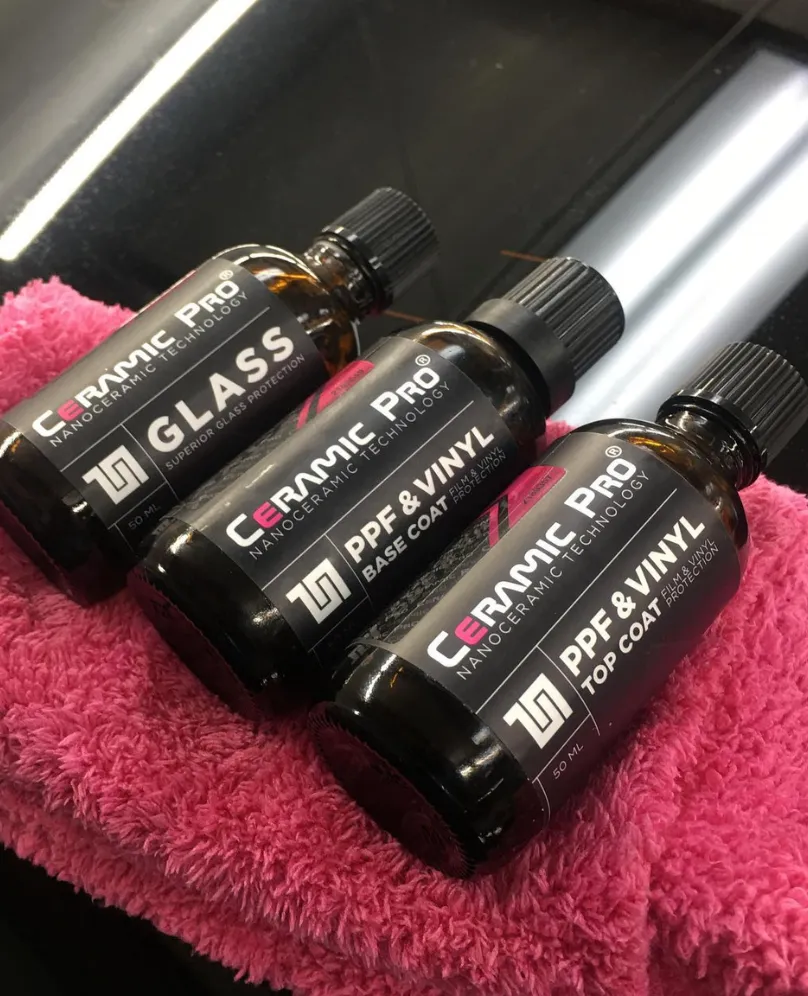
Ceramic Pro Indiana County is a Ceramic Pro certified Elite Dealer and vendor. We install Ceramic Pro products backed by applicable manufacturer warranties.
Our business information lists more than 220 reviews with a 5-star rating.
When drivers from Apollo, PA and Vandergrift, PA visit our shop, we can discuss the film choices based on the vehicle and what the owner wants from the tint.
Window tint handles the glass, but many vehicle owners want protection for painted and exposed exterior surfaces too.
Ceramic Pro Indiana County provides several services that can be paired with Window Tinting in Apollo & Vandergrift, PA.
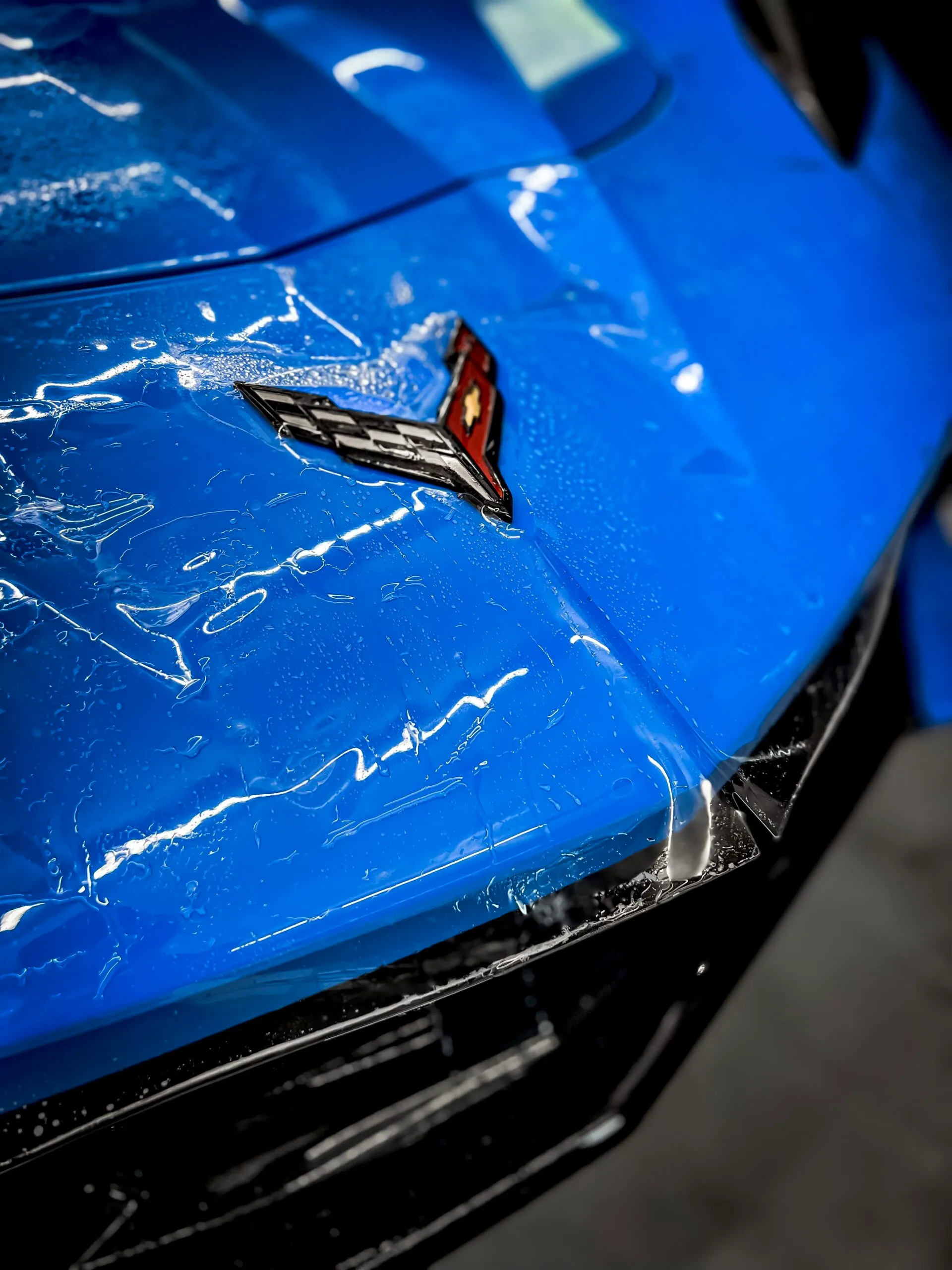
Paint Protection Film places a transparent protective film over painted areas that commonly face road debris, chips, scratches, and wear.
Drivers can also view our Ceramic Pro Paint Protection Film page to learn about Ceramic Pro PPF choices.
Ceramic Coating creates a bonded protective layer over vehicle surfaces.
Window tint and ceramic coating address different parts of the vehicle. Tint is installed on glass, while ceramic coatings can be used to protect painted and other compatible surfaces.
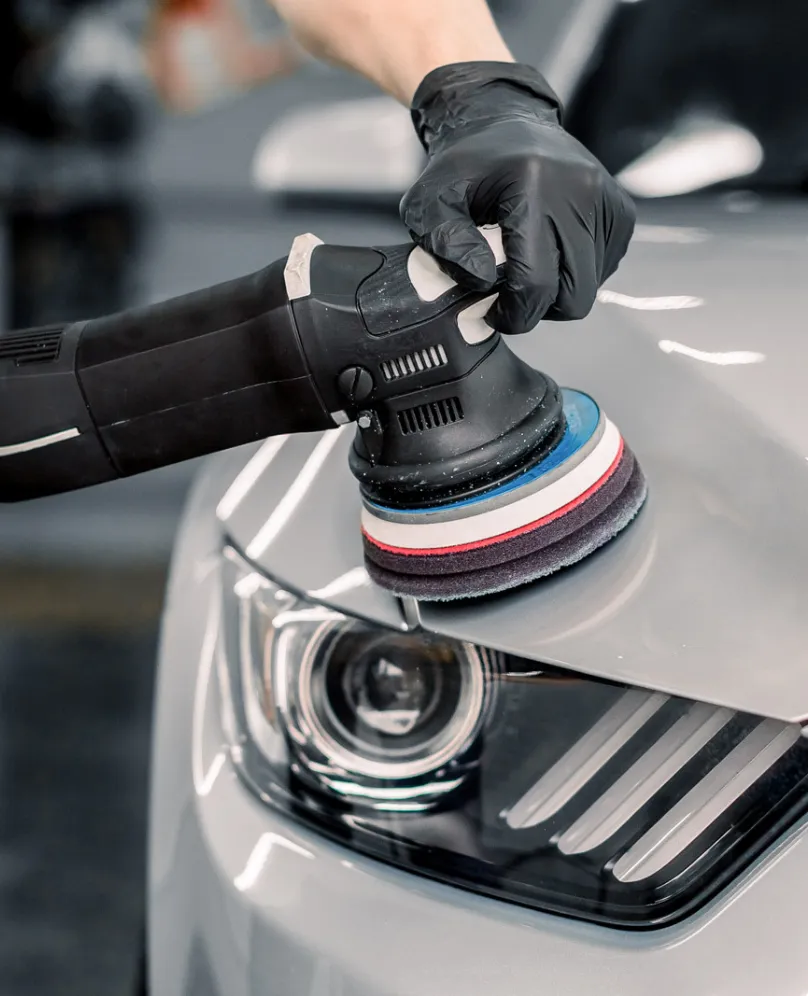
If the paint already has visible swirls or defects, Paint Correction may be worth discussing before a coating is applied.
Drivers who want to change the appearance of their paint while adding film protection can also look at Color PPF.
Our Ceramic Pro Windshield Protection Film service is separate from window tint. It is made to protect windshield glass from road hazards rather than darken the windshield.
These services can be discussed when you call, so you can decide what fits your vehicle and goals.
Apollo, PA drivers looking for Ceramic Pro window tint can visit our shop in Josephine, PA.
Whether you own a commuter car, weekend vehicle, pickup, SUV, or Tesla, the first decision is what you want the film to accomplish.
Do you want a darker appearance?
Do you want strong heat rejection?
Are you trying to reduce glare?
Do you want a lighter ceramic film with high infrared rejection?
Those answers make it much easier to narrow down the Ceramic Pro film line.
For Apollo, PA drivers, Carbon X, Ceramic IR, and Ultimate IR offer different ways to balance appearance and solar control.
Drivers from Vandergrift, PA can use the same approach.
Vandergrift is a borough in Westmoreland County, and its municipal building is located at 109 Grant Avenue. Drivers in and around the borough have access to regional roads connecting them with surrounding western Pennsylvania communities.
For someone researching Window Tinting in Vandergrift, PA, there is no need to choose a film from darkness alone.
A carbon film may fit an owner who wants a dark, color-stable appearance and good solar control.
Ceramic IR may fit someone who puts more weight on infrared heat rejection.
Ultimate IR may fit someone seeking Ceramic Pro’s highest infrared-rejection film, including drivers who prefer a lighter look.
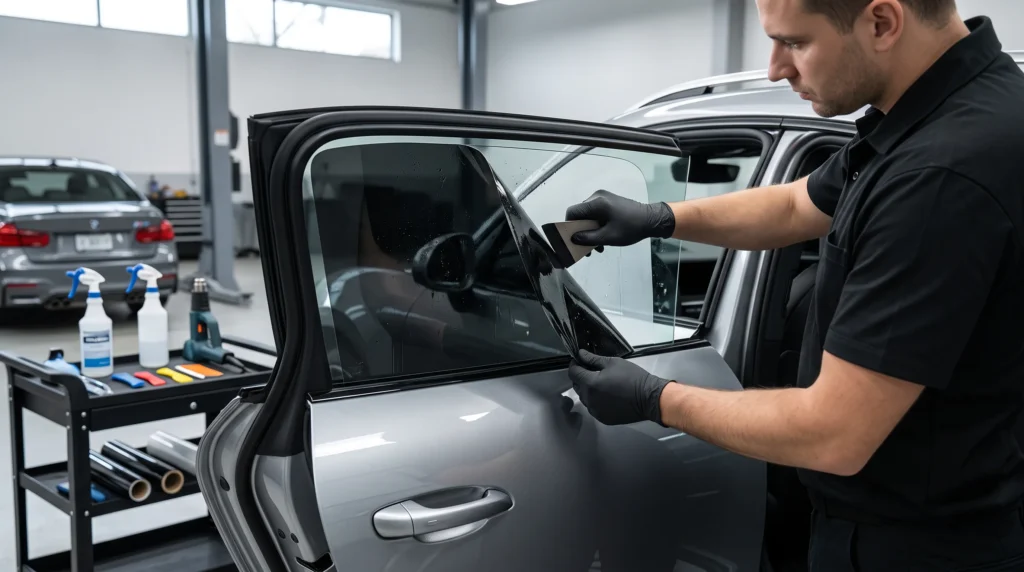
The vehicle and its factory glass still need to be considered before choosing VLT.
Window Tinting in Apollo & Vandergrift, PA starts with choosing what you want from the film.
If appearance leads your list, compare shades and film color.
If cabin heat bothers you most, compare infrared rejection.
If UV exposure is the concern, review the UV-blocking specifications.
If you want high heat rejection without very dark glass, ask about ceramic film choices such as Ceramic IR and Ultimate IR.
Ceramic Pro Indiana County is located at:
7515 US-119 S Josephine, PA 15750
Our hours are Monday through Friday, 10 AM to 8 PM.
Call (724) 487-5404 to discuss Ceramic Pro window tint for your car, truck, SUV, or Tesla.
You can also contact Ceramic Pro Indiana County to request an appointment.
Bottom line, good window tint should match your vehicle, your preferred appearance, your heat-control goals, and Pennsylvania rules. Our team can help you compare Ceramic Pro films before your installation.
Ceramic Pro Indiana County provides Ceramic Pro window tint for drivers from Apollo, PA, Vandergrift, PA, and surrounding communities. Our shop is located at 7515 US-119 S in Josephine, PA. Call (724) 487-5404 or use our contact page to schedule.
Carbon tint uses carbon-based material to control visible light, glare, UV rays, and some infrared heat. Ceramic tint uses ceramic technology aimed at stronger solar and infrared control. Ceramic Pro offers Carbon X, Ceramic IR, and Ultimate IR so drivers can choose based on their preferred mix of appearance and heat rejection.
Not necessarily. VLT measures visible light transmission, while infrared rejection deals with another part of solar energy. A lighter ceramic film can reject more infrared heat than some darker films. Compare heat-rejection figures along with VLT when choosing Window Tinting in Apollo & Vandergrift, PA.
Ceramic Pro states that Carbon X filters up to 70% of infrared heat, Ceramic IR filters up to 96%, and Ultimate IR can block up to 99% of infrared radiation. Exact performance depends on the film selected.
Yes. Factory privacy glass can receive aftermarket window film. Some owners add film to increase solar control or change the finished appearance. Pennsylvania’s window tint rules and the finished VLT need to be considered before choosing a film.
Yes. We offer Tesla Window Tinting along with Tesla PPF, ceramic coating, paint correction, vinyl wrap, and Cybertruck window tint services. Drivers from Apollo, PA and Vandergrift, PA can call (724) 487-5404 to discuss their Tesla.
Start with what you want the tint to do. Carbon X is worth comparing when you want carbon construction, UV protection, glare reduction, and heat control. Ceramic IR puts more weight on infrared rejection. Ultimate IR is Ceramic Pro’s highest-performing infrared-rejection film. The final choice should also account for factory glass, vehicle type, desired VLT, and Pennsylvania rules.
At Ceramic Pro Indiana County, we offer a full range of auto protection services to keep your car looking its best—and staying protected for the long haul. From scratch-resistant film and gloss-enhancing coatings to UV-blocking window tint, we’re your certified local experts.
Explore the many services we offer by clicking the boxes below